
Key Facts
- Perennial wildflower with snapdragon-like yellow flowers.
- Flowers typically have an orange throat or spot.
- Spreads by seed and by creeping roots or root fragments.
- Naturalized and sometimes invasive in disturbed sites and pastures.
- Tolerates poor, dry, or sandy soils and open sunny sites.
- Attracts bees and other pollinators.
- Flowers mainly in summer into early fall.
- Can form dense colonies that crowd out desired plants.
- Propagates readily from seed.
Toadflax (Linaria vulgaris) is a perennial wildflower with snapdragon like yellow flowers often marked by an orange throat. It suits sunny, well drained sites and readily spreads by seed and creeping roots so it works for naturalized borders but can crowd out smaller plants.
Identification
Flowers resemble small snapdragons and are yellow with a darker orange throat most seasons. Plants typically reach about 8 to 24 inches tall and form loose clumps that can expand into colonies. Bloom time in temperate regions runs from summer into early fall with multiple stems bearing tubular flowers.
Where to grow and best uses
Toadflax does well in full sun to part shade and tolerates poor, dry or sandy soils as long as drainage is good. Use it for naturalized meadows, pollinator patches or dry slopes where tough perennials are needed. Expect it to spread so avoid planting where it could smother low growing ornamental plants.
Planting and spacing
Space plants roughly 12 to 24 inches apart to allow for natural clump spread and to reduce immediate crowding. Establish transplants or sow seed in a season that fits local climate and soil warming patterns so seedlings get a full season to root before winter. Adjust spacing where you want tighter cover or containment.
Watering and soil
Choose well drained soils and avoid waterlogged sites because poor drainage reduces vigor and raises the risk of crown rot. In dry, sunny locations plants remain compact and flower well. In richer, wetter soil plants grow taller and may flop while producing fewer blooms.
After flowering care
Remove spent flower spikes to reduce self seeding and mow or cut plants back if they become leggy. For a cleaner stand cut stems to the crown after flowering and monitor the area for seedlings the following season. Regular removal of seed heads helps limit expansion into adjacent beds.
Controlling spread and naturalizing
Toadflax spreads by seed and by creeping roots so control requires removing root fragments and preventing seed set. Digging up colonies works best when done carefully to lift and remove as much rootstock as possible. Persistent patches need repeated removal of new shoots and seed heads over more than one season.
Propagation
Propagate by seed or division and expect plants to self sow readily. Dividing clumps or lifting root fragments will produce new plants so take care when cultivating near colonies. Use divisions to establish plants in new areas while removing extra root pieces to prevent unintended spread.
Frequently asked questions
- How fast does Toadflax grow?
- It can spread rapidly within a season by seed and by creeping roots with new colonies appearing from root fragments and self sown seedlings.
- Is Toadflax invasive?
- It is naturalized and sometimes invasive in disturbed sites and pastures and can form dense colonies that crowd out desired plants.
- What conditions does Toadflax prefer?
- Full sun to part shade and well drained, poor to sandy soils. Plants perform best in sunny, dry locations rather than waterlogged ground.
- When does Toadflax bloom?
- Bloom period in temperate northern hemisphere locations is summer to early fall roughly June through September.
- How tall does Toadflax get?
- Typical height ranges from about 8 to 24 inches depending on site fertility and moisture.
Related Plants


Mentioned In (1)
Plants
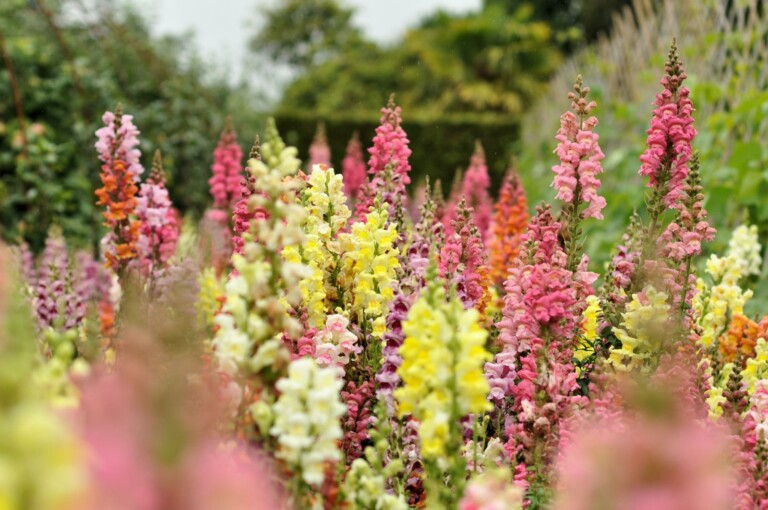
9 Plants That Look Like Snapdragons
Snapdragons have been a staple in cottage gardens for centuries. They are excellent plants for filling in color in a…