
Key Facts
- Evergreen shrub or small tree grown commercially and in gardens for its leaves.
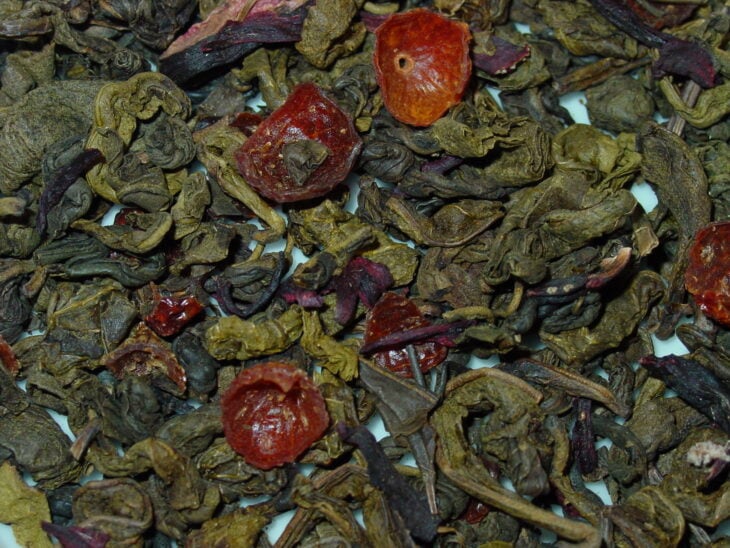
- Leaves are processed to make green black and oolong teas.
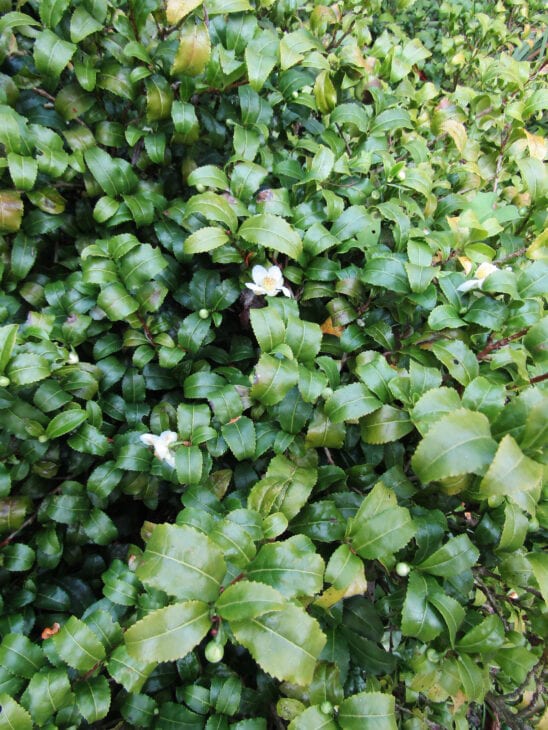
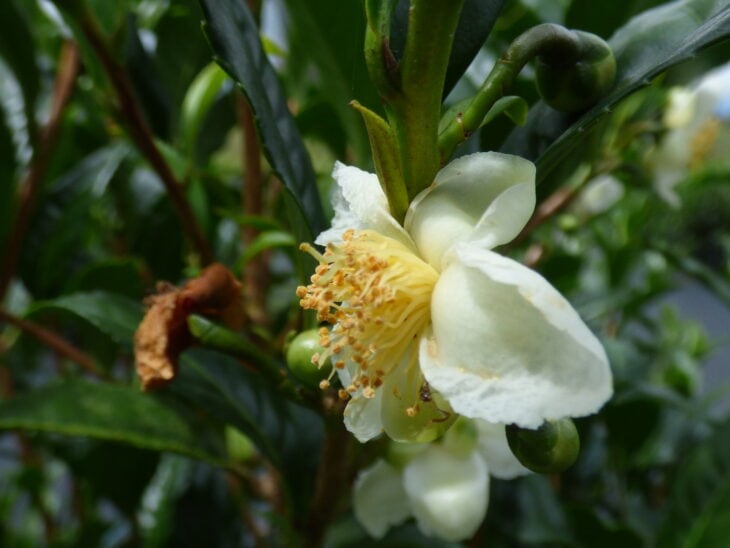
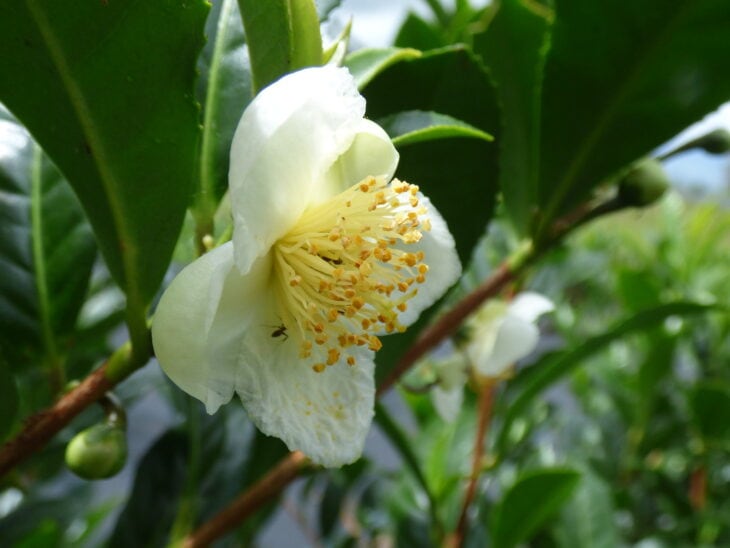
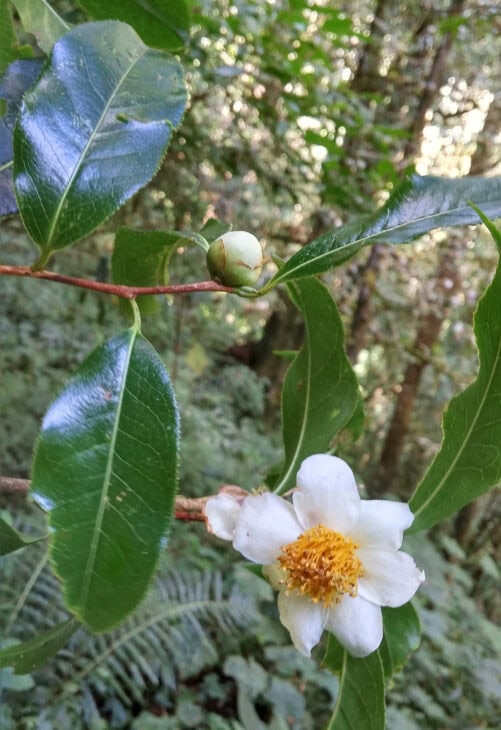
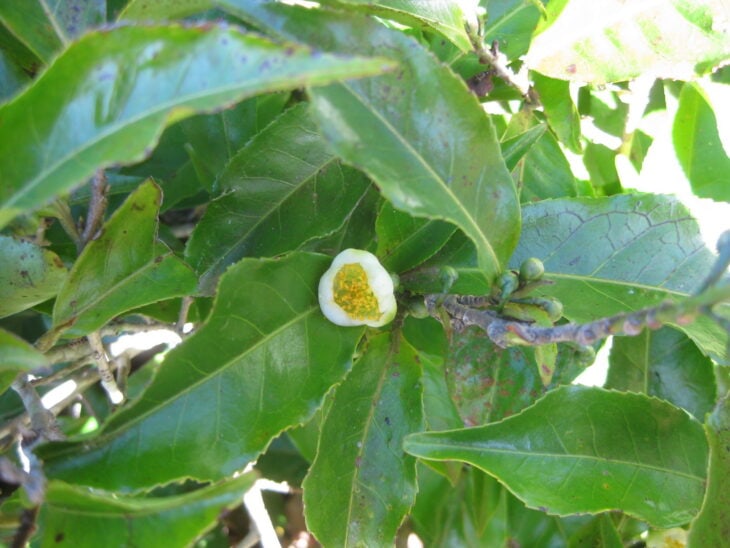
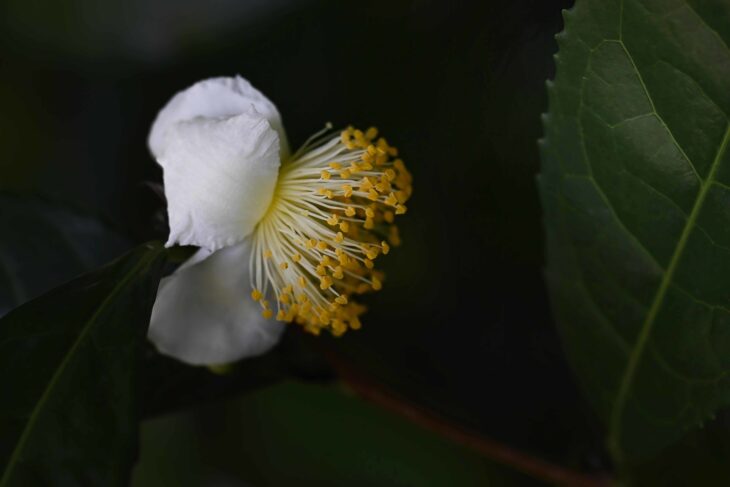
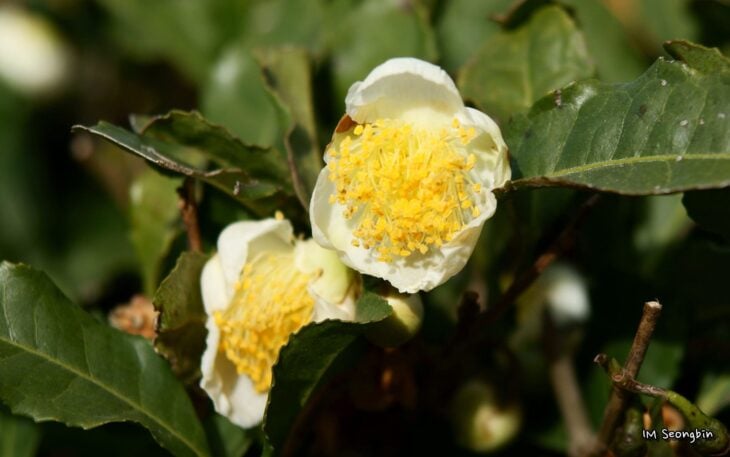
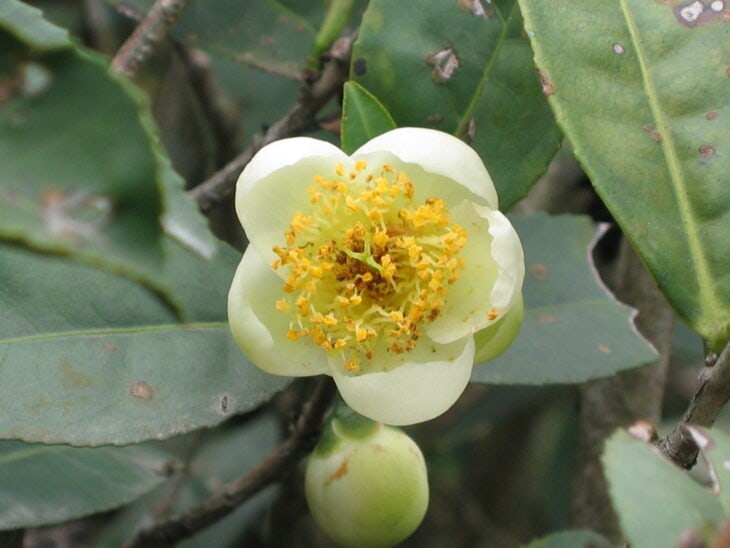
- Small white fragrant flowers appear on woody stems.
- Prefers acidic humus rich soil with consistent moisture and good drainage.
- Does best with morning sun and protection from hot afternoon sun in warm climates.
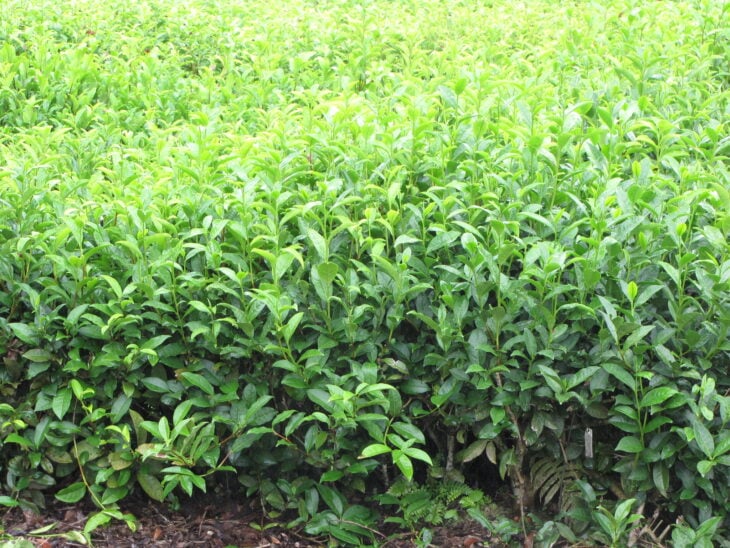
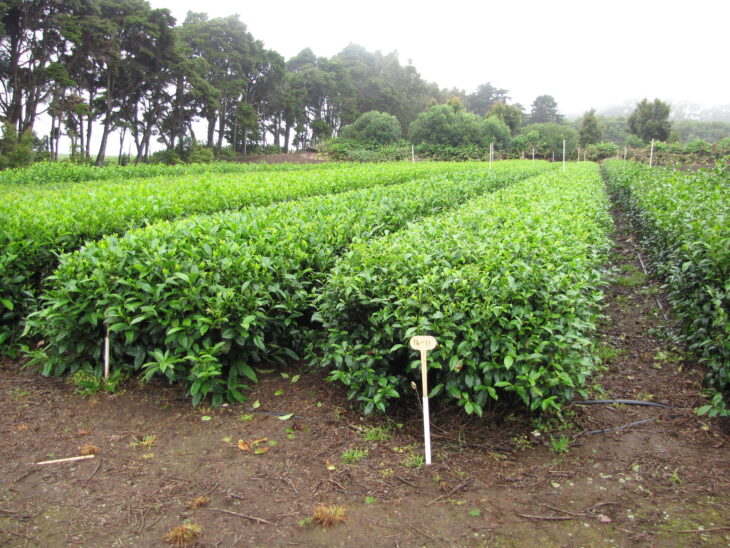
- Often kept pruned as a hedge or low bush for easy leaf harvest.
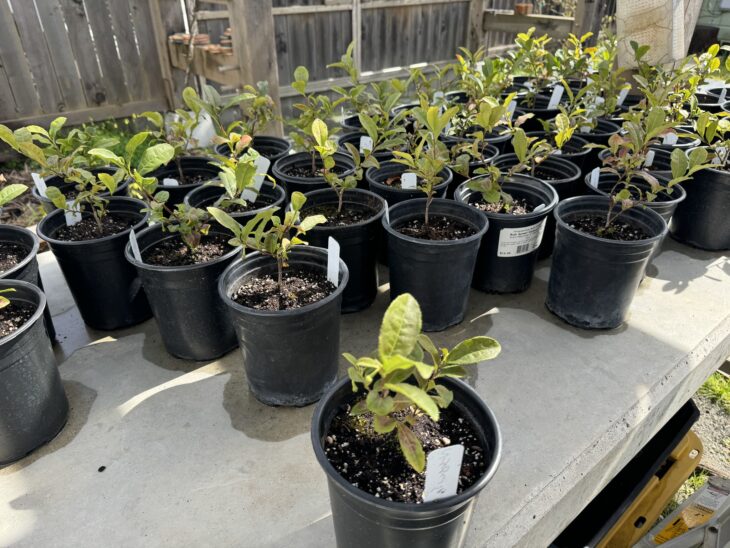
- Propagated by seed semi-ripe cuttings layering and grafting for named cultivars.
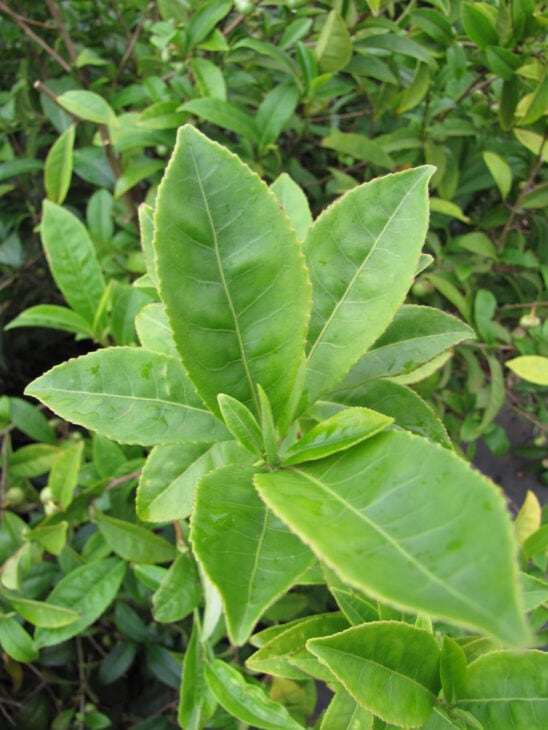
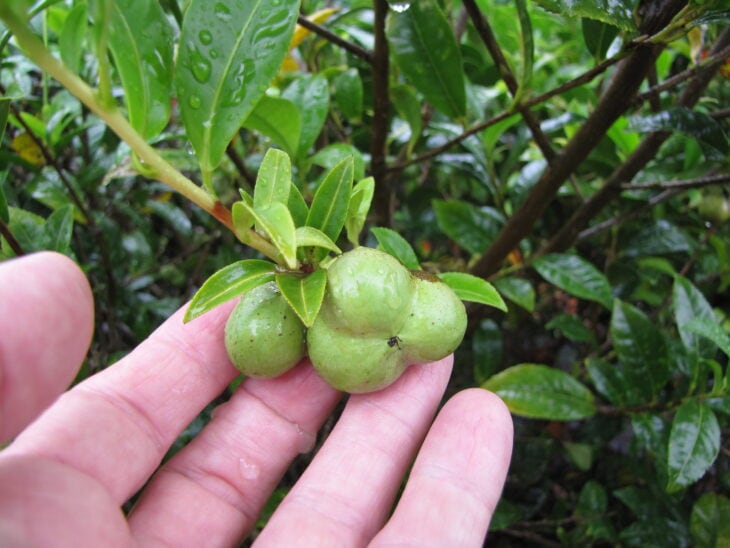
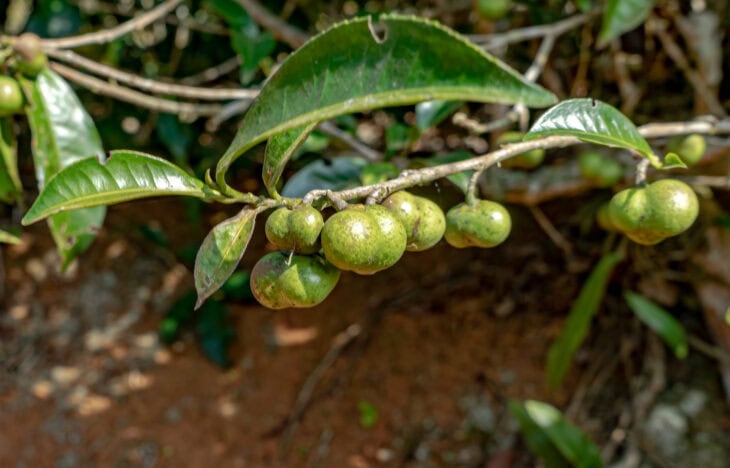
Tea Camellia (Camellia sinensis) is the species grown for tea leaves and is treated as an evergreen shrub in gardens. It produces glossy evergreen foliage and small white fragrant flowers on woody stems while being pruned for easy harvest.
Identification
Camellia sinensis is an evergreen shrub or small tree valued for its leaves rather than showy flowers. Leaves are glossy and used to make green black and oolong teas. Plants are often kept 3–6 ft tall for harvest but can reach 10–15 ft if left unpruned. Flowers are small and white with a light fragrance.
Best uses and where to grow
Grow Tea Camellia as a harvest shrub or clipped hedge for easy leaf picking, or as a specimen where filtered light is available. It prefers mild temperate sites and is generally hardy in USDA zones 7 to 9 with sheltered spots sometimes successful in colder microclimates. Choose a site with morning sun and afternoon shade in warm areas.
Soil and light
Tea Camellia prefers acidic humus rich soil with pH about 4.5 to 6.5 that holds moisture yet drains well. Poor drainage risks root decline and high pH causes leaf chlorosis. Provide bright filtered light or morning sun with protection from hot afternoon sun in warm climates to avoid leaf scorch and stress.
Planting and spacing
Set plants so the rootball sits level with the soil surface and firm soil around the roots to remove air pockets. When grown for harvest space and prune plants to a 3–6 ft spread for easy picking; allow wider spacing if you plan to leave plants unpruned and form a small tree. Mulch to conserve moisture and maintain acidity.
Watering and feeding
Maintain consistent moisture without waterlogging. Regular moisture supports steady leaf production while poor drainage causes root rot and decline. Add organic matter to improve moisture retention and soil acidity. Watch for yellowing leaves which often indicate alkaline soil or nutrient issues rather than lack of water.
Pruning and after-flowering care
Tea Camellia is commonly pruned lightly and regularly to keep a 3–6 ft harvest height and to encourage the soft new growth used for tea. After flowering remove dead wood and shape the bush, avoiding heavy pruning in late autumn when blooms form. If left unpruned plants will develop into taller, more tree-like forms.
Propagation
Propagate by seed, semi-ripe cuttings, layering and grafting for named cultivars. Cuttings and grafting preserve cultivar traits while seed-grown plants often vary from the parent. Choose propagation method based on whether you need true-to-type plants for consistent leaf characteristics.
Pests, problems and toxicity
Major cultural problems include root decline from poor drainage and leaf chlorosis from alkaline soils. Tea Camellia contains caffeine and tannins; ingestion of large amounts of leaves or brewed tea can be toxic to dogs and cats. For specific pet toxicity doses consult local poison control resources.
Frequently asked questions
- How fast does Tea Camellia grow?
- Growth is moderate and strongly influenced by pruning and site. Plants maintained for harvest are commonly 3–6 ft tall while unpruned specimens can reach 10–15 ft over several years.
- When does Tea Camellia bloom?
- Bloom period is generally autumn to early winter in many climates, though exact timing varies with cultivar and local conditions.
- What soil pH does it need?
- It prefers acidic soil around pH 4.5 to 6.5. High pH often causes yellowing or chlorotic leaves.
- How is it propagated?
- Propagate by seed, semi-ripe cuttings, layering or grafting. Cuttings and grafting preserve named cultivar traits, seed may produce variable offspring.
- Is Tea Camellia safe for pets?
- The plant contains caffeine which can be toxic to dogs and cats in sufficient doses. Consult local poison control for dose-specific guidance.
Gallery
Related Plants
Mentioned In (1)

Plants
The 6 Best Types of Camellia for Your Garden
Few shrubs stop a gardener in their tracks the way a camellia in full bloom can. Glossy dark leaves, perfectly…