
Key Facts
- Evergreen shrub grown for winter and spring flowers.
- A hybrid group derived mainly from Camellia japonica and C. saluenensis.
- Widely used as specimen plants and hedging in mild climates.
- Prefers acidic fertile soil with good drainage.
- Performs best in part shade or dappled sun with protection from hot afternoon sun.
- Propagated by semi ripe cuttings, grafting and layering.
- Most cultivars are winter hardy in milder temperate areas but hardiness varies by cultivar.
Williams Hybrid Camellia (Camellia × williamsii) is an evergreen hybrid shrub prized for late winter to spring flowers and used as a specimen plant or formal hedge where winters are mild. It rewards sheltered sites with reliable bloom but needs acidic, humus rich soil and protection from hot afternoon sun.
Identification
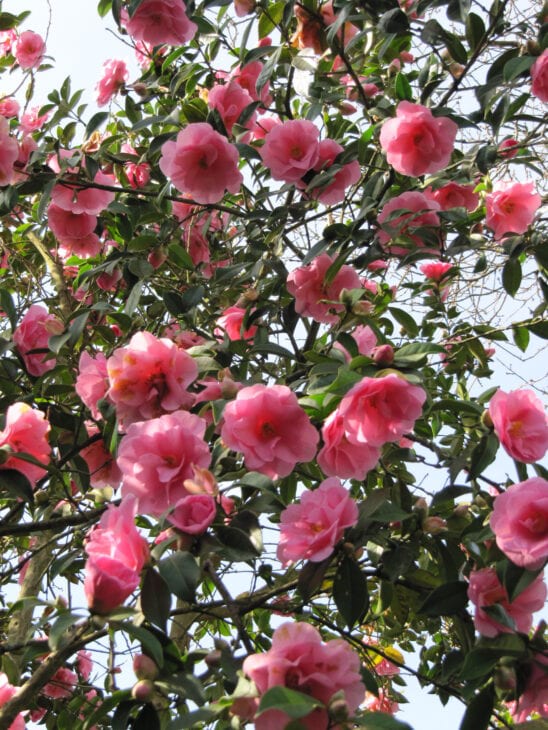
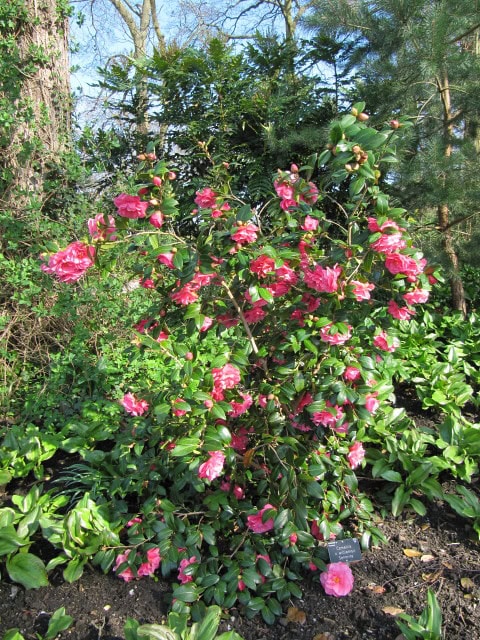
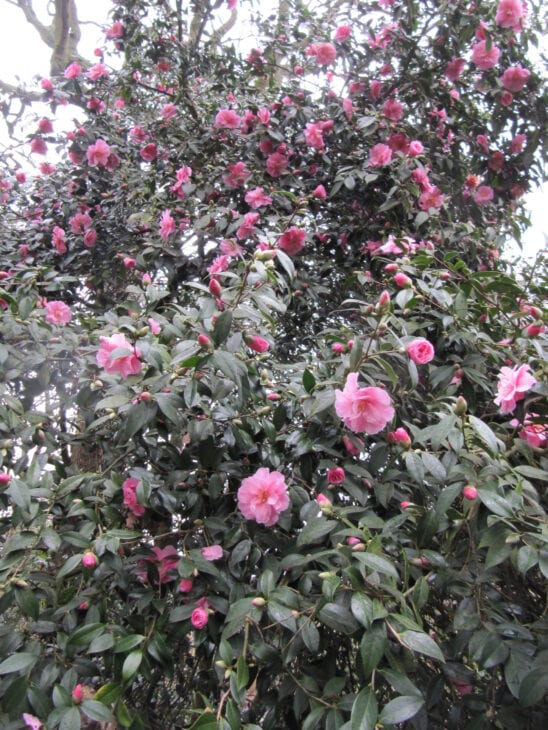
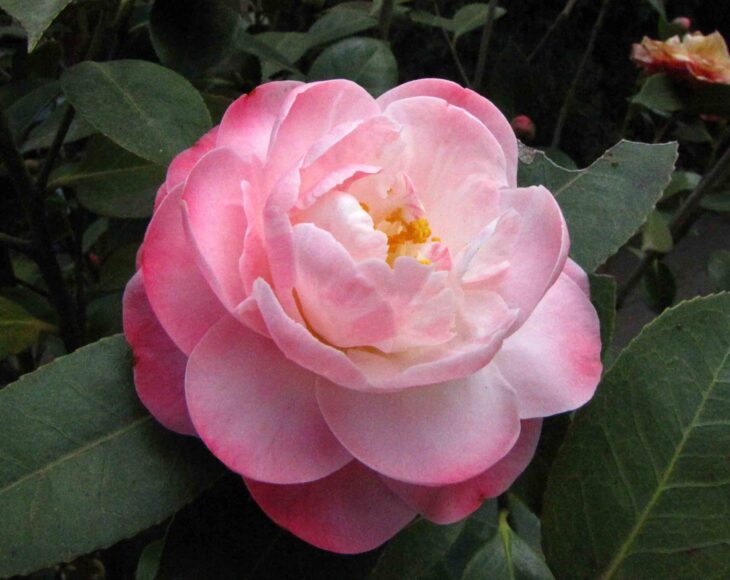
Williams Hybrid Camellias are evergreen shrubs derived mainly from Camellia japonica and C. saluenensis. Cultivar habit varies from compact to spreading and many garden selections reach roughly 4 to 10 feet tall with a similar spread. Flower type and size depend on the named cultivar.
Best uses and where to grow
Use as a single specimen, mixed shrub border or formal hedge in mild temperate gardens. They perform best in sheltered positions with morning sun and afternoon shade. In colder sites choose a hardier cultivar or provide winter protection because hardiness differs among selections.
Soil and light
Grow in acidic fertile soil that is well drained and rich in organic matter. Preferred soil pH is roughly 5.5 to 6.5. Morning sun with afternoon shade or dappled light gives the best balance of leaf health and flower production. Avoid waterlogged soil and strong hot sun.
Planting and spacing
Plant at the same soil level as the nursery rootball into a planting hole amended with organic matter if drainage is poor. Space plants according to mature spread which typically runs 4 to 8 feet depending on cultivar and pruning. Closer spacing can be used for a dense hedge and wider for single specimens.
Watering and ongoing care
Keep soil evenly moist but never waterlogged. Poor drainage or standing wet soil reduces flowering and causes chlorosis and poor growth. Mulch to conserve moisture and keep roots cool and avoid heavy summer sun and strong winds that stress the plant.
After flowering and pruning
Light pruning after flowering maintains shape and prevents excessive spread. Remove dead or crossing branches to improve air circulation. Major size control should be done conservatively because heavy pruning reduces next season’s buds and can delay flowering.
Propagation
Named Williams hybrids are commonly propagated by semi ripe cuttings or by grafting to retain cultivar traits. Layering and seed are also possible but seed raised plants may not be true to the parent. Timing and exact technique depend on local season and cultivar.
Pests and safety
Plant resilience and pest pressure vary by region and cultivar. Monitor for leaf yellowing and reduced flowering which often indicate soil pH or drainage problems. Camellias are generally considered non toxic to dogs and cats but contact local poison control if ingestion symptoms occur.
Frequently asked questions
- How fast does Williams Hybrid Camellia grow?
- Growth is moderate and cultivar dependent. Many selections reach roughly 4 to 10 feet tall over several years with final size shaped by cultivar choice and pruning.
- Are Williams Hybrid Camellias cold hardy?
- Many Williams hybrids are typically grown in USDA zones 6 to 9 but hardiness varies by cultivar and microclimate so confirm the specific selection for your site.
- When do they bloom?
- They flower from late winter into spring. Exact months vary with local climate and cultivar so expect a seasonal window rather than fixed calendar dates.
- How should I propagate a named cultivar?
- Use semi ripe cuttings or grafting to preserve the cultivar. Layering and seed are options but seed raised plants may not be true to the parent.
- Are Williams Hybrid Camellias safe for pets?
- Camellias are generally not known to be toxic to dogs and cats. If a pet shows symptoms after eating plant material contact local poison control for advice.
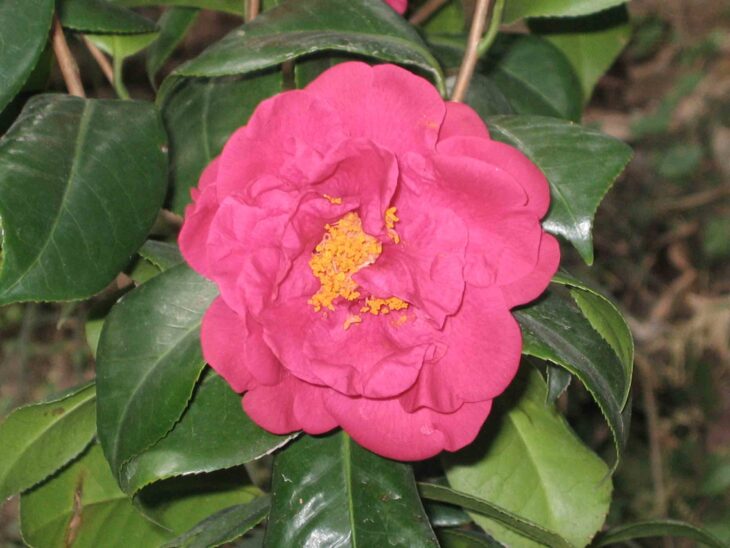
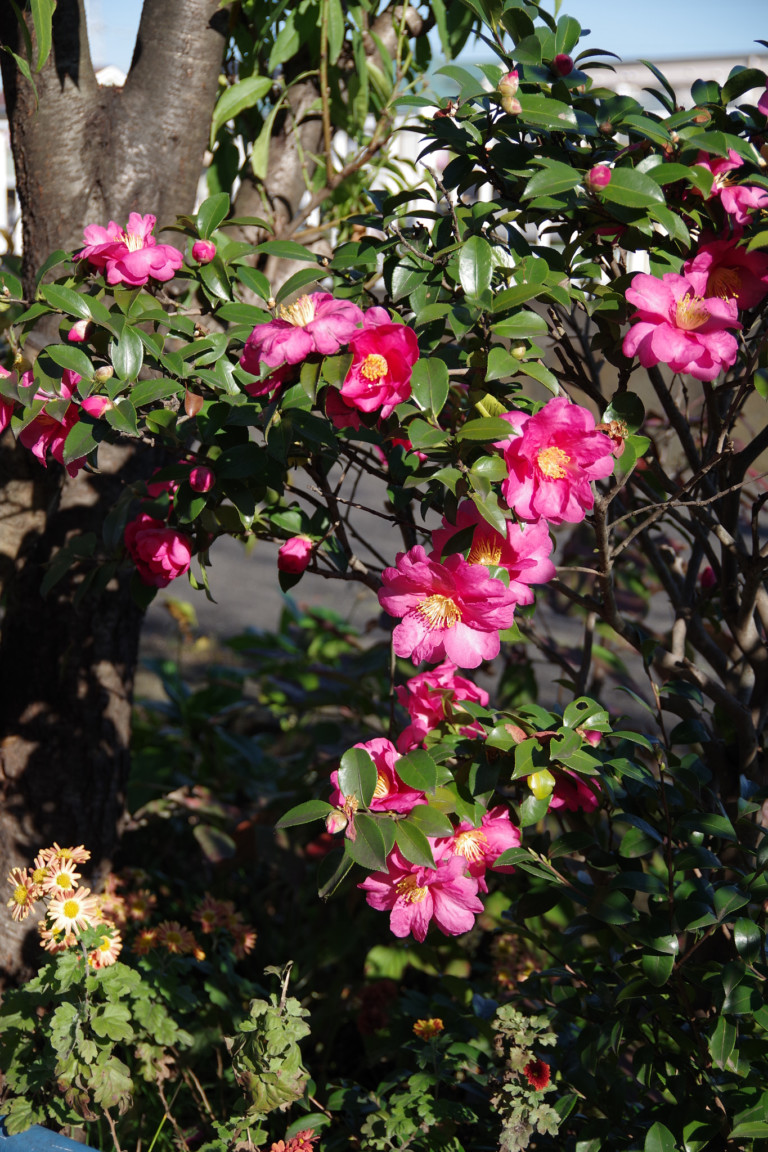
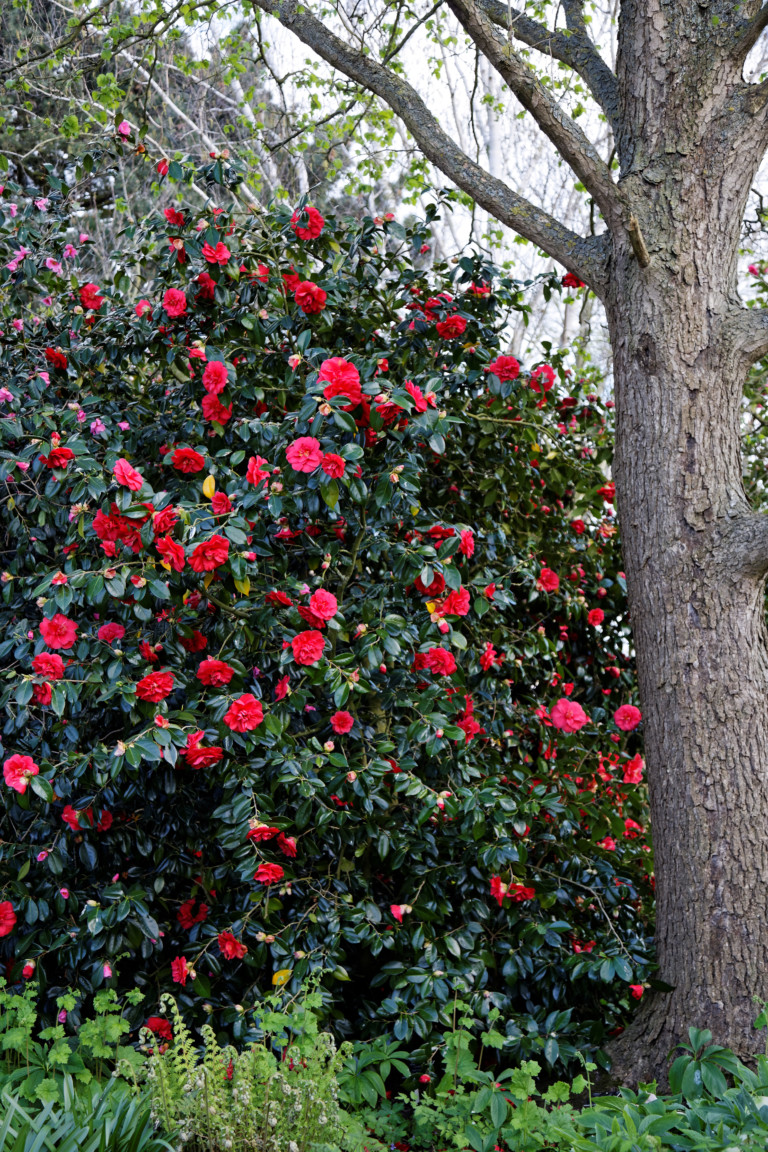
Gallery
Related Plants
Mentioned In (1)

Plants
The 6 Best Types of Camellia for Your Garden
Few shrubs stop a gardener in their tracks the way a camellia in full bloom can. Glossy dark leaves, perfectly…