
Key Facts
- Native coastal and montane conifer of the Pacific Northwest.
- Evergreen tree with a narrow to broadly conical crown.
- Very shade tolerant and an important forest understory species.
- Prefers cool moist, acidic soils and does not tolerate prolonged drought.
- Used for timber, restoration and woodland plantings.
- Produces small pendant cones rather than showy flowers.
- Shallow root system can make it sensitive to windthrow on exposed sites.
Western Hemlock is a shade tolerant evergreen conifer native to the Pacific Northwest, commonly used in woodland plantings and restoration. It prefers cool moist acidic soils and is recognizable by its narrow to broadly conical crown and small pendant cones.
Identification
Evergreen needles and small pendant cones distinguish Western Hemlock from broadleaf trees. Crown form ranges from narrow in forest stands to broad on open sites. Expect a shallow root system that can make mature trees vulnerable to windthrow on exposed locations.
Best uses and where to grow
Use Western Hemlock for woodland screens, restoration projects and shaded timber plantings where soils stay cool and moist. It performs best in partial to full shade and is an important understory species in coastal and montane Pacific Northwest forests. Reported hardiness commonly falls between USDA zones 5 and 8, varying by provenance and site moisture.
Planting season and site preparation
Choose a site with cool, moisture-retentive acidic soil and good organic matter. Planting timing varies with climate; aim to establish transplants when soils are workable and moisture is available. Avoid hot, dry, compacted or strongly alkaline sites that cause poor establishment and stress.
Watering and routine care
Keep soils consistently moist while seedlings establish and through dry periods. Western Hemlock does not tolerate prolonged drought so supplemental watering helps maintain health in warmer or exposed sites. Mulch helps retain moisture and moderate soil temperatures but avoid burying the base of the trunk.
After cone season and pruning
Western Hemlock produces inconspicuous male and female cones rather than showy flowers. Minimal pruning is required; remove dead or crossing branches and preserve natural form. Take care with root disturbance due to the shallow root system when pruning or working beneath the canopy.
Controlling spread and wind risk
Crown spread varies widely with light and spacing, often several meters at maturity. Allow room for a multi-meter crown and avoid planting on exposed ridges or shallow soils where windthrow is likely. Remove competing vegetation carefully to reduce root disturbance around established trees.
Propagation
Propagate Western Hemlock from fresh seed with cold stratification and by vegetative methods such as semi-hardwood cuttings or layering in nursery conditions. Exact stratification periods and cutting techniques vary, so follow local nursery protocols for best germination and rooting success.
Frequently asked questions
- How fast does Western Hemlock grow?
- Growth rate varies with site and provenance. It can be moderate to fast on cool moist sites and slower under drought or heat stress. In favorable native stands trees attain very large sizes over decades.
- How large does Western Hemlock get?
- In native forest stands trees can reach very large sizes; in cultivation expect mature heights measured in the tens of meters. Crown spread commonly ranges from about 3 to 15 meters depending on light and spacing.
- Is Western Hemlock drought tolerant?
- No. It prefers cool moist, acidic soils and does not tolerate prolonged drought. Provide consistent moisture and avoid hot dry planting sites for long-term success.
- Are the cones showy?
- No. Reproductive structures are small pendant cones rather than conspicuous flowers, with cone development typically occurring in spring to early summer in its native range.
- Is Western Hemlock safe for pets and children?
- Authoritative toxicity records are not definitive. Check local poison control or veterinary sources for guidance before assuming safety around pets or small children.
Related Plants


Mentioned In (3)
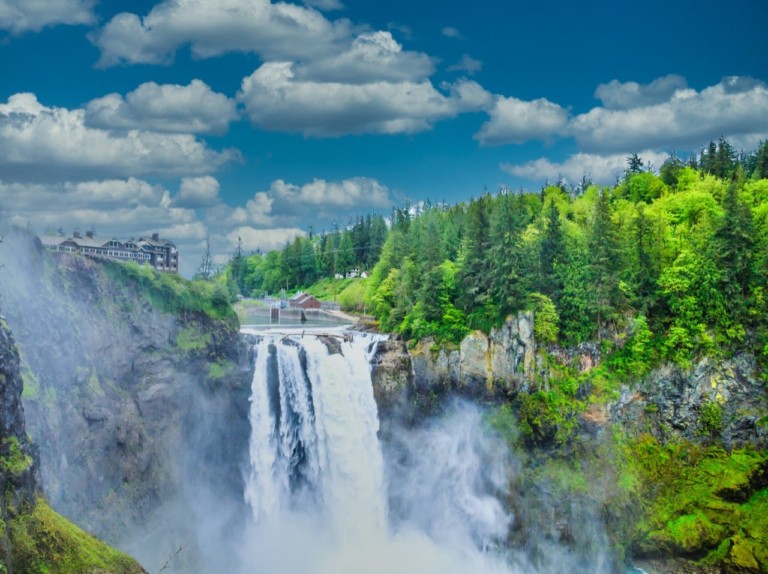
Trees
18 Evergreen trees in Washington state
The Evergreen State is home to many different types of evergreen trees. In this blog post, we will discuss the…
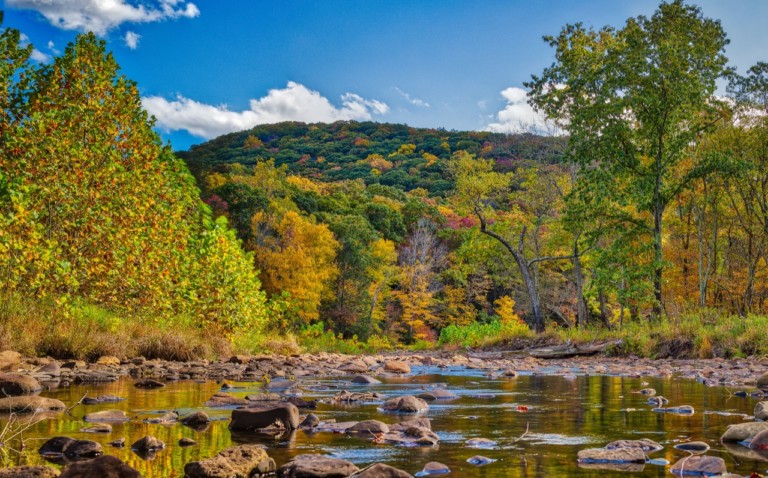
Trees
25 Most Common Trees in West Virginia
West Virginia's ecology and wildlife benefit from vegetation. Pollutants are filtered away by vegetation, which also helps to prevent erosion.…
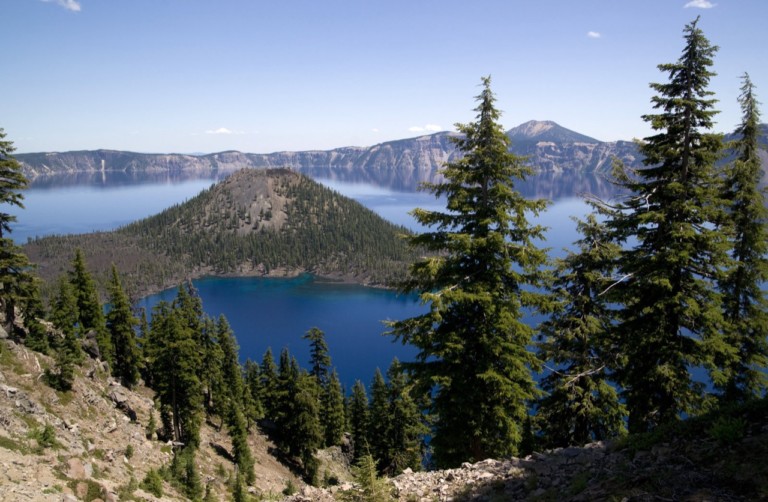
Trees
15 Most Common Trees in Oregon
With partly rainforest and partly mountainous landscape, Oregon is home to a diverse array of trees, as is typical of…