
Key Facts
- Evergreen shrub with glossy dark green leaves.
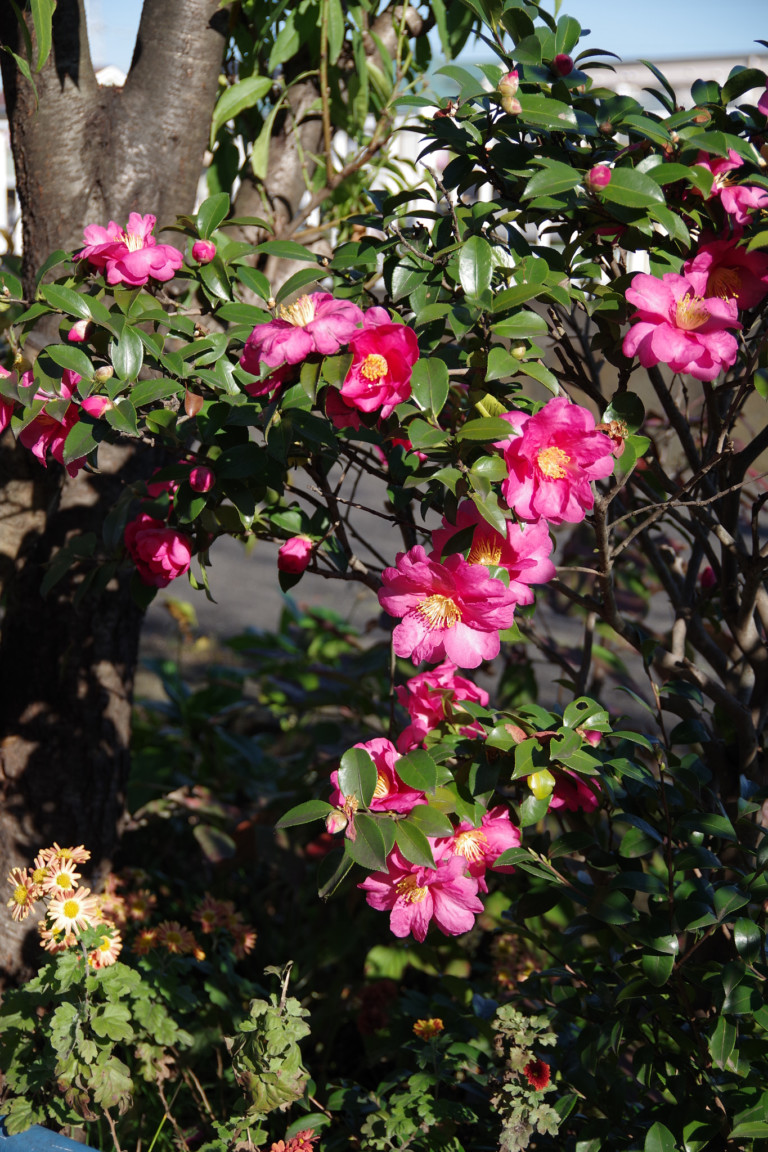
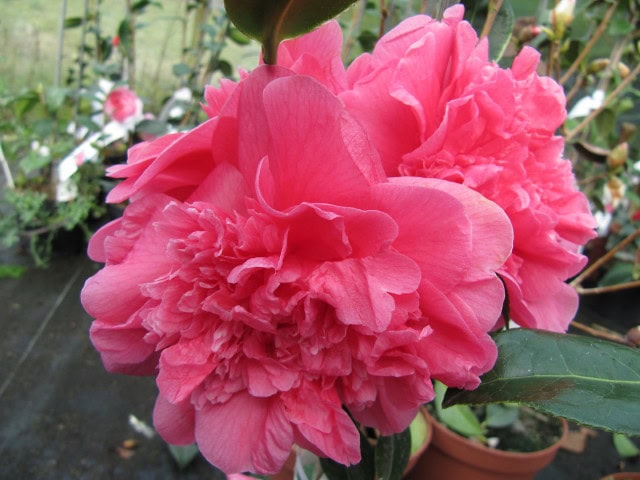
- Blooms in the colder months with showy single or semi-double flowers.
- Prefers acidic, humus rich, well drained soil.
- Does best in partial shade or filtered sun and a sheltered site.
- Propagation by semi ripe cuttings layering or seed.
- Used as specimen plants informal hedges and in containers.
- Slow to moderate growth rate depending on cultivar and conditions.
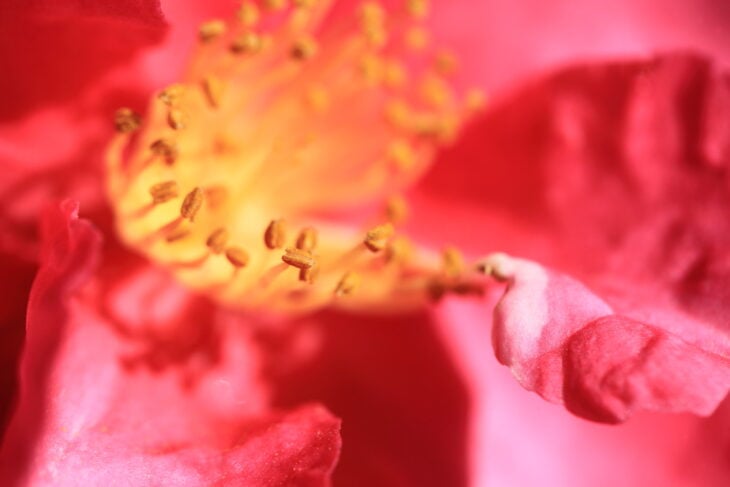
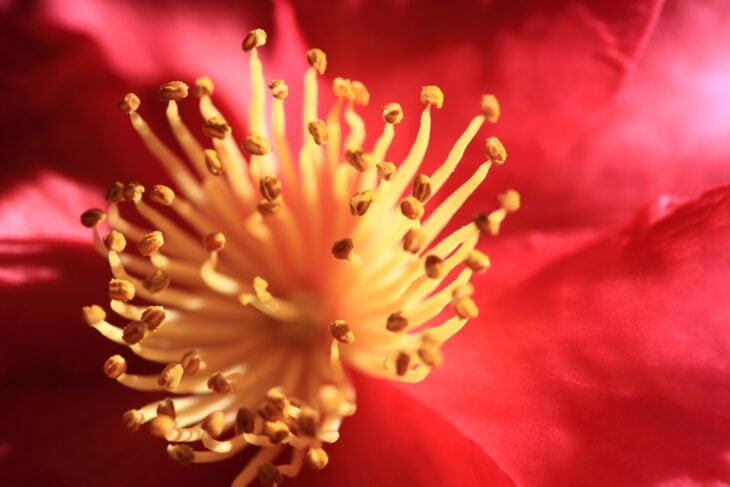
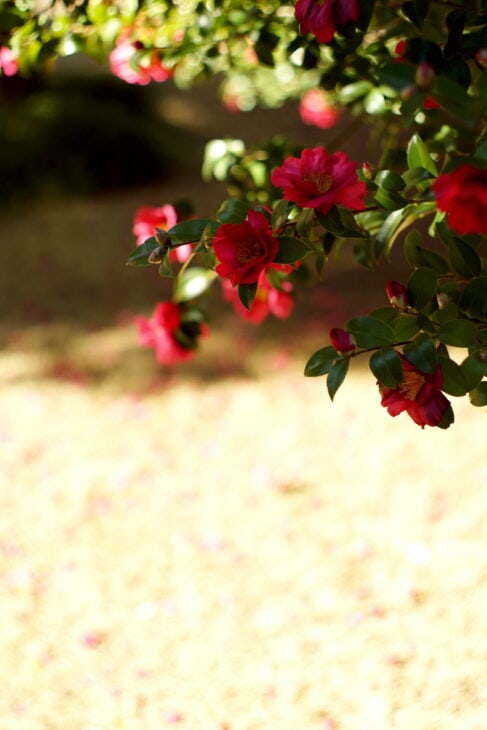
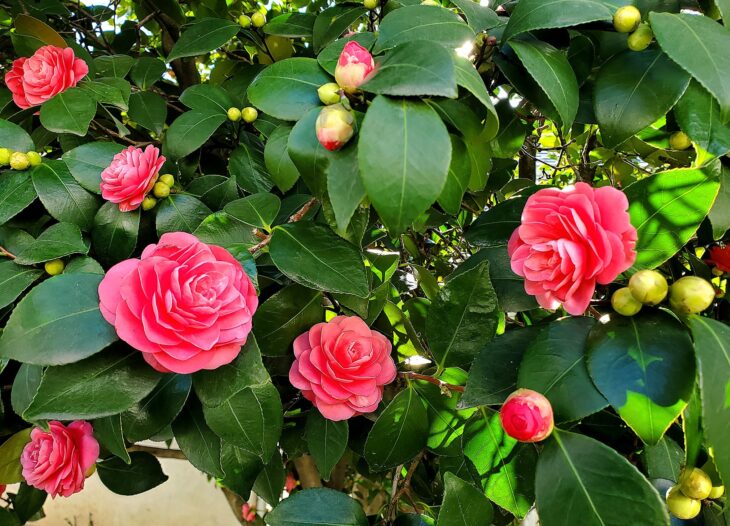
Winter Camellia (Camellia hiemalis) is an evergreen shrub prized for glossy dark foliage and showy single or semi-double flowers that open in the colder months. It makes an elegant specimen or sheltered hedge where acidic soil and filtered light are available.
Identification
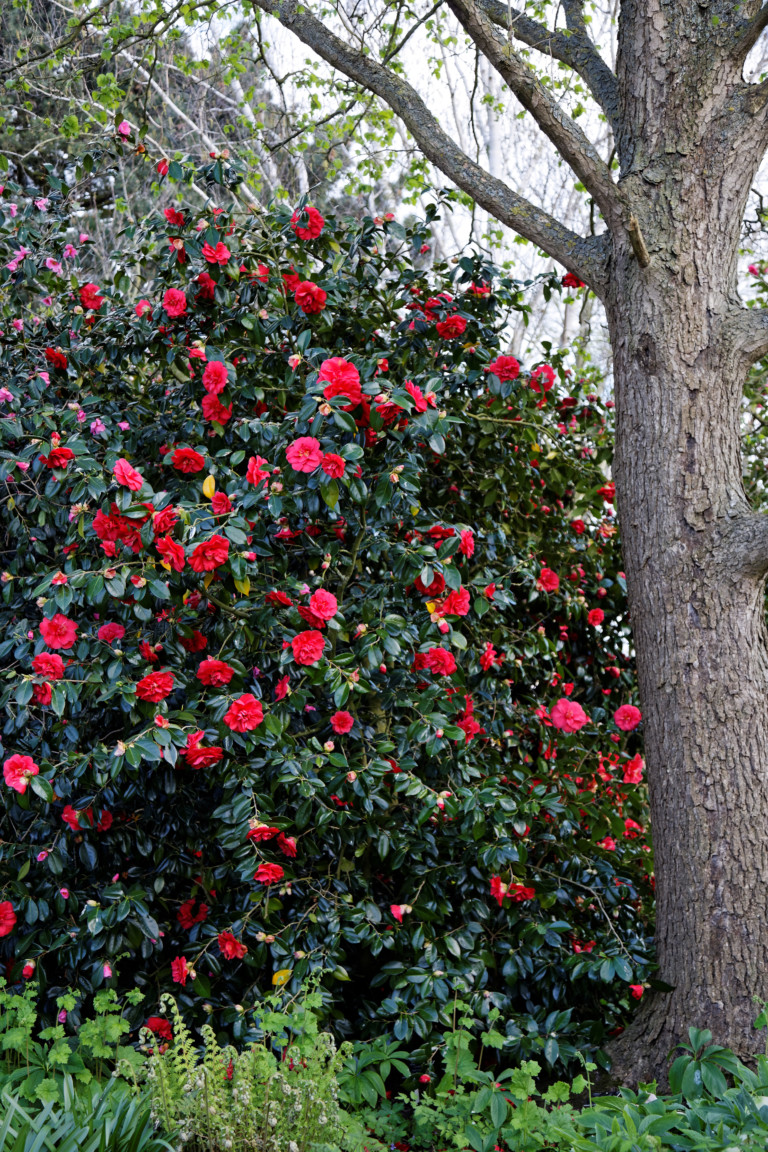
Winter Camellia has glossy dark green evergreen leaves and produces single or semi-double flowers during the colder season. Size varies by cultivar and age, typically ranging from about 3 to 12 feet tall with a similar spread. Growth is generally slow to moderate, so specimens develop form over several years.
Best uses and where to grow
Use Winter Camellia as a focal specimen, informal hedge or in containers on a protected patio. It performs best in sheltered sites with partial shade or bright filtered light and benefits from protection against strong winds. In mild climates it provides reliable cold season color while needing an acid, humus rich planting site.
Planting and timing
Choose a site with filtered light and shelter from wind and hot afternoon sun. Planting is easiest when temperatures are moderate so roots can establish before extreme cold or heat; set the root ball at the same soil level as it grew in the pot and space plants so their mature spread can develop without crowding.
Soil light and watering
Plant in acidic, humus rich, well drained soil with a pH around 5.5 to 6.5 to avoid leaf yellowing. Provide partial shade or bright filtered light and shelter from harsh sun. Keep soil evenly moist while plants establish; poor drainage leads to root rot while inconsistent moisture stresses the shrub and reduces flowering.
After flowering care and pruning
Remove spent blooms to keep plants tidy and reduce seed set. Light pruning after flowering helps maintain shape for hedging or specimens. Avoid heavy late season pruning that could remove next season’s flower buds; prune to open the center for air movement and to reduce wind damage on exposed buds.
Propagation
Propagate Winter Camellia by semi ripe cuttings, layering or seed. Semi ripe cuttings taken in summer are commonly used to retain cultivar traits while layering gives reliable results. Seed will not come true to named cultivars, so use vegetative methods to preserve specific flower forms and colors.
Containers and winter protection
Camellias are suitable for containers when given ericaceous potting mix and shelter from drying winds. In regions colder than USDA zones 7 to 9 provide extra protection such as a sheltered site or winter mulch around the root zone. In warmer sites plants may flower earlier and grow more vigorously.
Controlling spread
Winter Camellia does not self-spread aggressively but will fill its allotted space over time depending on cultivar and pruning. Control size with regular pruning and remove unwanted shoots. Choose cultivars with the habit you prefer to minimize maintenance for hedging or small garden specimens.
Frequently asked questions
- How fast does Winter Camellia grow?
- Growth is slow to moderate and varies by cultivar and site conditions so expect several years to reach mature size.
- When does Winter Camellia bloom?
- It blooms in the colder part of the year varying by cultivar and climate, generally from winter into early spring.
- What soil does it need?
- It prefers acidic, humus rich, well drained soil with a pH around 5.5 to 6.5. Avoid waterlogged heavy clay.
- Can it be grown in containers?
- Yes. Use ericaceous potting mix, keep roots evenly moist and place pots in a sheltered spot to protect buds from drying winds.
- Is Winter Camellia safe for pets?
- Records on toxicity vary by source and species. Check local poison control or veterinary guidance for species specific information.
Gallery
Related Plants
Mentioned In (1)

Plants
The 6 Best Types of Camellia for Your Garden
Few shrubs stop a gardener in their tracks the way a camellia in full bloom can. Glossy dark leaves, perfectly…