
Key Facts
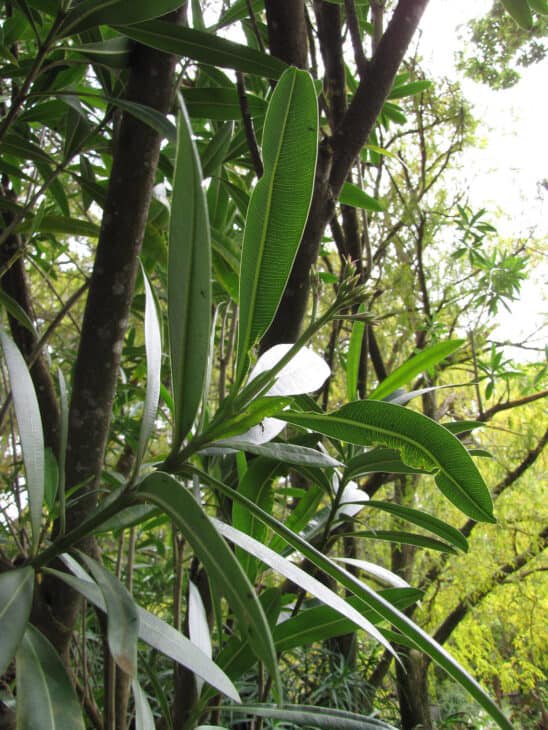
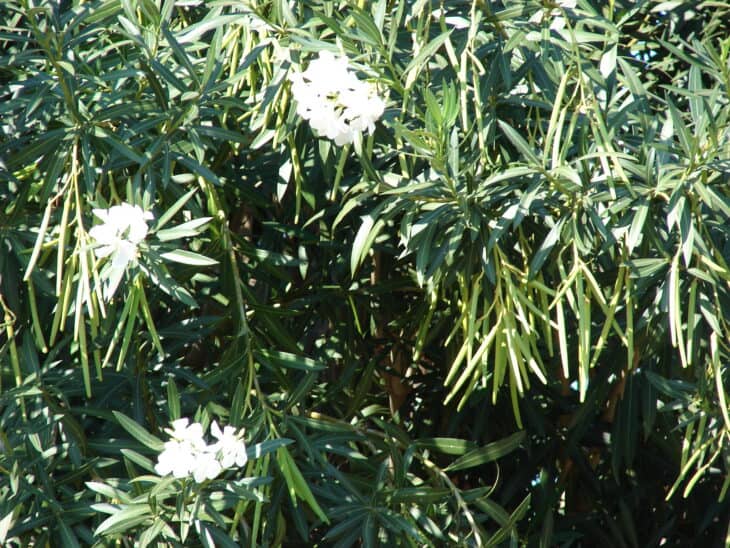
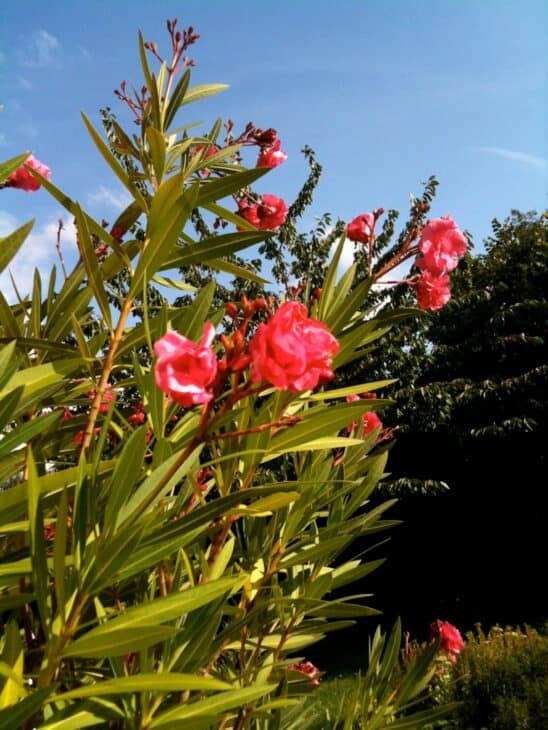
- Evergreen multi-stemmed shrub or small tree with glossy, lanceolate leaves.
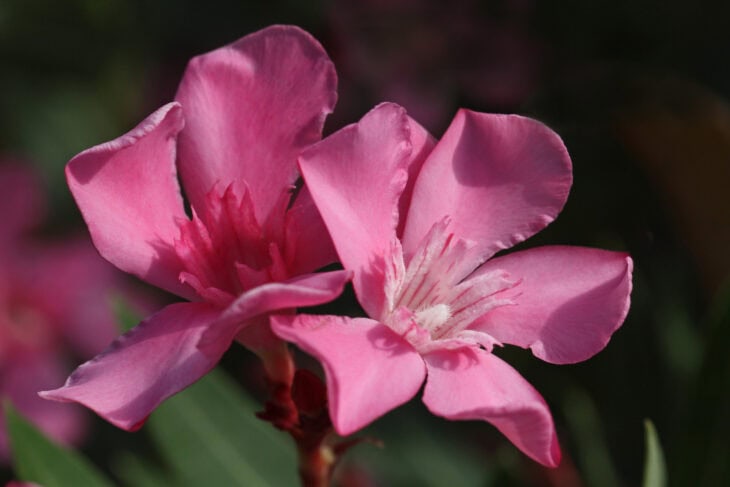
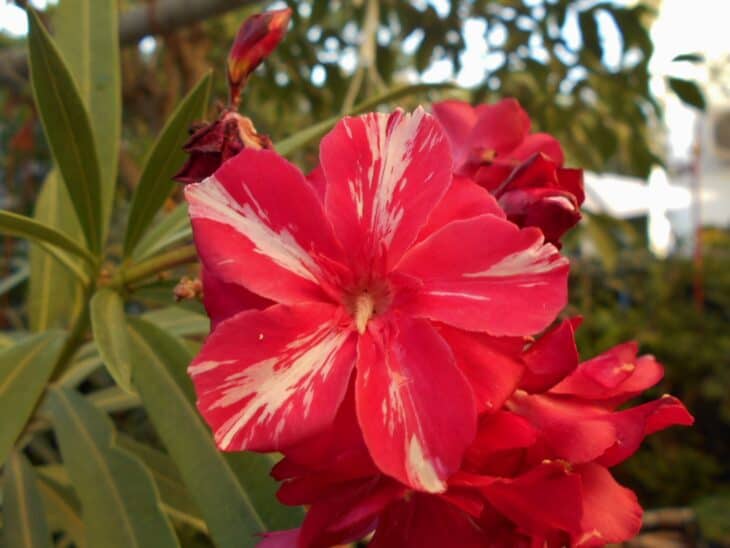
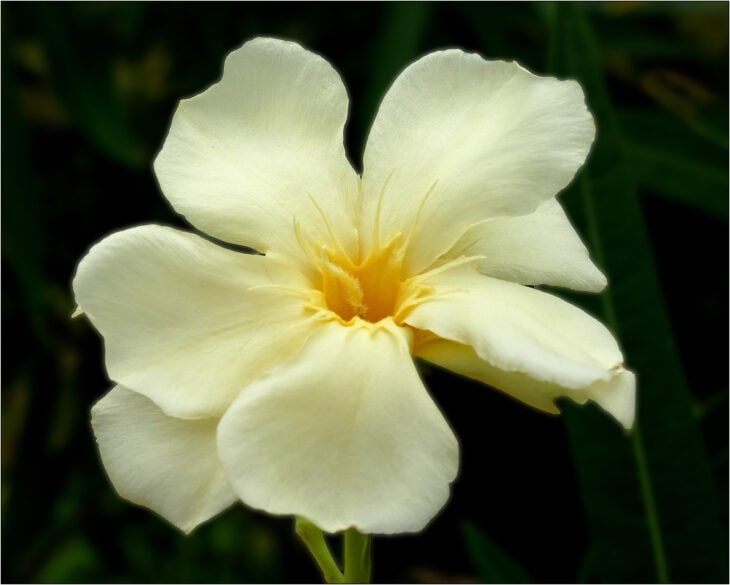
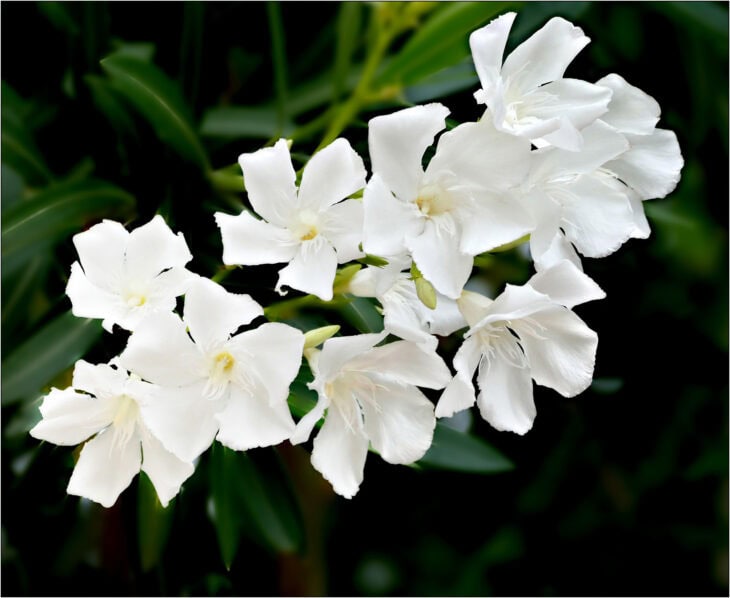
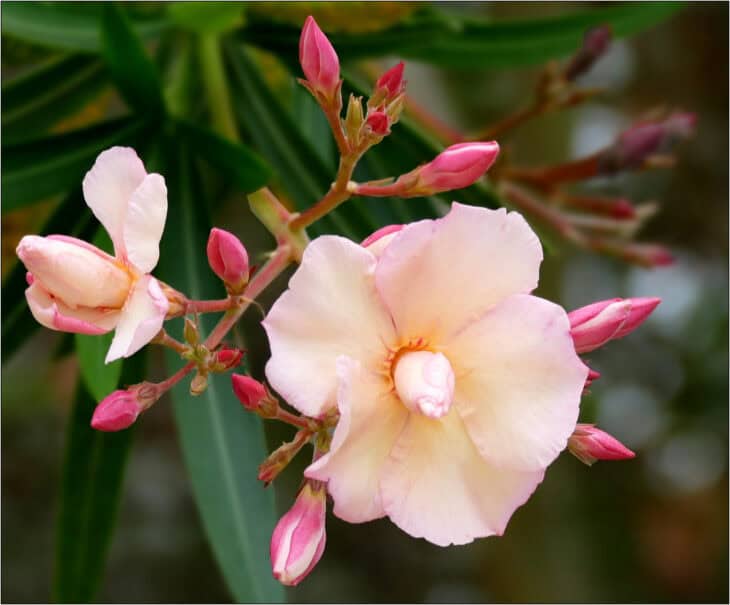
- Clusters of tubular flowers in colors that include white, pink and red.
- Native to the Mediterranean region and widely cultivated in warm climates.
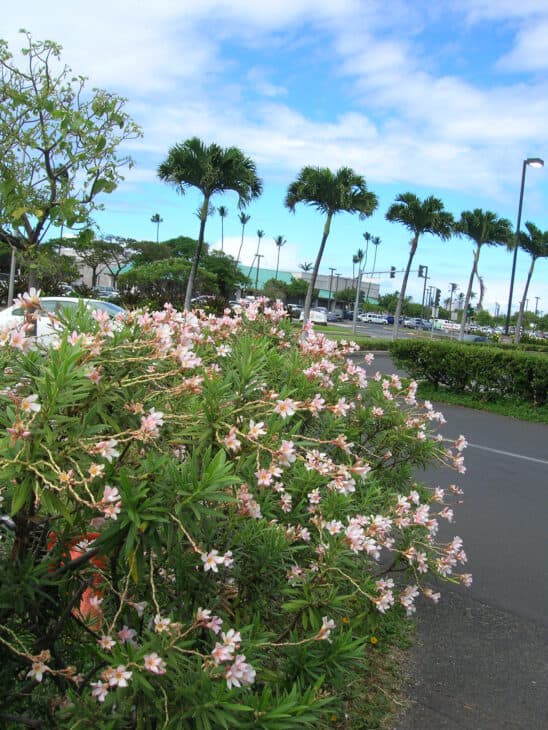
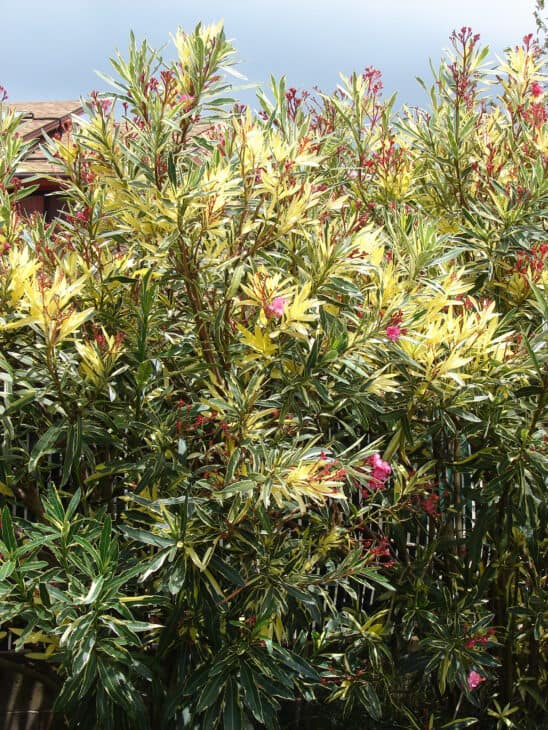
- Valued as a hedge, screen or specimen plant for warm temperate landscapes.
- Tolerant of drought and salt exposure once established.
- Prefers well drained soils and performs poorly in waterlogged conditions.
- All parts of the plant are highly poisonous if ingested.
- Propagated easily from semi-hardwood cuttings.
Oleander (Nerium oleander) is an evergreen multi stemmed shrub or small tree valued as a hedge, screen or specimen in warm climates. It bears clusters of tubular flowers in white, pink and red while all parts remain highly poisonous.
Identification
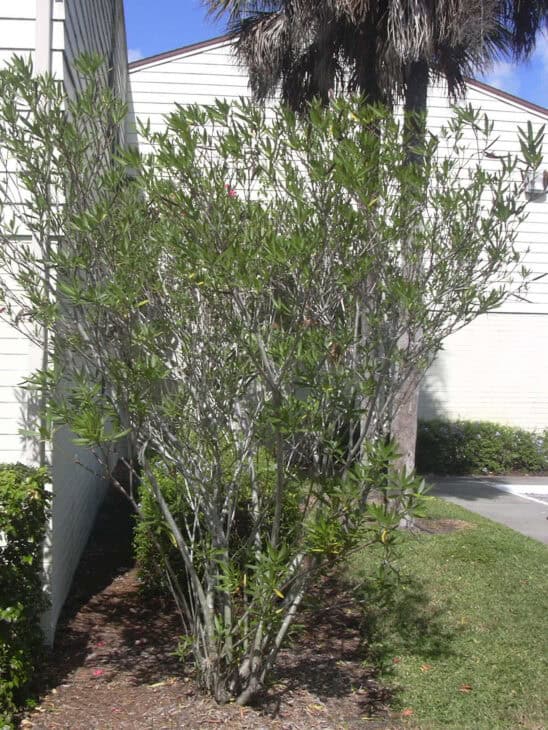
Glossy, lanceolate leaves grow on multiple stems and clusters of tubular flowers appear in late spring into summer and sometimes into fall in warm climates. Typical mature size is 6 to 12 ft tall with a similar spread and some plants reach greater heights in frost free locations.
Where to grow and common uses
Oleander suits warm temperate landscapes and is commonly listed as hardy roughly in USDA zones 8 to 10. It is used for formal hedges, privacy screens and as a specimen where heat and sun are reliable. The plant tolerates drought and some salt exposure once established but check local extension guidance before planting next to salt water spray.
Light and soil
Full sun produces the best flowering while light afternoon shade reduces bloom but does not prevent growth. Prefers well drained loam to sandy soils and tolerates poor and alkaline soils. Waterlogged conditions cause root decline and poor plant health.
Planting and spacing
Set the root ball so the top is level with the finished soil surface and firm soil around roots. Space plants about 6 to 10 ft apart for a dense hedge or allow room for a single specimen at the larger end of that range. Plant during the warm part of the growing season so roots can establish before cold weather arrives in your area.
Watering and effects of moisture
Provide regular water until plants are established then reduce to drought tolerant levels. Persistent wet soil leads to root decline and poor overall vigor while good drainage encourages steady growth and flowering.
After flowering care
Prune to shape and remove dead wood after flowering to maintain density and control size. In colder areas avoid heavy late season pruning that could expose fresh growth to frost damage.
Propagation
Oleander roots readily from semi hardwood cuttings which produce true to type plants. Seed and layering are possible but cuttings are fastest for a known cultivar. Wear gloves and avoid ingesting plant material when taking cuttings.
Toxicity and handling
All parts of oleander are highly poisonous and contain cardiac glycosides that can cause serious cardiac and gastrointestinal symptoms if ingested. Handling may cause skin irritation. Keep plants away from children and pets and post your local poison control contact on consumer facing pages.
Controlling size
Regular pruning controls height and spread and prevents plants from becoming leggy. In frost free climates expect larger specimens and consider a maintenance plan if you want a formal hedge or constrained specimen.
Frequently asked questions
- How fast does Oleander grow?
- Growth rate varies with climate soil and care. Plants commonly reach the typical mature size of 6 to 12 ft and grow faster in warm, well drained sites.
- Is Oleander poisonous?
- Yes. All parts are highly poisonous if ingested and handling can cause skin irritation. Keep away from children and pets.
- When does Oleander bloom?
- Flowering is mainly late spring into summer and can extend into fall in mild climates.
- What soil does Oleander prefer?
- Oleander prefers well drained loam to sandy soils and tolerates poor and alkaline soils. Avoid waterlogged ground.
- How do I propagate Oleander?
- Propagate by semi hardwood cuttings for the quickest, true to type plants. Wear gloves and handle cuttings with care due to toxicity.
Gallery
Related Plants


Mentioned In (23)

Plants
8 Plants That Look Like Rhododendron
Rhododendron is a genus containing many species of shrubs and trees. Some trees grow as large as 20 feet tall,…

Plants
25 Poisonous Plants in Massachusetts
There are a few types of dangerous plants in Massachusetts. Some individuals, especially youngsters and animals, may be drawn to…
Plants
25 Poisonous Plants in Pennsylvania
Pennsylvania has a diverse landscape that grows many varieties of flora, including a large variety of vines, trees, and shrubs.…
Plants
25 Poisonous Plants in Hawaii
Plants that may appear to look lush and green in the Hawaiian flora could actually be toxic and poisonous. Even…
Plants
23 Poisonous Plants in New Mexico
New Mexico is a State in the United States of America that is located in the Southwestern region. It is…
Plants
25 Poisonous Plants in Washington State
Native and imported plants are abundantly found in Washington State. Animals and humans should avoid eating these plants since they…
Plants
24 Poisonous Plants in Alabama
There are dangers lurking in the world of toxic plants, even those that look harmless. Many plants contain poisons that…

Plants
25 Poisonous Plants in Illinois
Want to increase your knowledge of the poisonous plants in Illinois? The Prairie State is home to a large variety…

Plants
24 Poisonous Plants in Tennessee
Interested in learning about the poisonous plants in Tennessee to protect yourself when hiking the great outdoors in the state?…
Plants
23 Poisonous Plants in Arkansas
Arkansas is home to a wide range of flora that may be found in backyards, fields, forests, and hiking routes.…

Plants
22 Poisonous Plants in Arizona
Arizona is home to a hot and dry climate, which is generally a place where poisonous plants can thrive. These…

Plants
14 Poisonous Plants in South Carolina
South Carolina is blessed with a vast array of some of the most stunning flora and fauna, with vivid hues…

Plants
19 Poisonous Plants in Missouri
Accidental poisonings by toxic plants throughout the United States are extremely common, estimated to be about 2 million every year.…

Plants
18 Poisonous Plants in Nevada
The large State of Nevada is located in the country's Western region. Its borders meet Oregon, California, Idaho, Arizona, and…

Plants
24 Poisonous Plants in Indiana
There are numerous advantages to having plants around, including the ability to beautify our surroundings while also serving as sources…

Plants
24 Poisonous Plants in Oklahoma
You can find several types of poisonous plants in the state of Oklahoma in a variety of natural landscapes. So,…

Plants
12 Poisonous Plants in Oregon
There are numerous poisonous plants in the state of Oregon. They can be toxic to both animals and humans. Other…

Plants
24 Poisonous Plants in California
California is the largest agricultural state in all of America and has almost 23 million acres of land reserved for…
Plants
24 Poisonous Plants in Texas
If you live in Texas or are visiting and you love mother nature, be prepared to run into at least…

Plants
24 Poisonous Plants in Florida
When we think about plants, we usually think about how magnificent and beautiful they are. They are a source of…

Trees
17 Evergreen Trees in Alabama
Evergreen trees are beautiful, but what you may not know is that there are many different types of evergreens native…
Trees
16 Pink Flowering Trees in Spring
Are you looking for breathtaking pink flowering trees to plant in your garden? Well, you’ve come to the right place!…

Trees
89 Best Flowering Trees for Florida Gardens
If you are always on the lookout for elegant and vivid flowering trees in Florida, you would be happy to…