
Key Facts
- Warm-season annual grown for edible pods and seed.
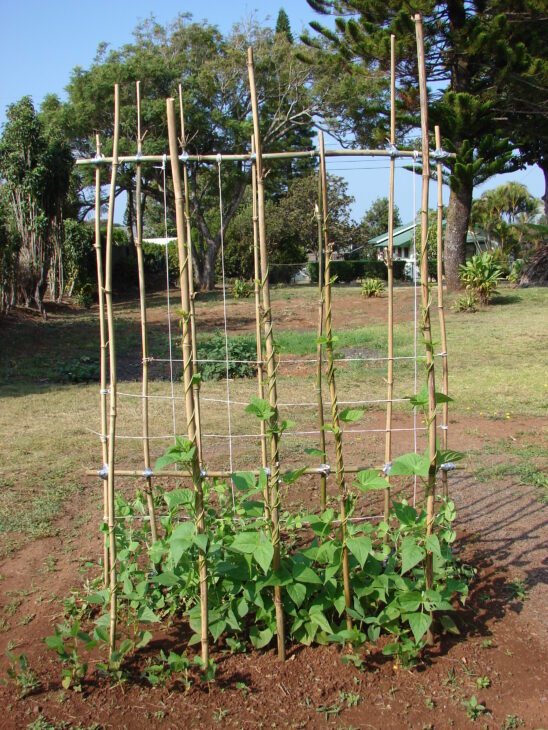
- Compact determinate habit that does not require staking.
- Frost tender so plant after the last spring frost.
- Usually direct sown into the garden rather than transplanted.
- Many varieties mature in roughly 50–60 days from sowing.
- Prefers full sun and well drained soil.
- A legume that forms root nodules with rhizobia bacteria.
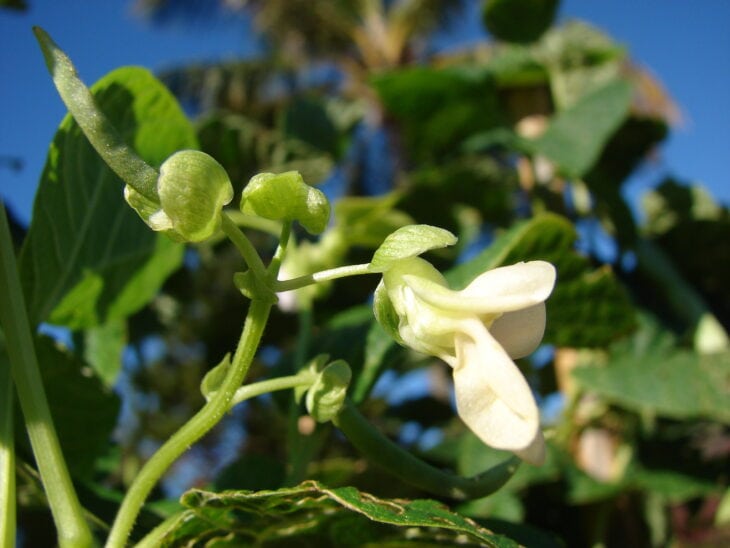
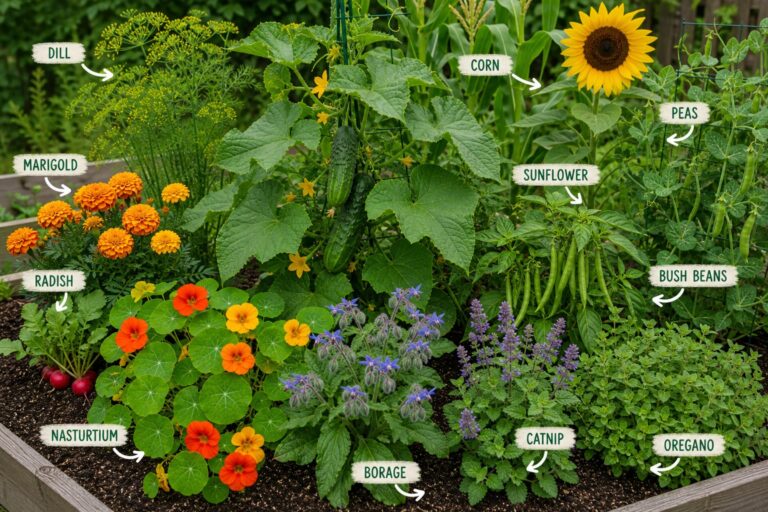
Bush Beans (Phaseolus vulgaris) are compact warm season vegetables grown for their edible pods and seeds. They form a determinate bush and are usually sown outdoors after the last frost.
Identification
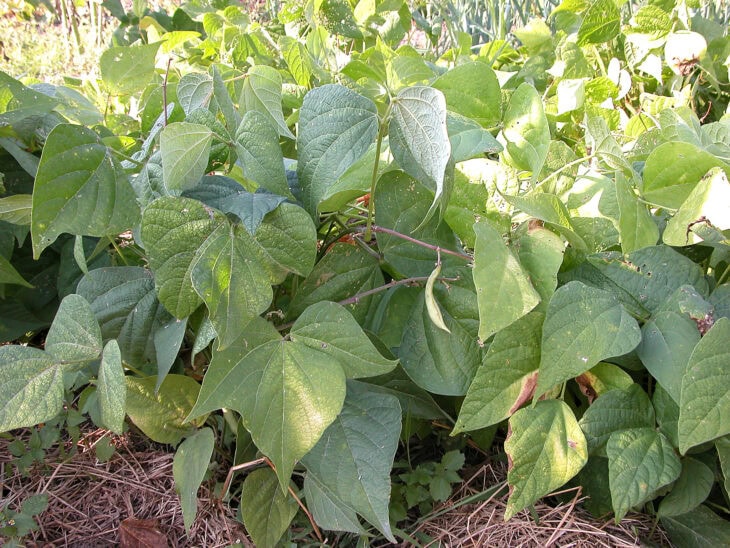
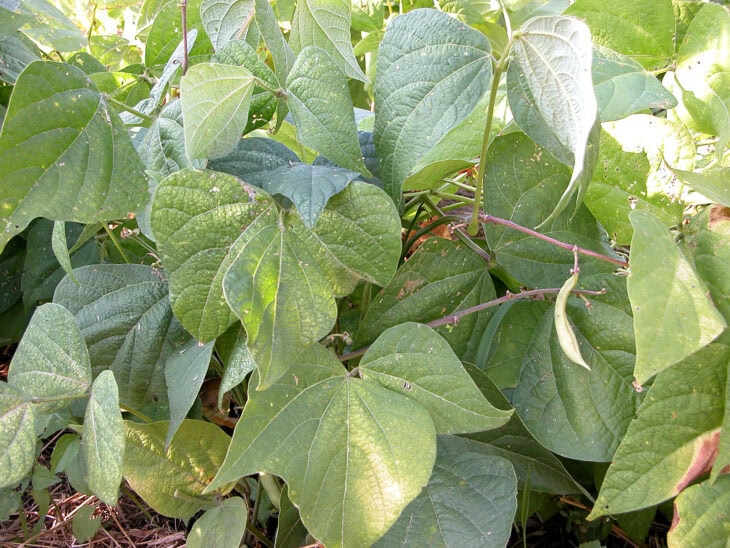
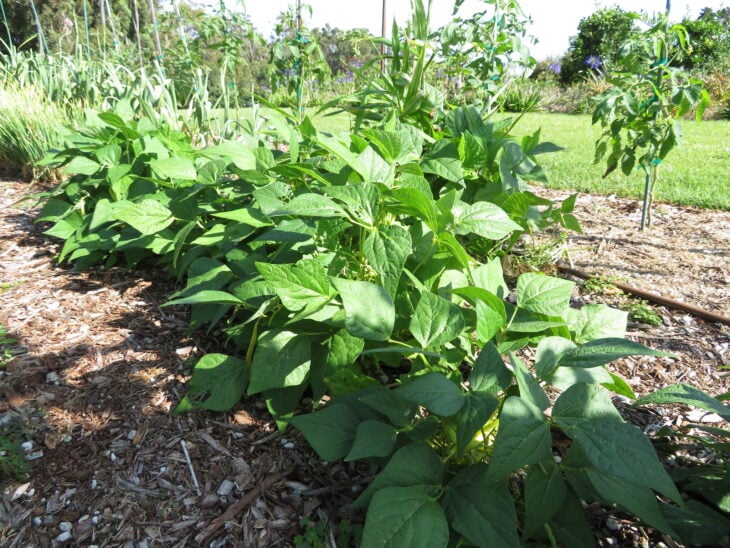
Bush Beans are Phaseolus vulgaris with a compact determinate habit that stays bushy rather than climbing. Plants commonly reach about 12 to 24 inches high and occupy roughly the same width. They are annuals for most gardens and form root nodules with rhizobia bacteria as legumes.
Best uses and where to grow
Their compact habit makes bush beans ideal for vegetable beds and small plots where staking is impractical. They suit raised beds and short season gardens because many varieties mature quickly. Plant them after risk of frost has passed since they are frost tender.
Planting time and propagation
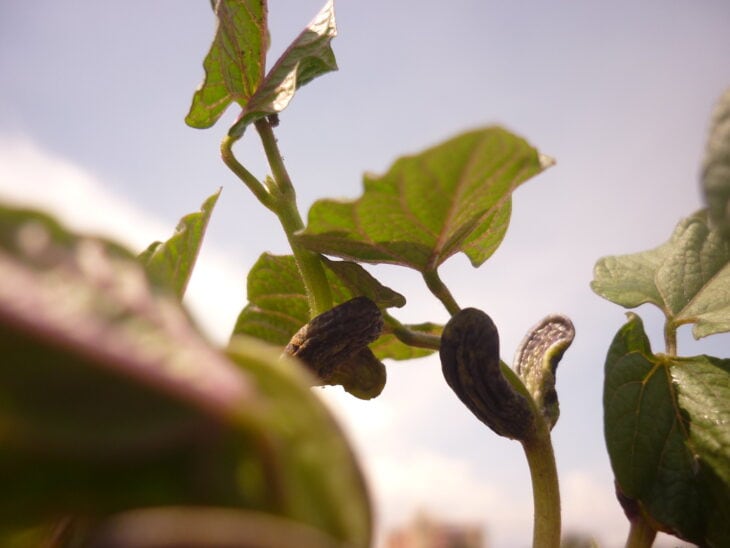
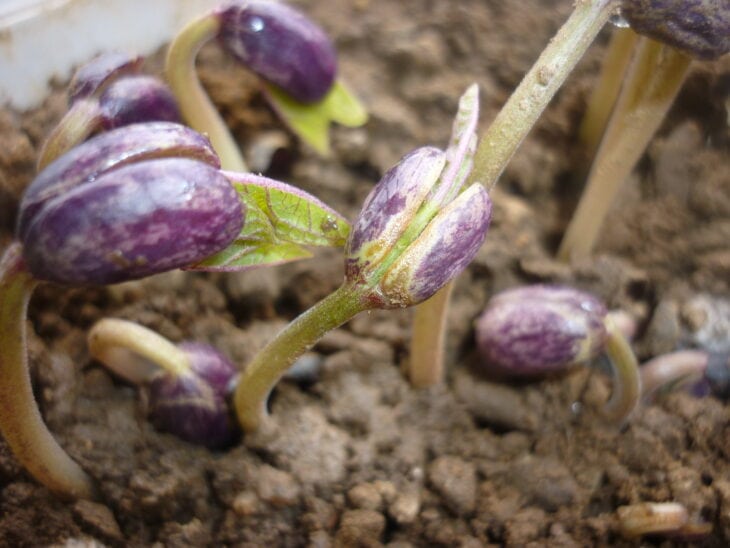
Sow seed directly into warm garden soil after the last spring frost. Bush beans do not transplant well because they dislike root disturbance so direct sowing is the preferred method. Seeds can be started briefly indoors but handle seedlings carefully if you move them outside.
Spacing and growth rate
Most bush bean varieties grow to roughly 12 to 24 inches tall and spread about the same distance. Many varieties mature in about 50 to 60 days from sowing so you can use succession sowing for steady harvests. The compact habit means staking is not required.
Soil light and watering
Choose well drained loam to sandy loam with pH near 6.0 to 7.5 and provide full sun of six or more hours daily. Avoid waterlogged soils because poor drainage increases root disease and reduces yield. Moderate fertility is best since excessive nitrogen can reduce pod production.
Harvest and after flowering care
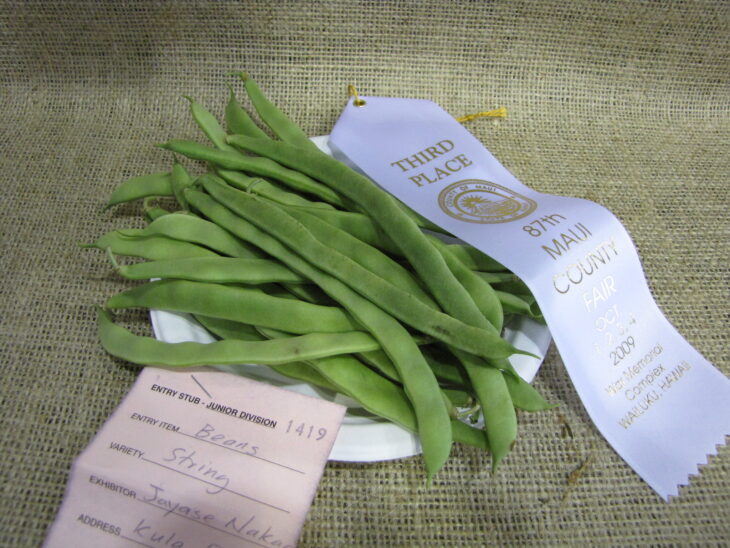
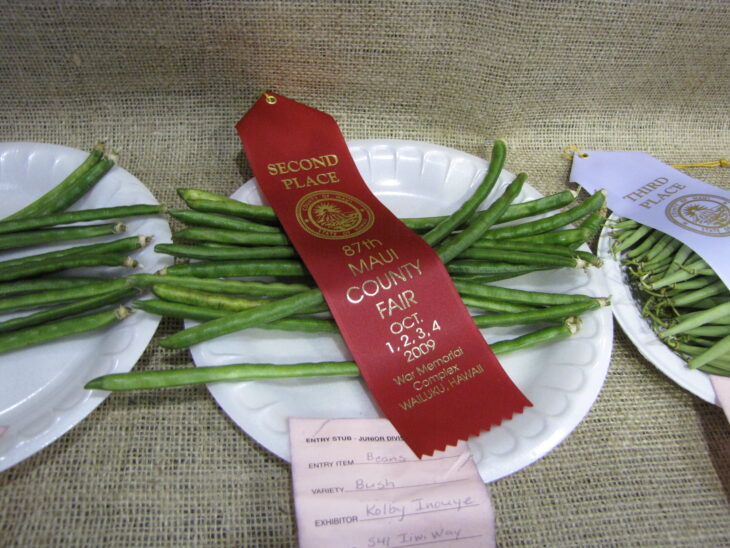
Harvest pods when they are firm and at the size you prefer. Regular picking preserves quality and encourages continued production through the season. After flowering keep soil evenly moist but not waterlogged and avoid disturbing roots.
Pests diseases and safety
Poor drainage raises risk of root disease so focus on soil and site selection. As a food crop cooked green beans are safe for people and pets. Raw or undercooked mature beans can contain lectins that in sufficient quantity cause gastrointestinal symptoms so follow safe preparation guidance from food safety authorities.
Frequently asked questions
- How fast does Bush Beans grow?
- Many varieties mature in roughly 50 to 60 days from sowing so you can expect a harvest within the season.
- Do bush beans need staking?
- No. The determinate bush habit is compact and generally does not require staking.
- Are bush beans safe for pets?
- Cooked green beans are considered safe for people and pets. Raw or undercooked mature beans may contain lectins that can cause nausea or vomiting in sufficient quantity.
- Can I start bush beans indoors?
- They can be started briefly indoors but seedlings dislike root disturbance so direct sowing into warm soil after frost is usually better.
- How deep should I plant seeds?
- Planting depth varies by seed and variety so follow the seed packet or local extension guidance and sow into warm soil after frost risk has passed.
Gallery
Related Plants


Mentioned In (3)
Plants
Companion Plants for Okra: What Works (and what doesn’t)
Root-knot nematodes, aphids, and pod-feeding stink bugs are the pressure points that make okra companion planting worth planning carefully. The…
Plants
Companion Plants for Cucumber: What Works (and what Doesn’t)
Cucumber beetles are one of the most destructive forces in the vegetable garden — and they don't just eat foliage.…

Plants
Companion Plants for Kale: What Works and Why
Kale is one of the easiest crops to grow — until the aphids arrive, the flea beetles strike, and the…