
Key Facts
- Evergreen shrub with glossy leathery leaves.
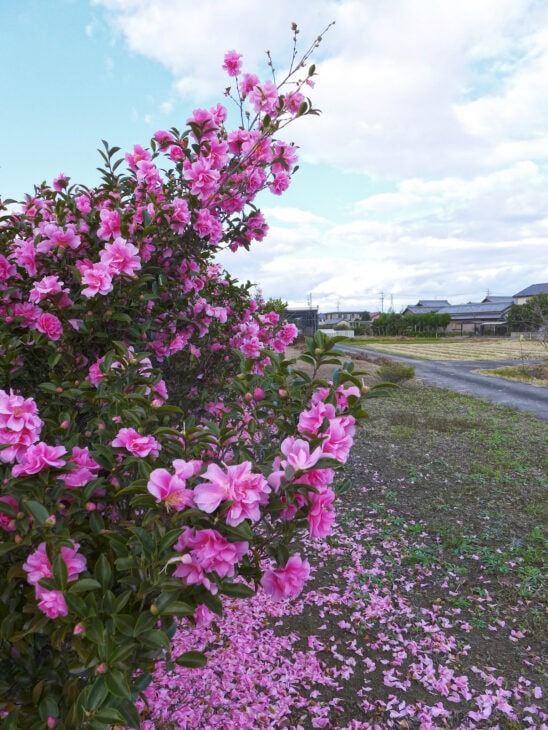
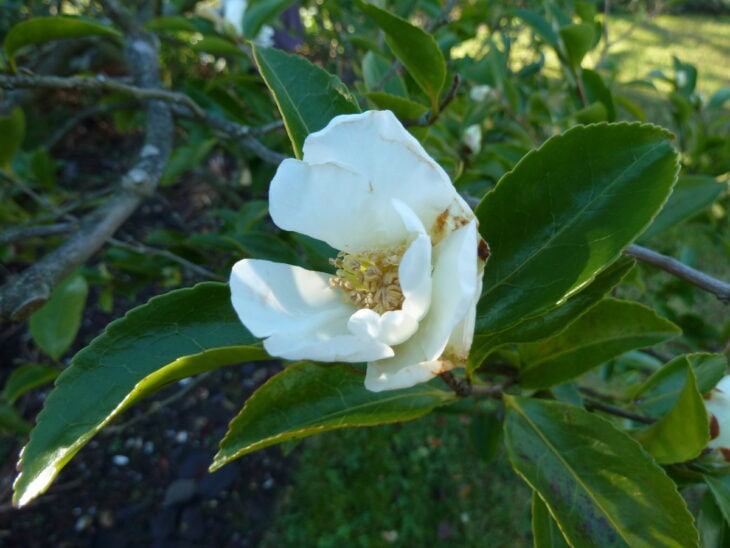
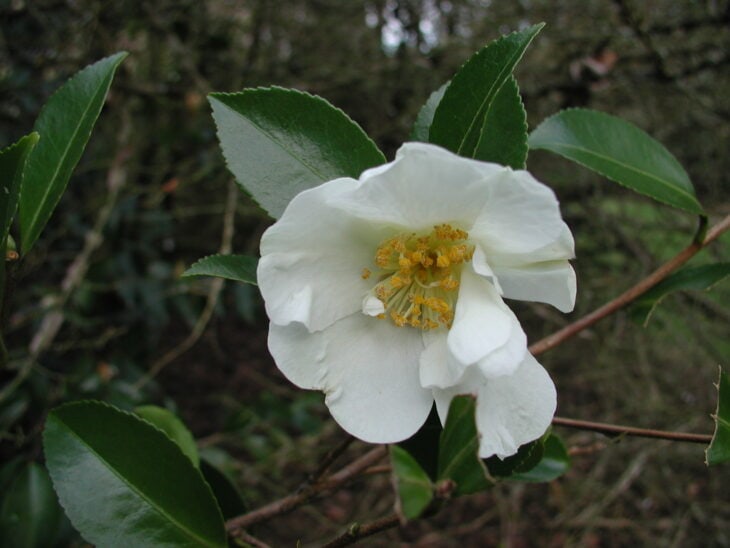
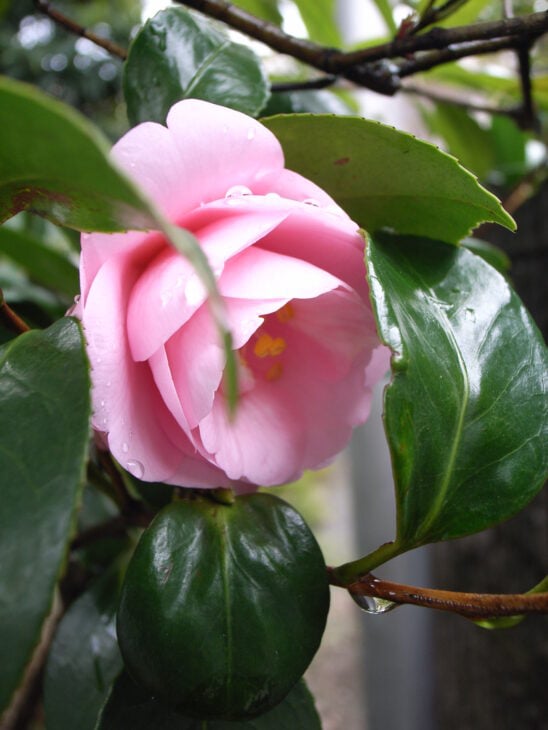
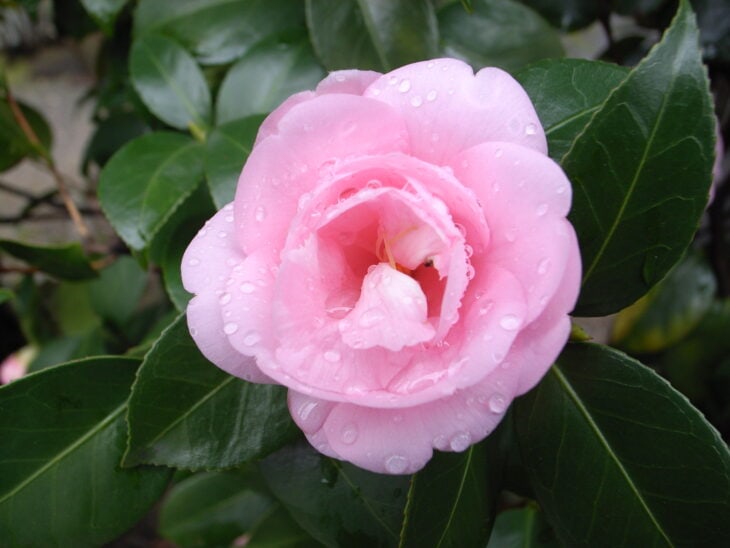
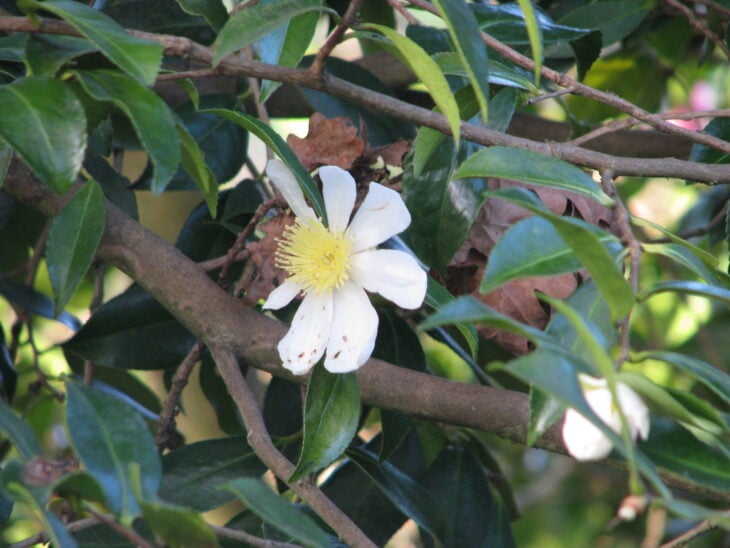
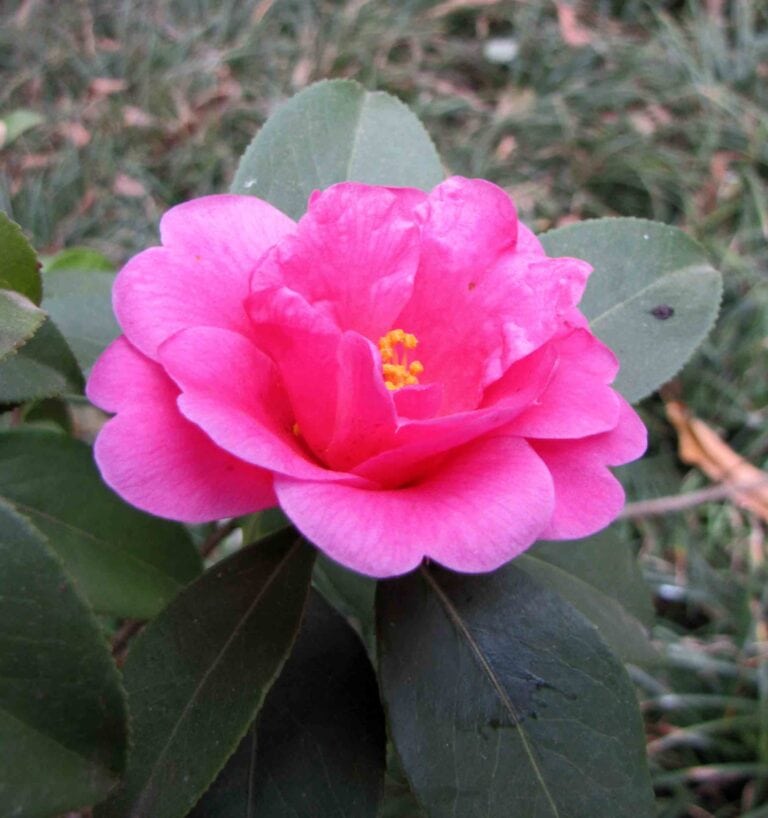
- Blooms in autumn to early winter with single or semi double flowers.
- Prefers acidic humus rich well drained soil.
- Does best with morning sun and protection from hot afternoon sun.
- Typically grown from semi ripe cuttings layering or grafting.
- Generally hardy in mild winter climates but sensitive to hard freezes.
- Non toxic to dogs and cats according to ASPCA.
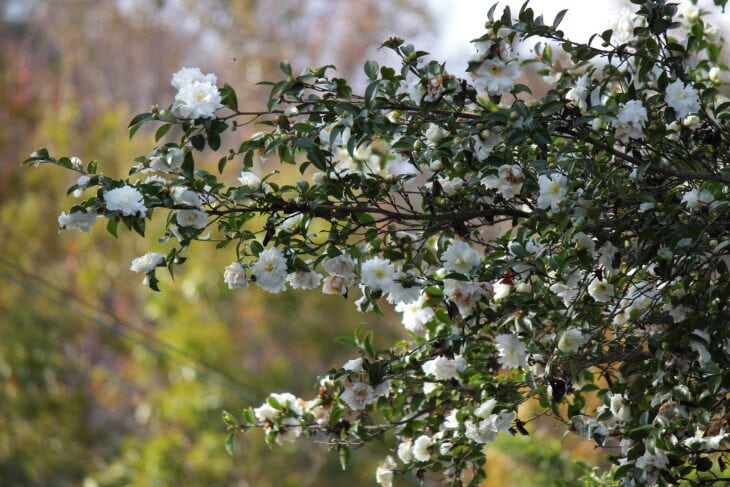
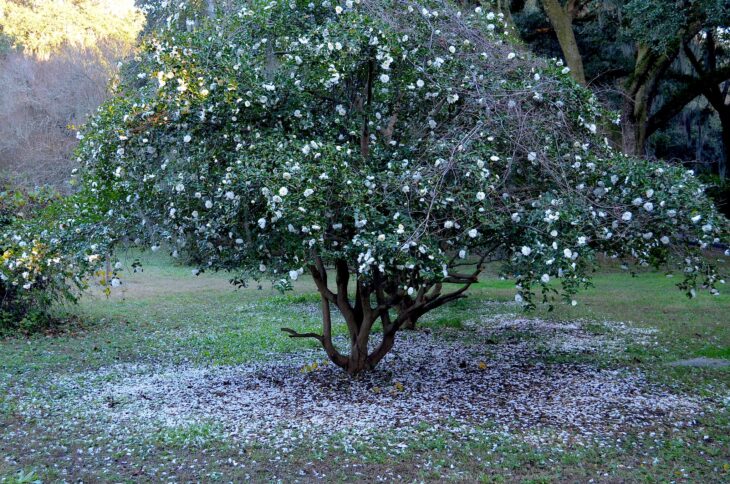
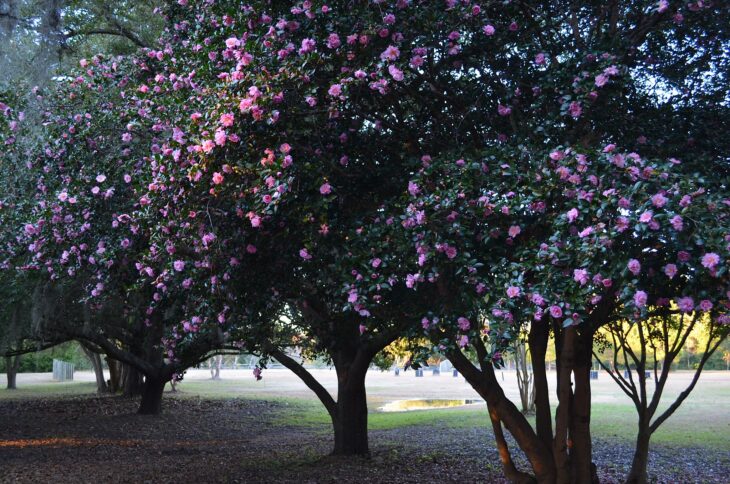
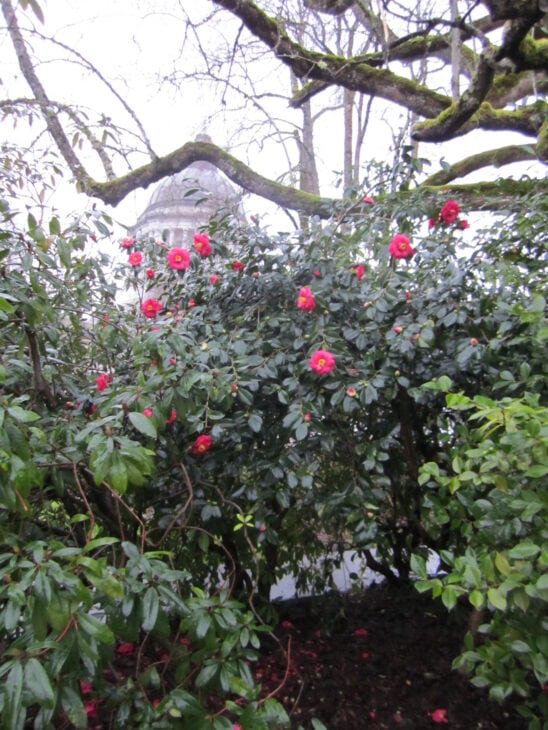
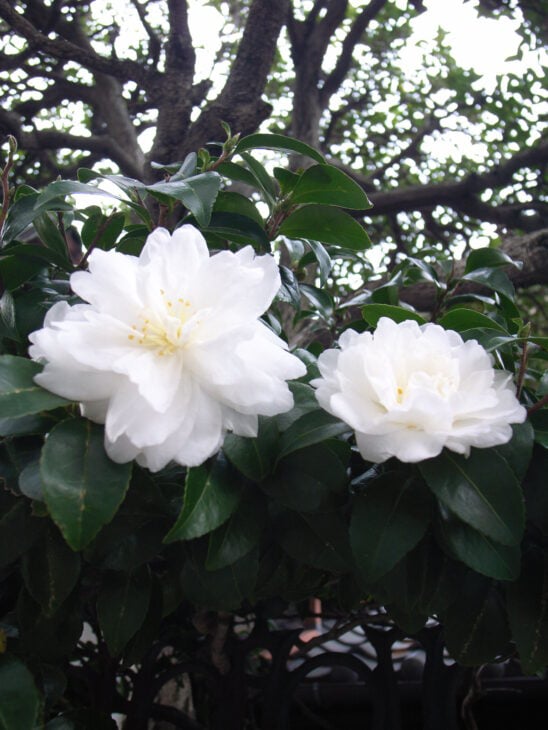
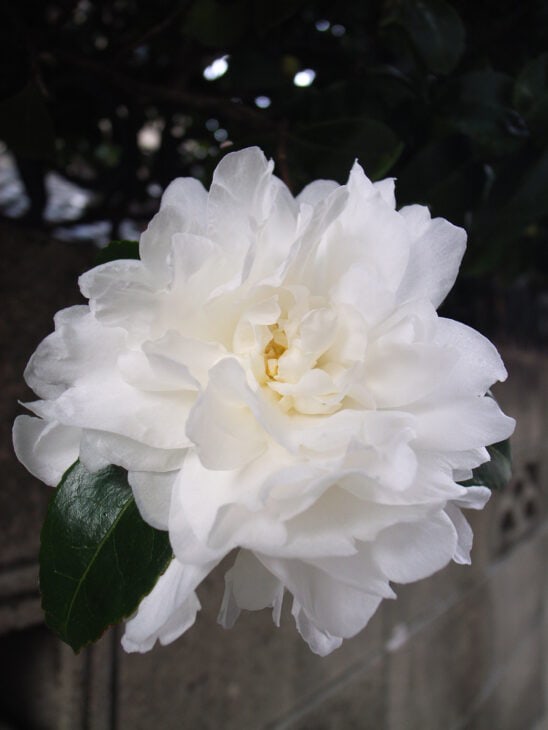
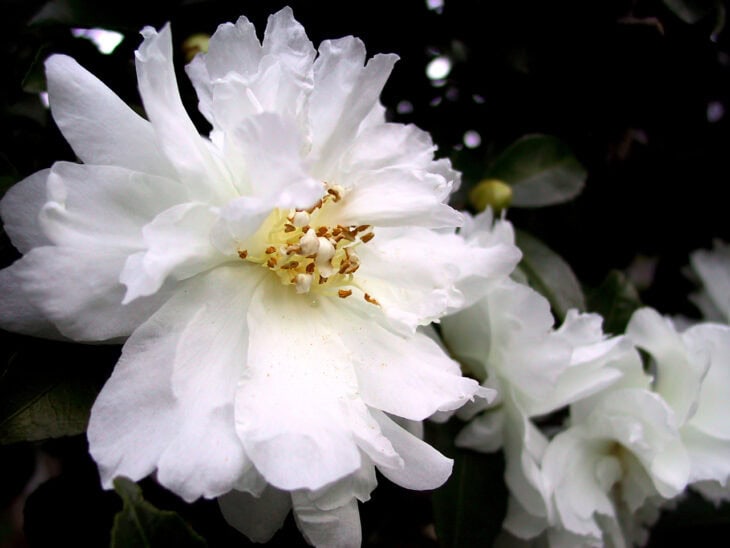
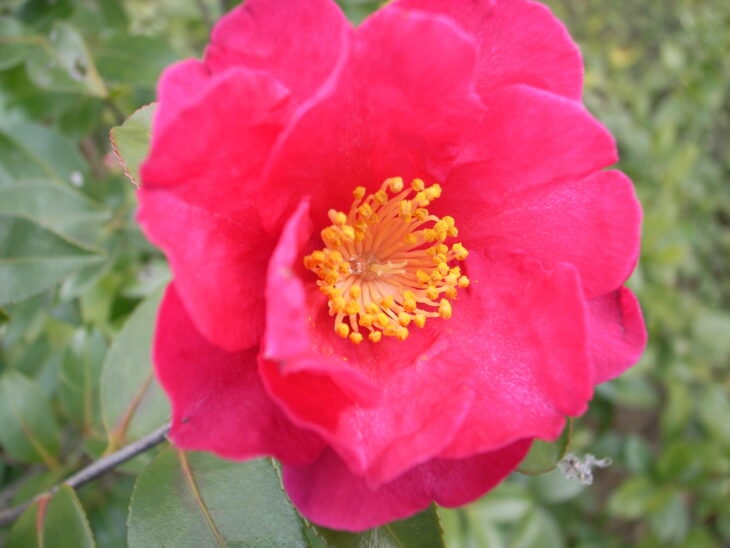
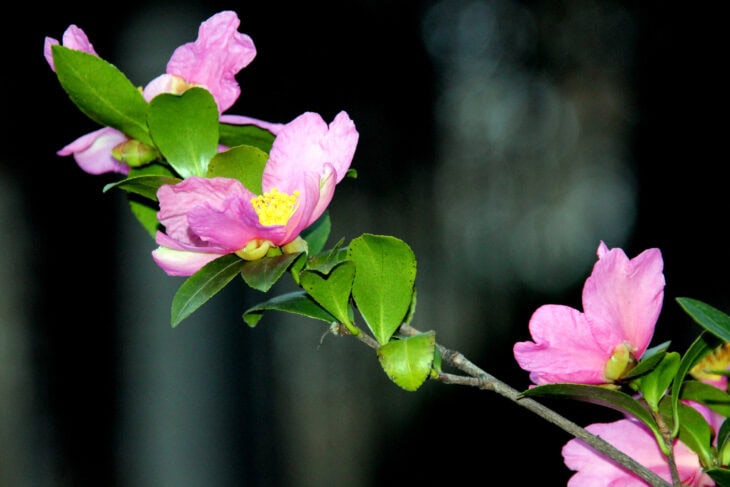
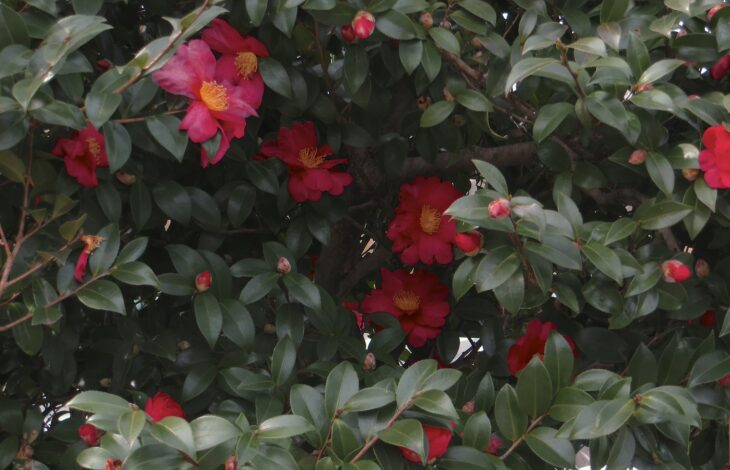
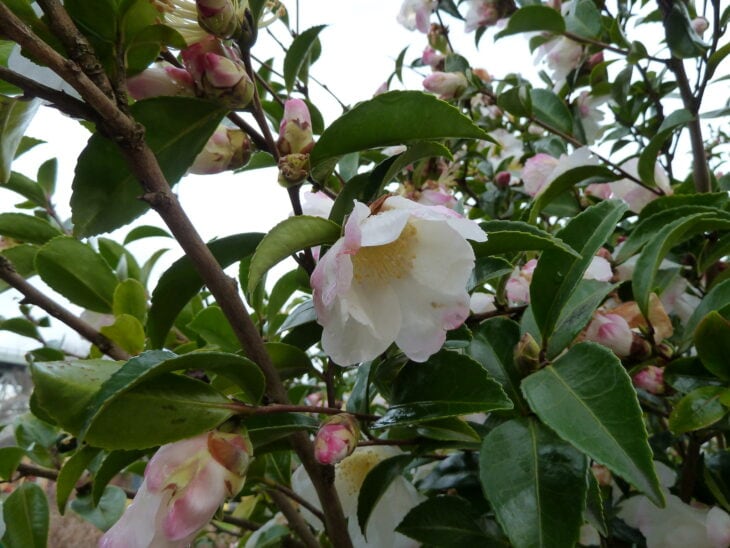
Sasanqua Camellias are evergreen shrubs prized for single or semi double blooms from autumn into early winter and for glossy leathery foliage that stays year round. They suit sheltered borders and mixed shrub beds where morning sun and afternoon shade protect flowers and leaves from hot sun and winter extremes.
Identification
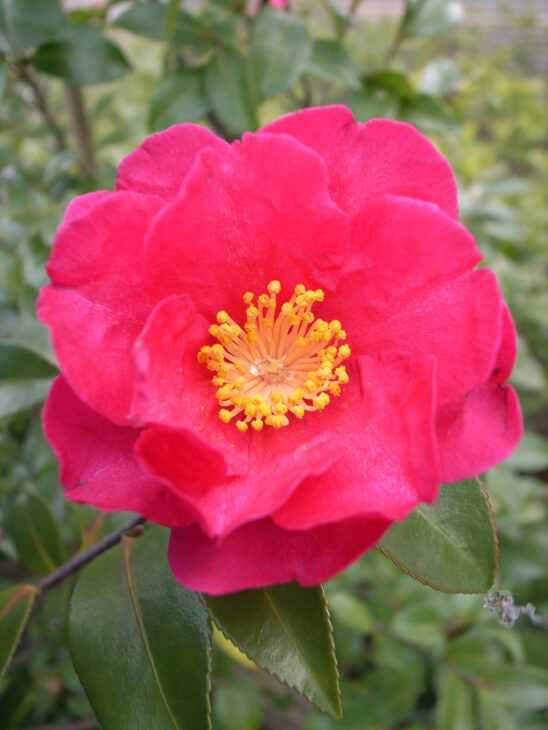
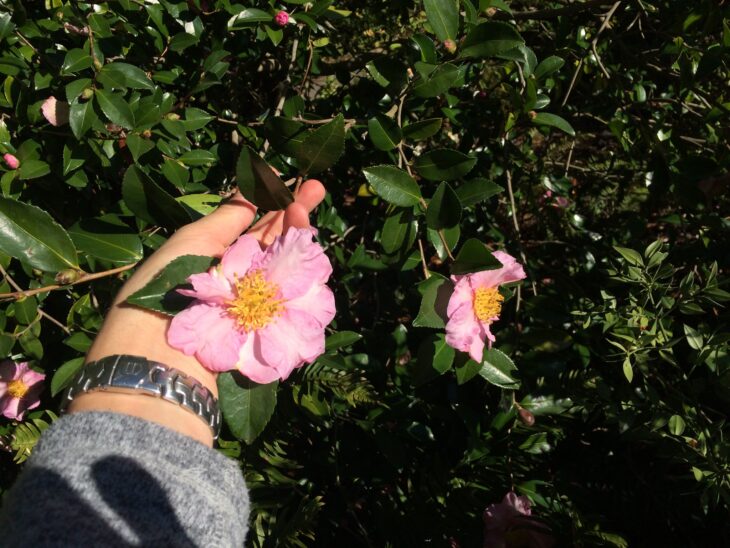
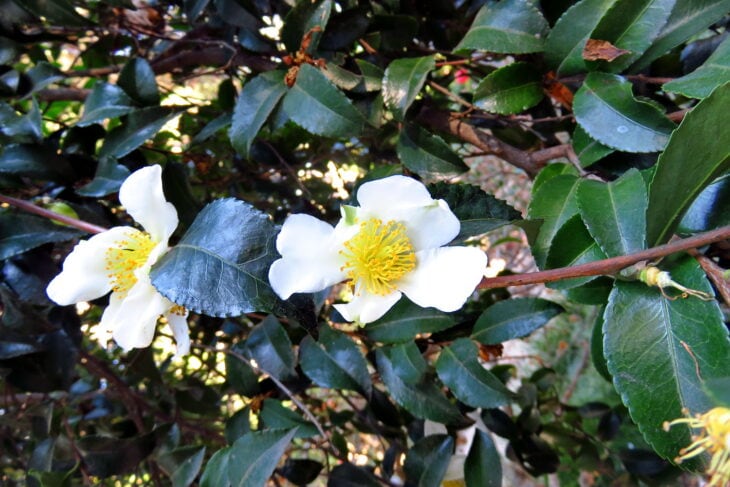
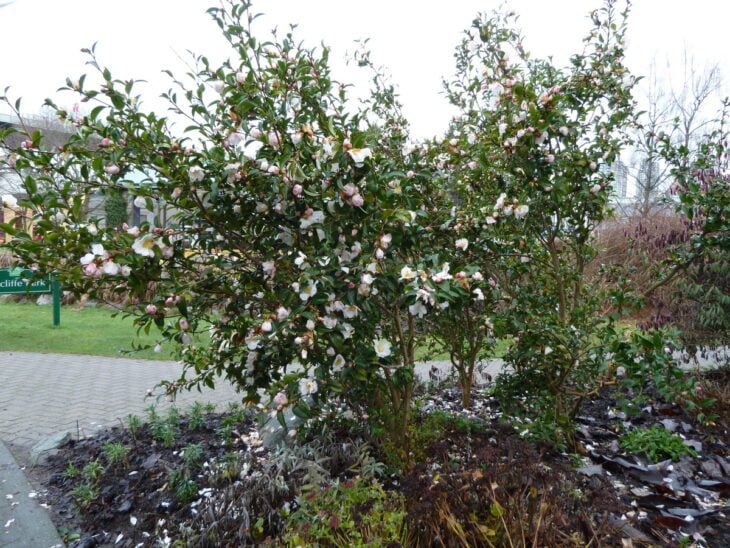
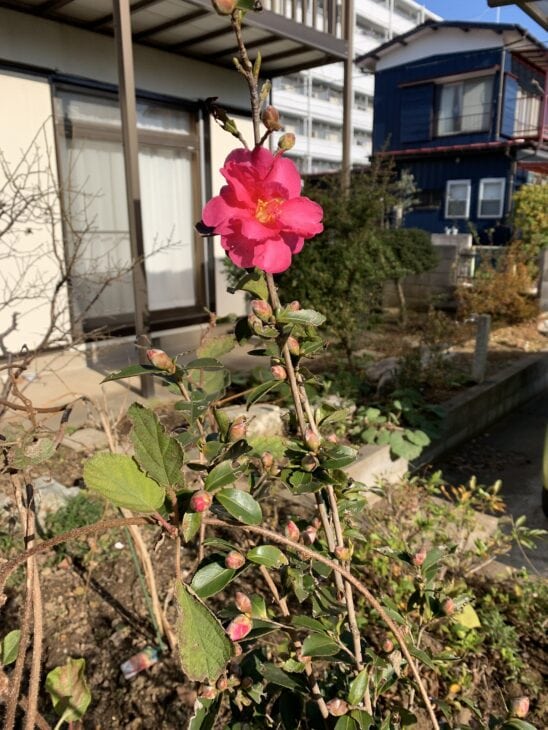
Compact to medium multi stemmed shrubs with glossy leathery leaves and single or semi double flowers that appear in autumn to early winter. Size varies by cultivar but many reach four to ten feet high with a three to eight foot spread. Flower color and form depend on the named cultivar.
Best uses and where to grow
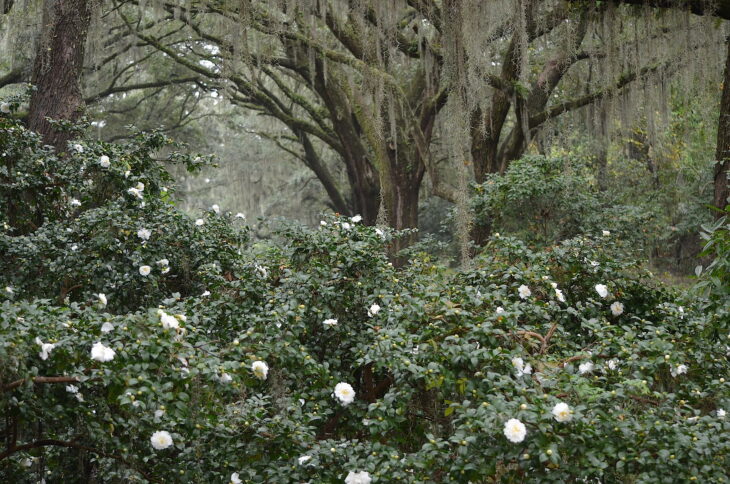
Use as a specimen near patios for winter color or as part of a mixed shrub border and informal hedge in USDA zones 7 to 9. They perform best in sites with morning sun or dappled light and protection from hot afternoon sun. Sheltered sites reduce risk of winter dieback.
Planting and spacing
Plant in a prepared bed with acidic humus rich well drained soil. Space plants three to eight feet apart depending on cultivar and the desired form as a hedge or specimen. Avoid low wet spots since poor drainage leads to root decline and reduced flowering.
Soil and watering
Sasanqua Camellias prefer acidic soil around pH 5.5 to 6.5 and plenty of organic matter. Keep soil consistently moist but not waterlogged. Poor drainage causes root rot and fewer blooms while dry stress can reduce flower set and vigor.
After flowering care and pruning
Lightly prune after flowering to maintain shape and control size while avoiding heavy pruning late in the season. Remove dead or crossing wood and thin to improve air circulation. Pruning choices strongly influence final height and spread.
Propagation
Common propagation methods are semi ripe cuttings, layering and grafting. Use grafting or named- cultivar propagation to preserve a cultivar true to type. Seed is suitable for breeding but will not reliably produce the same cultivar traits.
Controlling spread and maintenance
These shrubs do not tend to be invasive but form multi stemmed clumps that can be controlled by pruning and spacing. Routine mulching with acidic organic material preserves soil moisture and fertility. Monitor for winter dieback in colder sites and select cultivars suited to your microclimate.
Frequently asked questions
- How fast does Sasanqua Camellias grow?
- They grow at a moderate pace. Many cultivars reach four to ten feet over several years depending on site fertility pruning and cultivar.
- When do they bloom?
- Flowers appear in autumn into early winter with exact months varying by climate and cultivar.
- Are Sasanqua Camellias cold hardy?
- Generally hardy in USDA zones seven to nine with sensitivity to hard freezes. Microclimate and cultivar selection affect real world performance.
- Is this plant safe for pets?
- Camellia species are not listed as toxic to dogs and cats by the ASPCA. Normal precautions apply if large amounts are eaten.
- How should I propagate named cultivars?
- Use semi ripe cuttings layering or grafting for true to type plants. Seed will not reliably produce the same cultivar.
Gallery
Related Plants

Mentioned In (4)

Plants
The 6 Best Types of Camellia for Your Garden
Few shrubs stop a gardener in their tracks the way a camellia in full bloom can. Glossy dark leaves, perfectly…
Plants
7 Plants That Look Like Peonies
Peonies are a garden treasure, famous for their luxurious, multi-petaled blooms that unfurl in late spring. But their bloom season…
Trees
27 Flowering Trees For Virginia Gardens
Are you thinking of planting flowering trees in your Virginia home? Well, you’re in luck! There is no shortage of…
Trees
7 Great Flowering Trees For North Carolina
Are you looking to plant some truly breathtaking flowering trees and shrubs in your home garden in North Carolina? Well,…