Crape Myrtle trees (Lagerstroemia) are iconic in southern U.S. landscapes, prized for their summer flowers and multi-season appeal. But are they the right choice for your garden? Understanding both the advantages and the potential downsides will help you decide if a crape myrtle fits your needs.
Contents
- The 5 Pros Of Crape Myrtle Trees
- 1. Crape Myrtle Trees Have A Stunning Appearance
- 2. Crape Myrtles Are Relatively Easy To Propagate (Especially From Cuttings)
- 3. Crape Myrtles Can Be Fast-Growing Once Established
- 4. Crape Myrtle Roots Are Generally Non-Aggressive (Lower Risk to Foundations/Sidewalks)
- 5. Many Cultivars Exist (Different Sizes, Flower Colors, and Disease Resistance)
- The 4 Cons Of Crape Myrtle Trees
- 1. Crape Myrtles Are Susceptible to Aphids and Crape Myrtle Bark Scale
- 2. Crape Myrtles Are Prone to Powdery Mildew and Leaf Spot (Cultivar-Dependent)
- 3. Cold Hardiness Is Limited (Winter Dieback in Colder Zones)
- 4. Crape Myrtles Are Non-Native in the U.S. (Invasive/Native-Plant Concerns in Some Regions)
- 5. Heavy Bloom Drop, Seed Pods, and Bark/Leaf Litter Can Be Messy
- 6. “Crape Murder” Pruning Can Ruin Form and Reduce Flowering
- Final Thoughts
Crape myrtles offer stunning blooms, easy propagation, non-aggressive roots, and many cultivar options. However, they’re susceptible to aphids and bark scale, prone to powdery mildew and leaf spot, have limited cold hardiness, are non-native (raising invasive concerns in some regions), produce seasonal litter, and are often damaged by improper pruning.
The 5 Pros Of Crape Myrtle Trees
Crape myrtles remain popular landscape plants across much of the United States, especially in USDA Zones 7–9, thanks to a combination of ornamental beauty, adaptability, and practical benefits. Here are the key advantages that make them a go-to choice for homeowners and landscapers.
Related: Types of Crape Myrtle Trees
1. Crape Myrtle Trees Have A Stunning Appearance
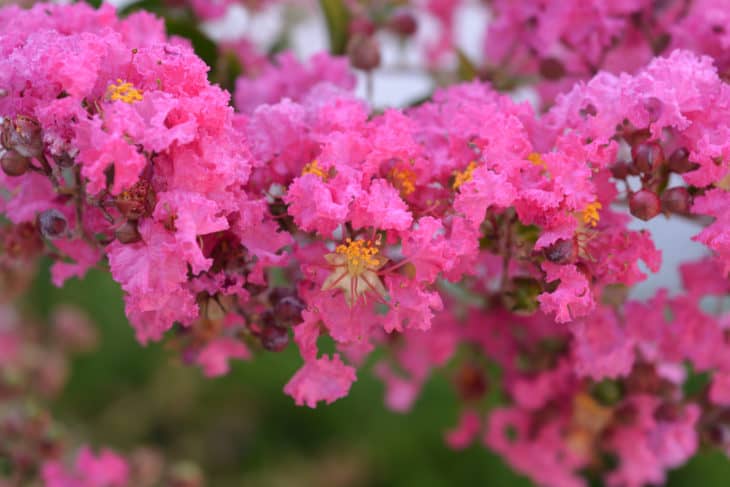
Crape myrtles deliver outstanding visual interest across multiple seasons. Their showy summer blooms—ranging from white and pink to red, purple, and coral—last for weeks and often rebloom if spent flowers are removed. The flowers are borne in large panicles, creating a striking display against the foliage.
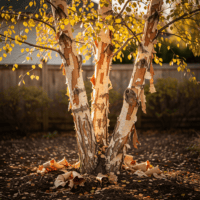
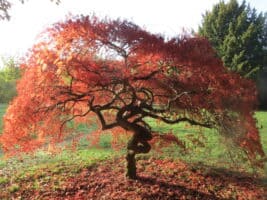
Beyond the blooms, crape myrtles offer exfoliating bark in shades of cinnamon, gray, and tan that adds winter interest, along with vibrant fall foliage in hues of orange, red, and yellow. This multi-season appeal makes them excellent specimen plants or focal points in the landscape.

2. Crape Myrtles Are Relatively Easy To Propagate (Especially From Cuttings)
Crape myrtles are among the easiest woody ornamentals to propagate at home, making them accessible for gardeners who want to expand their plantings or share with friends. The most reliable method is taking softwood or semi-hardwood cuttings in late spring or early summer.
Cuttings should be 4–6 inches long, taken from healthy new growth. Remove lower leaves, dip the cut end in rooting hormone, and insert into moist, well-draining medium such as perlite or a sand-peat mix. With consistent moisture and warmth, cuttings typically root within 4–8 weeks. This ease of propagation is a significant advantage for budget-conscious gardeners and those establishing hedges or mass plantings.
3. Crape Myrtles Can Be Fast-Growing Once Established
Once established, many crape myrtle cultivars grow quickly, adding 1–3 feet per year depending on the variety, soil quality, and growing conditions. Standard and large tree-form cultivars like ‘Natchez’ or ‘Muskogee’ can reach mature heights of 20–30 feet within a decade.
This relatively fast growth makes crape myrtles a practical choice for filling in new landscapes, providing shade, or creating privacy screens more quickly than slow-growing alternatives. However, growth rates do vary by cultivar—dwarf varieties grow more slowly and top out at 3–5 feet, while semi-dwarf and intermediate types fall in between.
4. Crape Myrtle Roots Are Generally Non-Aggressive (Lower Risk to Foundations/Sidewalks)
Crape myrtles have a fibrous, shallow root system that is not known for causing structural damage to foundations, sidewalks, driveways, or underground utilities. Their roots typically spread horizontally within the top 12–18 inches of soil and are relatively fine and non-invasive compared to large shade trees like oaks or maples.
This makes crape myrtles a safer choice for planting near homes, patios, and hardscaping. While it’s still good practice to plant them at least 5–10 feet away from structures to allow for mature canopy spread and air circulation, the risk of root damage is significantly lower than with many other landscape trees.
5. Many Cultivars Exist (Different Sizes, Flower Colors, and Disease Resistance)
One of the crape myrtle’s greatest strengths is the wide array of cultivars available, offering options for nearly any landscape need. Modern breeding programs have produced varieties ranging from 18-inch miniatures suitable for containers to 30-foot trees, with flower colors spanning white, pink, red, lavender, and purple.
Perhaps most importantly, many newer cultivars have been selected for improved disease resistance, particularly to powdery mildew. The National Arboretum’s introductions, including the Natchez, Muskogee, and Tuscarora series, are noted for their mildew resistance and overall vigor. This diversity allows gardeners to choose crape myrtles that match their aesthetic preferences, space constraints, and local disease pressures.
The 4 Cons Of Crape Myrtle Trees
Despite their popularity, crape myrtles come with several notable drawbacks that potential planters should consider. Some of these issues can be mitigated through cultivar selection or proper care, while others are inherent limitations of the species.
Related: Crape Myrtle Alternatives
1. Crape Myrtles Are Susceptible to Aphids and Crape Myrtle Bark Scale
Crape myrtles are particularly vulnerable to two major pests: aphids and crape myrtle bark scale (CMBS). Aphids feed on new growth and excrete honeydew, which encourages sooty mold growth that blackens leaves and stems, reducing photosynthesis and aesthetic appeal.
Crape myrtle bark scale, first detected in the U.S. in 2004, has become a more serious concern. These white or gray scale insects encrust branches and trunks, weakening plants over time and producing copious honeydew. CMBS is now established across much of the Southeast and continues to spread. Management requires systemic insecticides or horticultural oil applications, and infestations can be difficult to control once established. Both pests also attract secondary problems like ants and wasps drawn to the honeydew.

2. Crape Myrtles Are Prone to Powdery Mildew and Leaf Spot (Cultivar-Dependent)
Powdery mildew is the most common disease affecting crape myrtles, especially in humid climates or areas with poor air circulation. The fungus appears as a white or gray powdery coating on leaves, buds, and young shoots, often stunting growth and distorting new foliage. While rarely fatal, heavy infections reduce flowering and overall plant vigor.
Cercospora leaf spot is another frequent problem, causing dark spots on foliage that can lead to premature leaf drop in severe cases. Susceptibility varies widely by cultivar—many older varieties are highly prone to mildew, while disease-resistant introductions show significantly better performance. Choosing resistant cultivars and ensuring proper spacing for air circulation are key preventive strategies.
Related: Disease resistant trees
3. Cold Hardiness Is Limited (Winter Dieback in Colder Zones)
Most crape myrtle cultivars are reliably hardy only in USDA Zones 7–9, with some cold-hardy selections (like certain Lagerstroemia fauriei hybrids) tolerating Zone 6 conditions. In colder zones or during severe winters, crape myrtles may experience significant winter dieback, freezing to the ground and losing their tree-like structure.
While plants often resprout from the roots in spring, this annual dieback means they function more as herbaceous perennials than true trees in marginal climates. Flowering may be reduced or delayed since blooms form on new growth. Gardeners in Zone 6 and colder should choose cold-hardy cultivars, provide winter protection, or consider alternative flowering trees better suited to their climate.
4. Crape Myrtles Are Non-Native in the U.S. (Invasive/Native-Plant Concerns in Some Regions)
Crape myrtles (Lagerstroemia indica and L. fauriei) are native to East Asia, not North America. While they’re not currently listed as invasive in most states, they can self-seed and naturalize in warm, humid regions, raising concerns among conservationists and native plant advocates.
For gardeners prioritizing native plants to support local wildlife and ecosystems, crape myrtles offer limited ecological value compared to native alternatives. They provide minimal food for native pollinators, birds, and other fauna. In landscapes focused on ecological function and native biodiversity, species like native dogwoods, redbuds, or fringe trees may be more appropriate choices.
5. Heavy Bloom Drop, Seed Pods, and Bark/Leaf Litter Can Be Messy
Crape myrtles shed considerable organic material throughout the year. Spent flowers drop in mid to late summer, creating a carpet of petals beneath the tree. Later, seed capsules form and eventually drop, followed by leaf drop in fall and exfoliating bark year-round.
This seasonal litter can be a maintenance burden near patios, pools, driveways, or high-traffic areas where cleanliness is a priority. The debris requires regular raking or sweeping and may stain pavement if left to decompose. Gardeners who prefer low-maintenance, tidy landscapes should consider placement carefully or choose alternative trees with less seasonal litter.
6. “Crape Murder” Pruning Can Ruin Form and Reduce Flowering
One of the most common mistakes with crape myrtles is severe annual topping, colloquially known as “crape murder.” This practice involves cutting back all main branches to stubs each winter, resulting in weak, knobby growth, an unnatural silhouette, and reduced flower production.
Proper crape myrtle pruning is minimal: remove suckers, crossing branches, and spent flower clusters, but preserve the natural vase shape and branch structure. Severe topping is unnecessary and damaging, yet remains widespread due to misinformation. While this is technically a cultural issue rather than a flaw of the plant itself, the prevalence of improper pruning and its disfiguring effects are significant enough to be considered a practical drawback for homeowners unfamiliar with correct care.
Final Thoughts
Crape myrtles offer exceptional ornamental value, adaptability, and variety, making them well-suited for many southern and warm-temperate landscapes. However, they require thoughtful cultivar selection, attention to pest and disease pressures, appropriate climate matching, and proper pruning to perform at their best.
If you’re considering a crape myrtle, prioritize disease-resistant cultivars, ensure you’re in an appropriate hardiness zone, and commit to learning correct pruning techniques. For gardeners focused on native plants or those in colder regions, exploring alternatives may be worthwhile. When planted and maintained correctly, crape myrtles remain one of the most rewarding flowering trees for suitable climates.