
Key Facts
- Cool season annual legume grown for its edible seeds and sometimes edible pods.
- Includes both compact bush types and vining climbing types that need support.
- Fixes nitrogen through a symbiosis with Rhizobium bacteria.
- Best started from seed sown directly into cool soil early in the season.
- Prefers fertile, well drained soil with a near neutral pH.
- Performs best in full sun but tolerates some light afternoon shade.
- Vulnerable to fungal diseases in poorly drained or hot humid conditions.
- Common pests include aphids and pea weevil depending on region.
Garden Pea (Pisum sativum) is a cool season edible legume grown for fresh peas or sometimes eaten as pods. They come as compact bush types or vining climbers that need support and fix nitrogen for the soil through a Rhizobium partnership.
Identification
Pea Beans are annual legumes grown for their seeds and pods. Plants range from compact bush forms to long vining types that climb when given a trellis. They flower in spring into early summer for spring-sown crops and set pods that are harvested when plump.
Best uses and where to grow
Use pea beans in vegetable beds, fences, and edible borders where cool spring conditions prevail. Bush types are suitable for smaller plots and containers while vining types are ideal for vertical trellises or living fences. They perform best in full sun and tolerate light afternoon shade in hot climates.
Planting and spacing
Sow seeds directly into cool, workable soil early in the season since peas do not always transplant well. Space bush types roughly 12 to 24 inches apart. Vining types are usually confined by trellis width so plant to allow room for vertical training and easy harvesting.
Soil, sun and watering
Pea Beans prefer fertile, well drained soil with a near neutral pH around 6.0 to 7.5. Provide several hours of sun for best yields. Keep soil evenly moist while pods develop but avoid waterlogged conditions because poor drainage increases the risk of root rot and fungal disease.
Support and after-flowering care
Provide sturdy trellis or netting for vining varieties so vines can climb and pods are easier to harvest. After flowering maintain even moisture to help pods fill. Remember these plants fix nitrogen, so heavy nitrogen feeding is usually unnecessary and can reduce pod production.
Pests, diseases and prevention
Common pests include aphids and regional pests such as pea weevil. Hot, humid or poorly drained conditions increase fungal disease pressure. Reduce problems with good drainage, spacing to improve airflow and regular inspection so issues can be addressed early.
Containers and variety selection
Dwarf and compact varieties suit containers and small gardens while vining cultivars reach greater heights on supports. Typical heights vary from about 12 to 24 inches for dwarf types to 4 to 6 feet for climbing types trained on trellises. Choose type based on space and harvest method.
Frequently asked questions
- How fast does Pea Beans grow?
- Growth rate depends on cultivar and climate. Dwarf types reach their mature size earlier while vining types can climb to several feet during the season as temperatures moderate.
- When should I sow Pea Beans?
- Sow seeds directly into cool soil early in the season when soil can be worked. Peas are a cool season crop and tolerate light frost.
- How deep should I plant seeds?
- Follow the seed packet for depth guidance and sow outdoors where the plants will grow since peas do not always transplant well.
- Are Pea Beans safe for pets?
- Garden peas are not generally listed as toxic and are grown for food. Spoiled or moldy peas can cause gastrointestinal upset so consult local poison control for pet-specific concerns.
- Do Pea Beans need fertilizer?
- Peas fix nitrogen through a symbiosis with Rhizobium bacteria so heavy nitrogen fertilizer is usually unnecessary. Start with fertile, well drained soil for best yields.
Related Plants


Mentioned In (3)
Plants
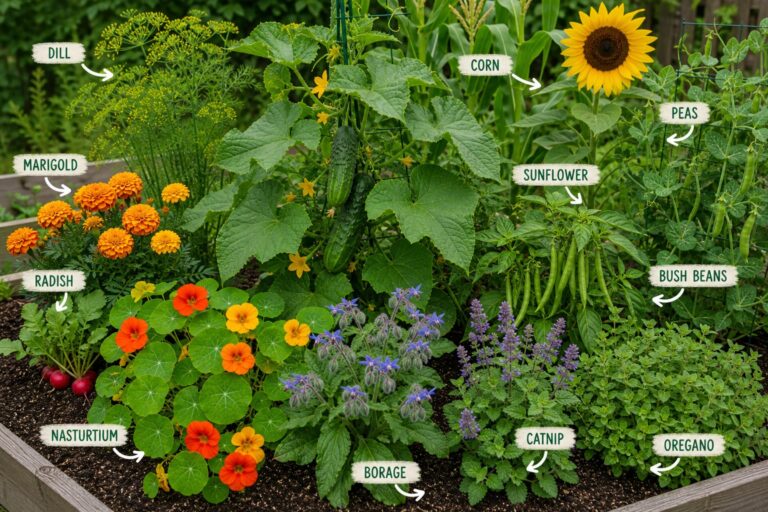
Companion Plants for Cucumber: What Works (and what Doesn’t)
Cucumber beetles are one of the most destructive forces in the vegetable garden — and they don't just eat foliage.…
Plants
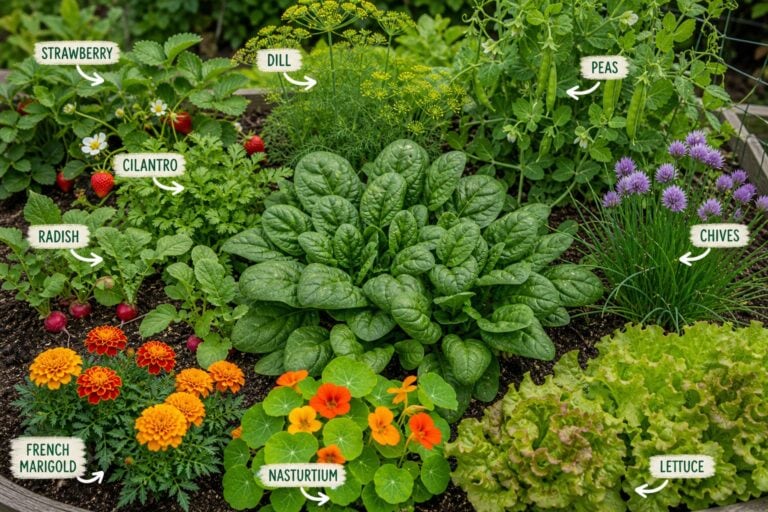
Companion Plants for Spinach: What Works and Why
Spinach growers fight a near-constant battle with leaf miners — tiny larvae that tunnel between the leaf surfaces and ruin…

Plants
8 Plants That Look Like Peas
Pea plants are known all over the world. These plants include edible and inedible varieties and are usually identified for…