
Plants
18 Poisonous Plants in Michigan (and What to Do After Contact)
The poisonous plants you are most likely to meet in Michigan are poison ivy, poison sumac, wild parsnip and giant hogweed, which burn or blister skin,

Plants
The poisonous plants you are most likely to meet in Michigan are poison ivy, poison sumac, wild parsnip and giant hogweed, which burn or blister skin,
Plants
The poisonous plants that cause the most trouble in Ohio are poison ivy and wild parsnip, which injure skin, and poison hemlock, which has spread along
Plants
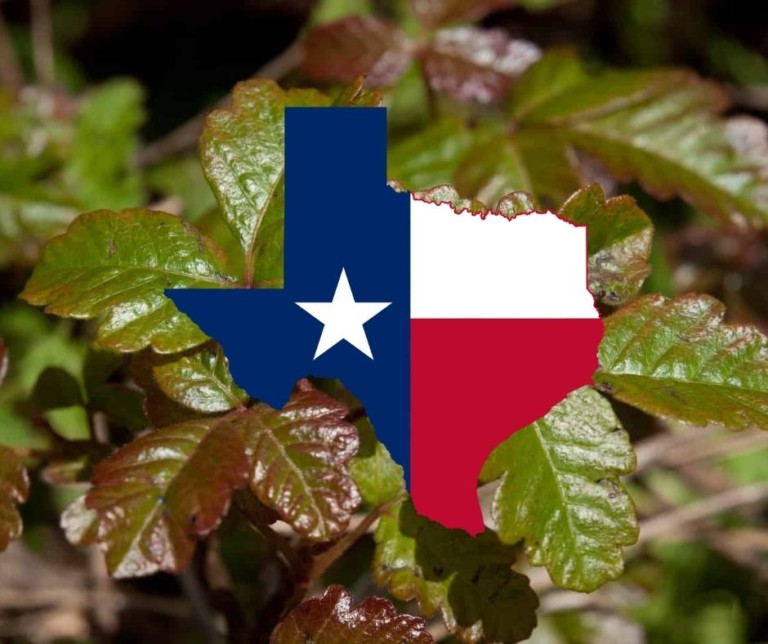
The poisonous plants you are most likely to meet in Texas are poison ivy, poison oak and Texas bull nettle, which hurt by touch, and a
Trees
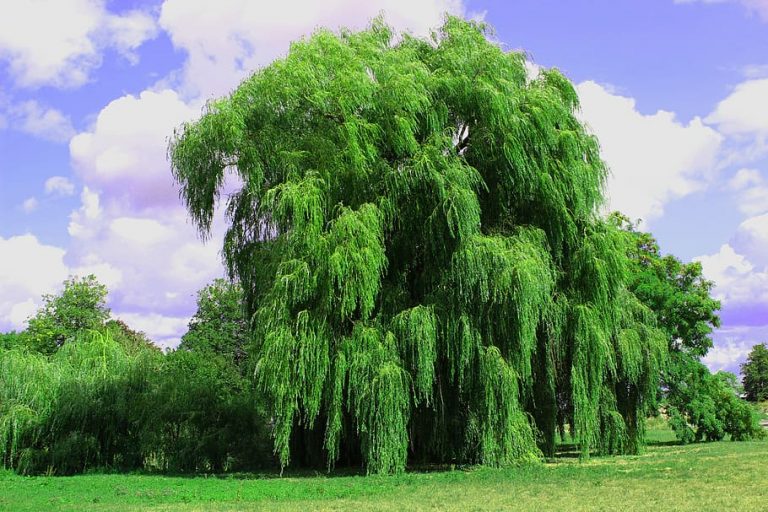
If you like the look of a weeping willow but don’t have room for one, the best alternatives are smaller weeping trees. For small yards, try
Trees
Weeping willows are graceful, grow very fast, love wet soil and give wide, cool shade. They are also big, thirsty trees with roots that find their
Trees
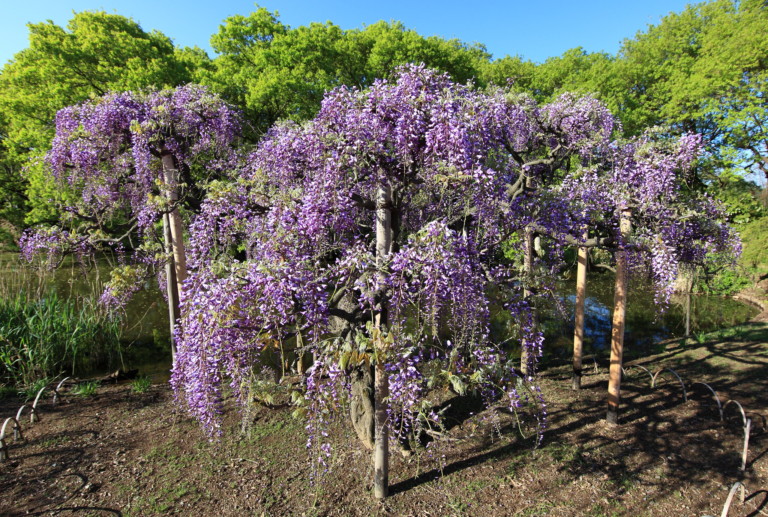
The tree that looks most like wisteria is the jacaranda, with clouds of lavender-blue flowers in late spring, but it only grows where winters are nearly

Trees
The best alternatives to arborvitae for a privacy screen depend on why arborvitae doesn’t suit you. If deer eat yours, try ‘Green Giant’ thuja, Taylor or

Trees
Italian cypress is an evergreen, very narrow, fast-growing tree that needs almost no pruning, handles heat and drought once established and lives for centuries. Its downsides

Trees
The Red Oak, species name Quercus rubra, is native to North America and Canada but has also been introduced to Western Europe, where it is grown
Trees
The River Birch, also known as Betula nigra, grows in moist places like stream and river banks, floodplains, and wetlands. It is a popular shade tree