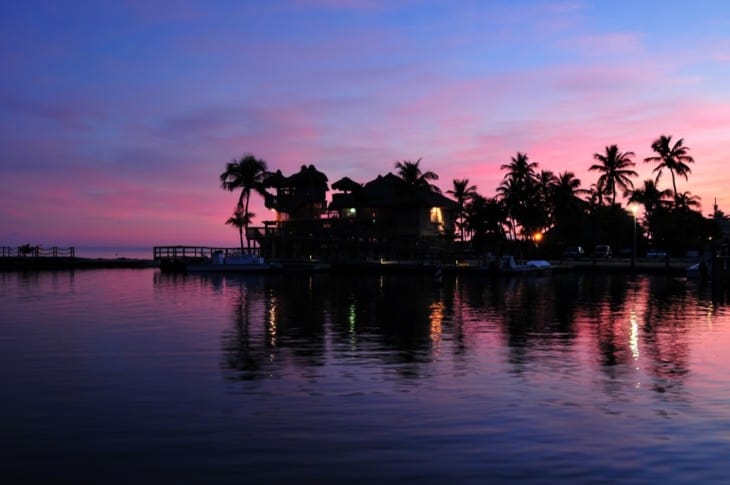
Florida spans a surprising range of climates. The Panhandle and North Florida (USDA zones 8 and 9) have frost most winters and share their trees with Georgia and Alabama: oaks, hickories, dogwoods and pines. Central Florida is a transition zone. South Florida and the Keys (zones 10 and 11) are nearly frost-free, and many Caribbean trees reach their northern limit there, such as gumbo limbo, mahogany and strangler fig. Because of that range, Florida has one of the richest native tree floras of any state.
Contents
- Common Native Trees in Florida
- Cabbage Palm (Sabal palmetto)
- Southern Live Oak (Quercus virginiana)
- Bald Cypress (Taxodium distichum)
- Slash Pine (Pinus elliottii)
- Longleaf Pine (Pinus palustris)
- Florida Maple (Acer floridanum)
- Sweetgum (Liquidambar styraciflua)
- Black Mangrove (Avicennia germinans)
- Buttonwood (Conocarpus erectus)
- Dahoon Holly (Ilex cassine)
- American Hornbeam (Carpinus caroliniana)
- Swamp Tupelo (Nyssa biflora)
- Common Persimmon (Diospyros virginiana)
- Farkleberry (Vaccinium arboreum)
- White Ash (Fraxinus americana)
- Red Buckeye (Aesculus pavia)
- Fringe Tree (Chionanthus virginicus)
- Devilwood (Osmanthus americanus)
- Flowering Dogwood (Cornus florida)
- Geiger Tree (Cordia sebestena)
- Florida Strangler Fig (Ficus aurea)
- West Indies Mahogany (Swietenia mahagoni)
- Gumbo Limbo (Bursera simaruba)
- Flowering Trees for Florida Gardens
- Southern Magnolia (Magnolia grandiflora)
- Eastern Redbud (Cercis canadensis)
- Crape Myrtle (Lagerstroemia indica)
- Royal Poinciana (Delonix regia)
- Jacaranda (Jacaranda mimosifolia)
- Golden Trumpet Tree (Handroanthus chrysotrichus)
- Pink Trumpet Tree (Tabebuia rosea)
- Purple Trumpet Tree (Handroanthus impetiginosus)
- Golden Shower Tree (Cassia fistula)
- Yellow Poinciana (Peltophorum pterocarpum)
- Hong Kong Orchid Tree (Bauhinia × blakeana)
- Floss Silk Tree (Ceiba speciosa)
- Weeping Bottlebrush (Melaleuca viminalis)
- Frangipani (Plumeria spp.)
- Taiwan Flowering Cherry (Prunus campanulata)
- Chaste Tree (Vitex agnus-castus)
- Princess Flower (Tibouchina urvilleana)
- Common Street Trees
This guide covers Florida’s most common native trees, the best flowering trees for Florida gardens, and a few widely planted street trees. For flowering trees, check the zones: a tree that thrives in Miami may be killed by frost in Tallahassee.
| Tree | Botanical name | Group | Native |
|---|---|---|---|
| Cabbage Palm | Sabal palmetto | Native | Yes |
| Southern Live Oak | Quercus virginiana | Native | Yes |
| Bald Cypress | Taxodium distichum | Native | Yes |
| Slash Pine | Pinus elliottii | Native | Yes |
| Longleaf Pine | Pinus palustris | Native | Yes |
| Florida Maple | Acer floridanum | Native | Yes |
| Sweetgum | Liquidambar styraciflua | Native | Yes |
| Black Mangrove | Avicennia germinans | Native | Yes |
| Buttonwood | Conocarpus erectus | Native | Yes |
| Dahoon Holly | Ilex cassine | Native | Yes |
| American Hornbeam | Carpinus caroliniana | Native | Yes |
| Swamp Tupelo | Nyssa biflora | Native | Yes |
| Common Persimmon | Diospyros virginiana | Native | Yes |
| Farkleberry | Vaccinium arboreum | Native | Yes |
| White Ash | Fraxinus americana | Native | Yes |
| Red Buckeye | Aesculus pavia | Native | Yes |
| Fringe Tree | Chionanthus virginicus | Native | Yes |
| Devilwood | Osmanthus americanus | Native | Yes |
| Flowering Dogwood | Cornus florida | Native | Yes |
| Geiger Tree | Cordia sebestena | Native | Yes (South FL) |
| Florida Strangler Fig | Ficus aurea | Native | Yes |
| West Indies Mahogany | Swietenia mahagoni | Native | Yes (South FL) |
| Gumbo Limbo | Bursera simaruba | Native | Yes (South FL) |
| Southern Magnolia | Magnolia grandiflora | Flowering | Yes |
| Eastern Redbud | Cercis canadensis | Flowering | Yes |
| Crape Myrtle | Lagerstroemia indica | Flowering | No |
| Royal Poinciana | Delonix regia | Flowering | No |
| Jacaranda | Jacaranda mimosifolia | Flowering | No |
| Golden Trumpet Tree | Handroanthus chrysotrichus | Flowering | No |
| Pink Trumpet Tree | Tabebuia rosea | Flowering | No |
| Purple Trumpet Tree | Handroanthus impetiginosus | Flowering | No |
| Golden Shower Tree | Cassia fistula | Flowering | No |
| Yellow Poinciana | Peltophorum pterocarpum | Flowering | No |
| Hong Kong Orchid Tree | Bauhinia × blakeana | Flowering | No |
| Floss Silk Tree | Ceiba speciosa | Flowering | No |
| Weeping Bottlebrush | Melaleuca viminalis | Flowering | No |
| Frangipani | Plumeria spp. | Flowering | No |
| Taiwan Flowering Cherry | Prunus campanulata | Flowering | No |
| Chaste Tree | Vitex agnus-castus | Flowering | No |
| Princess Flower | Tibouchina urvilleana | Flowering | No |
| Black Olive | Terminalia buceras | Planted | No |
| Fern Tree | Filicium decipiens | Planted | No |
Common Native Trees in Florida
Cabbage Palm (Sabal palmetto)
Read our guide to Cabbage Palm

Cabbage palm (sabal palm) is Florida’s state tree. It grows throughout the state, from coastal hammocks to inland flatwoods, usually 40 to 50 feet tall on a single trunk. It is extremely hardy to salt, drought, flooding and hurricanes, and it is often the last tree standing after a storm. The old leaf bases (“boots”) on the trunk often host ferns and other plants.
Southern Live Oak (Quercus virginiana)

Southern live oak grows throughout Florida and is the classic shade tree of the South: usually 40 to 60 feet tall but spreading 60 to 100 feet or more. Its stiff, oval leaves are shiny on top and stay on the tree year-round. It is very wind-firm, but large trees near homes should be professionally pruned before hurricane season.
Bald Cypress (Taxodium distichum)

Bald cypress grows in swamps, along rivers and around lakes across Florida and can reach 100 to 120 feet. Its swamps are home to alligators, turtles and wading birds. It is a deciduous conifer: its soft needles turn rusty orange and drop in fall and return in spring. Its close relative, pond cypress, grows in the round cypress “domes” of the flatwoods.
Slash Pine (Pinus elliottii)

Slash pine is the most common pine in Florida. It grows naturally in flatwoods throughout the state and is widely planted for timber and pine straw. It reaches 60 to 100 feet, with needles 5 to 11 inches long in bundles of two and three. The South Florida variety (var. densa) grows in the pine rocklands around Miami.
Longleaf Pine (Pinus palustris)

Longleaf pine once covered much of North and Central Florida in open, fire-maintained savannas, and only a small fraction survives today. It has the longest needles of any eastern pine, up to 18 inches, and its seedlings spend several years in a grass-like stage. Florida’s other native pines include loblolly, sand, spruce, shortleaf and pond pine. Pines drop cones and needles, so plant them away from pools and patios.
Florida Maple (Acer floridanum)

Florida maple (southern sugar maple) grows in rich hardwood forests in North and Central Florida, usually 30 to 60 feet tall. It is a southern relative of sugar maple, with smaller three- to five-lobed leaves that are pale underneath and turn yellow to orange in fall. Red maple is the other common native maple and is found farther south, into the Everglades.
Sweetgum (Liquidambar styraciflua)

Sweetgum grows in North and Central Florida, usually 50 to 70 feet tall. It has star-shaped leaves that are among the few in Florida to give real fall color. Its spiky seed balls are a nuisance in lawns, so fruitless cultivars such as ‘Rotundiloba’ are popular. The wood is used for furniture, crates and pallets.
Black Mangrove (Avicennia germinans)

Black mangrove grows in the salt flats and upper tidal zones of Florida’s coasts, north to about Cedar Key on the Gulf coast and St. Augustine on the Atlantic coast. In Florida it is usually a shrub or small tree under 30 to 40 feet, with dark bark and leaves that are often crusted with excreted salt. Hundreds of pencil-like breathing roots (pneumatophores) poke up from the mud around it. Florida’s mangroves are protected by state law.

Buttonwood grows on the landward edge of mangrove swamps in South and Central Florida, usually 15 to 30 feet tall. It tolerates salt, sand and full sun. The silver buttonwood form, with silky grey leaves, is a popular salt-tolerant hedge and small tree in coastal landscapes. It is named for its round, button-like seed heads.
Dahoon Holly (Ilex cassine)

Dahoon holly is a native evergreen holly of swamps and wet flatwoods, usually 20 to 30 feet tall. Its leaves are glossy and mostly smooth-edged, without the spines of American holly. Female trees produce heavy crops of red berries in winter, which feed robins and cedar waxwings. It also grows well in yards.
American Hornbeam (Carpinus caroliniana)

American hornbeam (ironwood or blue-beech) is a small, shade-tolerant tree of stream banks and moist hammocks in North and Central Florida, usually 20 to 35 feet tall. Its smooth grey trunk is fluted like a flexed muscle, and its finely toothed leaves turn yellow to orange in fall.
Swamp Tupelo (Nyssa biflora)

Swamp tupelo grows in swamps and wet flatwoods of North and Central Florida, usually 50 to 80 feet tall, often with a swollen, buttressed base in standing water. Its glossy oval leaves turn red early in fall, and its dark blue fruits feed birds and bears. Its flowers are a good nectar source for bees.
Common Persimmon (Diospyros virginiana)

Common persimmon grows throughout Florida except the Keys, in old fields, fencerows and open woods. It usually grows 20 to 50 feet tall. Its dark bark is broken into small square blocks. The orange fruits are very astringent until fully ripe and soft in fall, when they become sweet. They are a favorite of deer, raccoons and foxes.
Farkleberry (Vaccinium arboreum)

Farkleberry (sparkleberry) is the only tree-sized blueberry, usually 10 to 20 feet tall, found in sandy and dry woods in North and Central Florida. It has small, shiny leaves that turn red in fall, peeling reddish bark, and small white bell flowers in spring. Its black berries are edible but dry and are eaten mostly by birds.
White Ash (Fraxinus americana)

White ash reaches its southern limit in North Florida’s hardwood forests and can grow 60 to 80 feet tall. It has compound leaves 8 to 12 inches long, with 5 to 9 leaflets, and grey, diamond-ridged bark. Florida’s more common ashes are Carolina ash and pumpkin ash, which grow in swamps.
Red Buckeye (Aesculus pavia)

Red buckeye is a native shrub or small tree, 10 to 20 feet tall, of hardwood forests in North and Central Florida. In early spring it bears spikes of tubular red flowers, one of the first reliable food sources for returning ruby-throated hummingbirds. Its leaves are palmately compound, with five leaflets. It drops its leaves early in fall. The seeds are poisonous.
Fringe Tree (Chionanthus virginicus)

Fringe tree (grancy greybeard) is a small native tree, 12 to 20 feet tall, of North and Central Florida. In spring it is covered with fragrant, fringe-like white flowers, and female trees then bear dark blue fruits that birds eat. It is an excellent small yard tree.
Devilwood (Osmanthus americanus)

Devilwood (wild olive) is a native evergreen shrub or small tree, 15 to 25 feet tall, related to tea olive. It has glossy, leathery, lance-shaped leaves and small, fragrant cream flowers in early spring, followed by dark blue olive-like fruits. It is pest-resistant and makes a good native screen.
Flowering Dogwood (Cornus florida)

Flowering dogwood is native to North and Central Florida, roughly as far south as Tampa and Orlando. It is a small tree, 15 to 30 feet tall. White bracts surround its tiny flowers in early spring, and in fall it has red leaves and red berries that birds devour. It needs part shade and well-drained soil and struggles in South Florida’s heat.
Geiger Tree (Cordia sebestena)

Geiger tree is a small evergreen tree, up to about 25 feet tall, of the Florida Keys and the Caribbean. It is usually considered native to the Keys. It bears clusters of bright orange flowers almost all year and tolerates salt, wind and drought, but not frost, so it is only suitable for South Florida. John James Audubon painted it on a Key West tree owned by John Geiger, which is how it got its common name.
Florida Strangler Fig (Ficus aurea)

Florida strangler fig grows in the hammocks of Central and South Florida. It usually starts life as a seed dropped by a bird high in another tree, often a cabbage palm, and sends roots down to the ground. Those roots gradually engulf and replace its host. A mature tree can reach 60 feet with a wide crown, and its small figs feed many birds.
West Indies Mahogany (Swietenia mahagoni)

West Indies mahogany is native to the tropical hammocks of extreme South Florida and the Keys, and it is widely planted as a shade and street tree in South Florida. It grows 40 to 60 feet tall, sometimes more, with compound leaves of glossy, leathery leaflets. Its egg-shaped fruits split open to release winged seeds. Its wood is the original “true mahogany”.
Gumbo Limbo (Bursera simaruba)

Gumbo limbo is a native tree of South Florida’s hammocks, recognizable by its peeling, copper-red bark, which earned it the nickname “tourist tree” (red and peeling). It grows fast, can reach 40 to 50 feet, and is very wind-resistant. Its branches are so easy to root that a cut limb stuck in the ground will grow into a new tree.
Flowering Trees for Florida Gardens
Florida can grow a huge range of flowering trees, but most tropical ones survive only in Central and South Florida. The zone notes below tell you where each one does well. Avoid invasive ornamentals such as Brazilian pepper, orchid tree (Bauhinia variegata) and Chinese tallow, which are all listed by the Florida Invasive Species Council.
Southern Magnolia (Magnolia grandiflora)
Read our guide to Southern Magnolia

Southern magnolia is native to North and Central Florida and grown throughout the state. It is an evergreen, 60 to 80 feet tall, with large, glossy leaves and huge, fragrant white flowers in late spring and early summer. ‘Little Gem’ is a compact form, 15 to 25 feet tall, for smaller yards. Zones 7 to 10.
Eastern Redbud (Cercis canadensis)

Eastern redbud is a small native tree, 20 to 30 feet tall, of North and Central Florida. Its bare branches are covered in rosy-pink flowers in late winter, followed by heart-shaped leaves. It does best in part shade and well-drained soil. Zones 4 to 9.
Crape Myrtle (Lagerstroemia indica)

Crape myrtle is the summer-flowering tree of North and Central Florida, with crinkled flowers in white, pink, red or purple and smooth, peeling bark. Dwarf varieties stay 4 to 8 feet tall and tree forms reach 20 to 30 feet. Choose mildew-resistant cultivars, and don’t “top” the trees. Zones 7 to 10.
Royal Poinciana (Delonix regia)

Royal poinciana is the showpiece of South Florida in late spring and early summer, with a wide umbrella crown covered in scarlet-orange flowers. It grows 30 to 40 feet tall and even wider. Its roots are aggressive and its long seed pods are messy, so give it room. Frost-tender: South Florida only (zones 10 to 11).
Jacaranda (Jacaranda mimosifolia)

Jacaranda is a South American tree, 25 to 40 feet tall, that covers itself in lavender-blue trumpet flowers in late spring. It has finely divided, fern-like leaves. It flowers best in full sun and sandy soil. It is hardy in Central and South Florida (zones 9b to 11) and may be frost-damaged farther north.
Golden Trumpet Tree (Handroanthus chrysotrichus)

Golden trumpet tree (yellow tabebuia) is a small South American tree, 15 to 25 feet tall. For a week or two in early spring it covers its bare branches in bright yellow trumpet flowers. It is drought-tolerant. Zones 9b to 11.
Pink Trumpet Tree (Tabebuia rosea)

Pink trumpet tree (pink poui) is a larger tabebuia, 30 to 50 feet tall, with clusters of pale pink to lavender trumpet flowers in spring. It is a popular street and yard tree in South Florida. Zones 10 to 11.
Purple Trumpet Tree (Handroanthus impetiginosus)

Purple trumpet tree (pink ipê) is a medium tree, 25 to 35 feet tall, that flowers magenta-pink on bare branches in late winter and early spring. It is drought-tolerant once established. Zones 10 to 11.
Golden Shower Tree (Cassia fistula)

Golden shower tree is a tropical tree, 30 to 40 feet tall, with long, hanging clusters of bright yellow flowers in late spring and summer. They are followed by long, dark seed pods. It is the national tree of Thailand. Frost-tender: South Florida only (zones 10 to 11).
Yellow Poinciana (Peltophorum pterocarpum)

Yellow poinciana (yellow flame tree) is a fast-growing shade tree, 40 to 50 feet tall, with fern-like leaves. It bears upright clusters of fragrant yellow flowers in summer, followed by rust-colored pods. Zones 10 to 11.
Hong Kong Orchid Tree (Bauhinia × blakeana)

Hong Kong orchid tree bears large, fragrant, orchid-like flowers in rose-purple from fall through spring. It grows 20 to 40 feet tall. Because it is a sterile hybrid, it does not produce seed and does not spread, unlike the invasive orchid tree Bauhinia variegata. Zones 9b to 11.
Floss Silk Tree (Ceiba speciosa)

Floss silk tree is a South American tree, 30 to 50 feet tall, with a green, bottle-shaped trunk studded with thick thorns. In fall it bears showy pink flowers, followed by pods full of silky floss. It is hardy to about 25°F once established. Zones 9b to 11.
Weeping Bottlebrush (Melaleuca viminalis)

Weeping bottlebrush is an Australian tree, 20 to 30 feet tall, with drooping branches and red, bottlebrush-shaped flower spikes much of the year. Hummingbirds and butterflies visit the flowers. It is not the same as the invasive melaleuca (punk tree) of the Everglades. Zones 9b to 11.
Frangipani (Plumeria spp.)

Frangipani (plumeria) is a small, succulent-branched tree, 10 to 25 feet tall, grown for its very fragrant flowers in white, yellow, pink or red, from late spring to fall. It drops its leaves in winter. It is frost-tender, so in Central Florida grow it in a pot that can be moved inside. Zones 10 to 11.
Taiwan Flowering Cherry (Prunus campanulata)

Taiwan flowering cherry is one of the few flowering cherries that blooms reliably in Florida’s mild winters. Its bell-shaped, deep pink flowers open in late winter. It grows 20 to 25 feet tall and suits North and Central Florida (zones 7 to 9). It can self-seed, so remove seedlings.
Chaste Tree (Vitex agnus-castus)

Chaste tree is a multi-stemmed shrub or small tree, 10 to 20 feet tall, with aromatic, hand-shaped leaves and spikes of lavender-blue flowers in summer that attract butterflies and bees. It is drought-tolerant and grows in North and Central Florida (zones 7 to 10).
Princess Flower (Tibouchina urvilleana)

Princess flower (glory bush) is a Brazilian shrub or small tree, 10 to 15 feet tall, with velvety leaves and vivid royal-purple flowers from summer through fall. It needs moist, acidic soil and protection from frost. It suits Central and South Florida (zones 9b to 11).
Common Street Trees
Black Olive (Terminalia buceras)
Florida’s “black olive” is not an olive tree at all. It is Terminalia buceras (formerly Bucida buceras), a Caribbean shade tree widely planted along South Florida streets and in parking lots, 30 to 40 feet tall with layered branches. It produces no olives, but its sticky, tannin-rich fruit can stain cars and pavement, so keep it away from driveways.
Fern Tree (Filicium decipiens)

Fern tree (Japanese fern tree) is not Japanese. It comes from East Africa, Madagascar, India and Sri Lanka. It is a slow-growing tree, usually 20 to 30 feet tall in Florida, with a dense, rounded crown of glossy, fern-like leaves. It is a tidy street and yard tree in South Florida. It is frost-tender (zones 10 to 11).