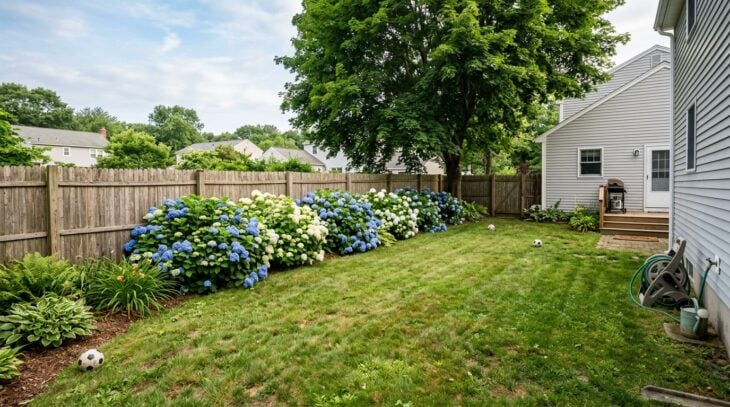
Hydrangeas range from a mountain hydrangea (Hydrangea serrata) of 2 to 4 feet (0.6 to 1.2 m) to a panicle hydrangea (Hydrangea paniculata) that can reach 25 feet (7.5 m). Most carry big flower clusters with showy sterile florets.
That range is why the pros and cons depend on which one you plant. Bigleaf hydrangea (Hydrangea macrophylla) is the classic blue-or-pink mophead, and it causes most of the grief: wilting in afternoon sun, deer, and flower buds that freeze in cold winters. Panicle hydrangea (Zones 3–8) and smooth hydrangea (Hydrangea arborescens, Zones 3–9) are the tougher choices.
Each pro and con below names the species it applies to. The facts come from extension services in South Carolina, North Carolina, Pennsylvania, New Hampshire and New Jersey, so they hold up across more than one climate.
Pros Of Hydrangeas
Hydrangeas Bloom With Huge Flower Heads for Months

Smooth hydrangea (Hydrangea arborescens), sold as snowball hydrangea, blooms from May to July, with scattered flowers continuing into September. Panicle hydrangea (Hydrangea paniculata) flowers through summer into fall in clusters 6 to 8 inches (15 to 20 cm) long that fade from creamy white to pink, then tan.
Reblooming bigleaf cultivars add a second flush later in summer on new growth. That makes hydrangeas a good pick for gardeners who want one shrub to carry the yard through summer.
There Is a Hydrangea for Almost Every US Climate
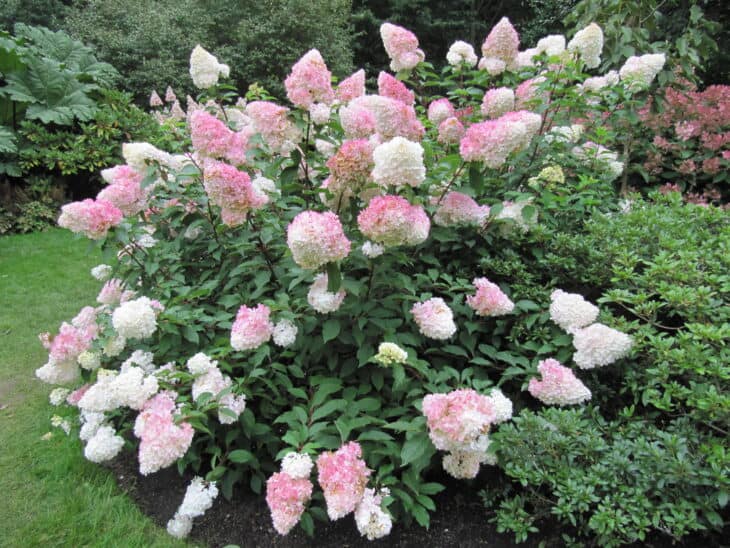
Panicle hydrangea (Hydrangea paniculata) is listed for Zones 3–8, tolerates harsh winters and blooms on new wood, so its flower buds aren’t carried through winter on bare stems. Smooth hydrangea is listed for Zones 3–9 and also blooms on new growth.
Penn State names smooth, oakleaf and panicle hydrangeas as the hardy alternatives where bigleaf buds freeze. That makes them the answer for gardeners in Zones 3–5, and for anyone whose bigleaf never blooms.
Several Hydrangeas Bloom in Part Shade
Bigleaf hydrangea does best in dappled sun to partial shade, smooth hydrangea wants partial shade, and oakleaf hydrangea (Hydrangea quercifolia) takes full sun to part shade. NC State lists bigleaf, smooth and mountain hydrangea among its shade garden plants.
Shade has a limit. Clemson lists excessive shade among the causes of bloom failure, so aim for 2 to 6 hours of direct sun rather than a dark corner. Panicle hydrangea is the exception and prefers sun.
A spot with morning sun and afternoon shade suits most types, like the east side of a house or a shade garden border.
Bigleaf Hydrangea Flower Color Shifts With Soil Acidity
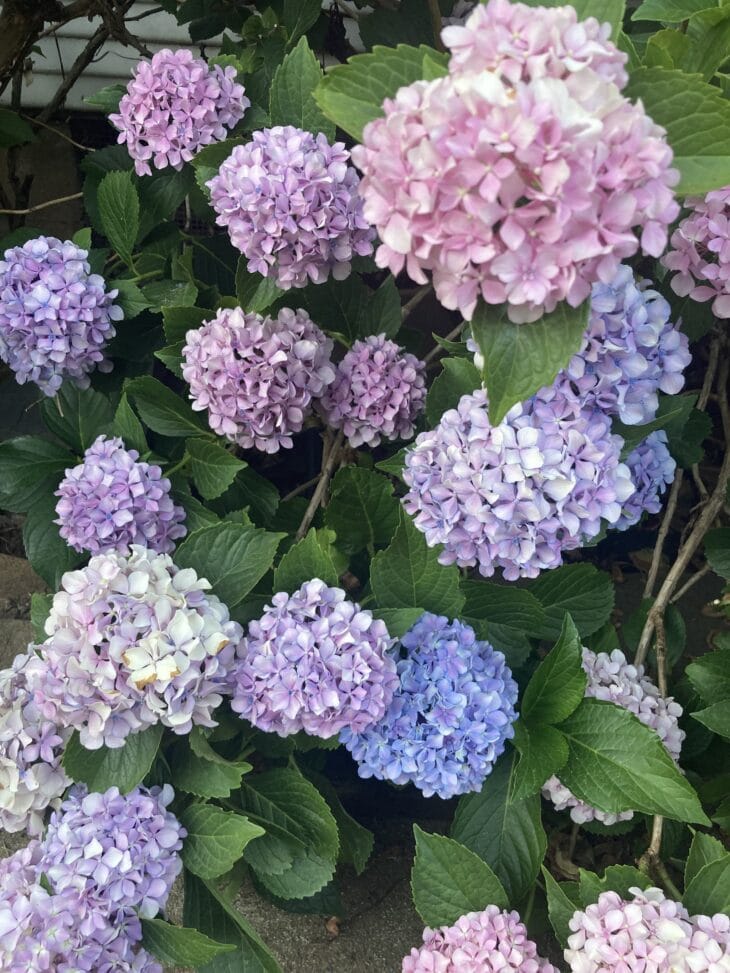
Bigleaf hydrangea (Hydrangea macrophylla) flowers are blue in acidic soil and pink in alkaline soil. Clemson puts blue at pH 5.0 to 5.5 and pink at pH 6.0 and up, and says the change comes from aluminum compounds in the flowers. Soil in between tends to give purple.
To hold blue, Clemson says to apply sulfur or aluminum sulfate when new growth emerges in April, and the product label sets the rate. Mountain hydrangea shifts the same way, but smooth hydrangea’s color is not affected by soil pH, so don’t expect to steer it.
Native Hydrangeas Feed Pollinators and Moth Larvae
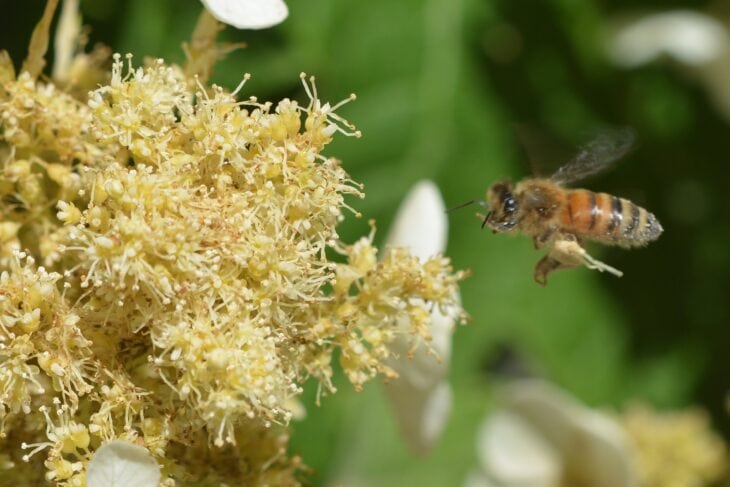
Smooth hydrangea is native to the eastern US. It attracts butterflies, moths, pollinators and songbirds, and it is the host plant of the hydrangea sphinx moth. Oakleaf hydrangea is native to the Southeast, where butterflies and other insects visit its flowers and songbirds eat the seeds.
Not every hydrangea helps: the fruit of panicle hydrangea doesn’t attract wildlife. Native bees nest in dead hollow bigleaf stems, so NC State suggests cutting dead stems back to 12 to 24 inches (30 to 60 cm) and leaving them standing. Smooth and oakleaf fit a pollinator garden best.
Oakleaf Hydrangea Looks Good in Fall and Winter
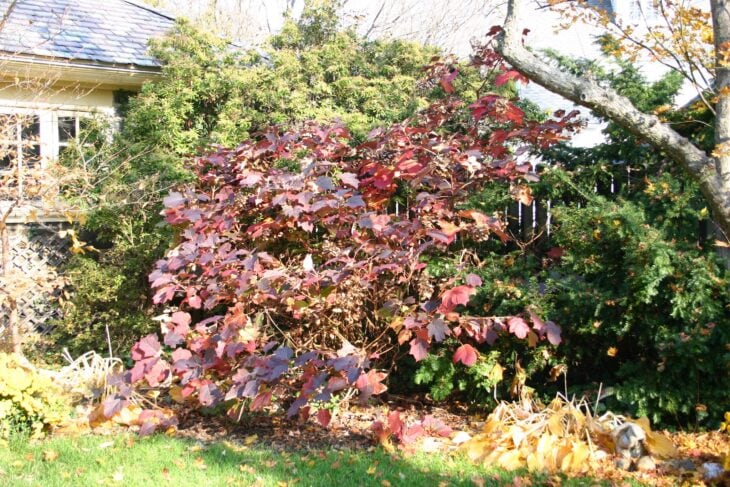
Oakleaf hydrangea has oak-shaped leaves that turn wine, orange and mahogany in fall. In winter, older branches peel to show cinnamon-colored bark beneath a brown papery layer, which NC State calls an interesting texture.
The flowers fade from white to pink and then tan as fall arrives. Growth is slow and the shrub is listed for Zones 5–9, so it suits gardeners who want fall and winter interest from a flowering shrub.
Cons Of Hydrangeas
Bigleaf Hydrangeas Often Lose Their Flower Buds to Winter
Bigleaf, mountain and oakleaf hydrangeas bloom on old wood, so their flower buds ride out winter on bare stems. Clemson says the most common reason hydrangeas fail to bloom is winter injury. Penn State says the flower buds or stems of florist-type bigleaf hydrangeas freeze in Pennsylvania each year, destroying the future flowers.
Labels don’t fully fix it. UNH says the Endless Summer series is touted as hardy to Zone 4, yet harsh New Hampshire winters often kill its buds, and the original blooms on new growth only inconsistently.
Prune bigleaf only after flowering and never after August 1, because cutting it back between fall and early spring removes the flowers. The dependable fix is a species that blooms on new wood, such as panicle or smooth hydrangea. Heavy snow cover or a burlap wrap may protect bigleaf buds, but UNH says even those measures aren’t always effective.
Hydrangeas Are Thirsty and Wilt in Hot Afternoon Sun
Bigleaf hydrangea wants moist, well-drained soil and shelter from hot, exposed sites. Clemson says afternoon shade prevents wilting and flower loss, and that consistent watering is essential to prevent leaf scorch.
Clemson advises watering deeply once a week, more often in dry spells and twice a week in sandy soil. Mulch helps, especially for shallow-rooted panicle hydrangea, which is also the most sun-tolerant species. Oakleaf hydrangea is listed as drought and dry soil resistant.
Deer Browse Hydrangeas
Rutgers rates bigleaf hydrangea C on its deer-resistance scale, meaning occasionally severely damaged. The scale runs from A (rarely damaged) to D (frequently severely damaged), and Rutgers is clear that no plant is deer proof.
Rutgers advises protecting plants rated C or D with fencing or repellents, and any repellent follows its label. That rating is for bigleaf, and other species may fare differently.
Hydrangeas Are Toxic to Dogs, Cats and Horses
The ASPCA lists hydrangea as toxic to dogs, cats and horses, with cyanogenic glycoside as the toxic principle. Signs are vomiting, depression and diarrhea, and the ASPCA says cyanide poisoning is rare and usually shows up as a gastrointestinal upset.
NC State lists the bark, flowers and leaves as the poisonous parts of bigleaf and oakleaf hydrangea and rates the severity low, with nausea, stomach pain, vomiting and sweating possible if a person eats a large quantity. Keep chewing pets and small children away from the shrub, and call a veterinarian if an animal eats it.
Heavy Blooms Flop and Some Hydrangeas Outgrow Their Spot
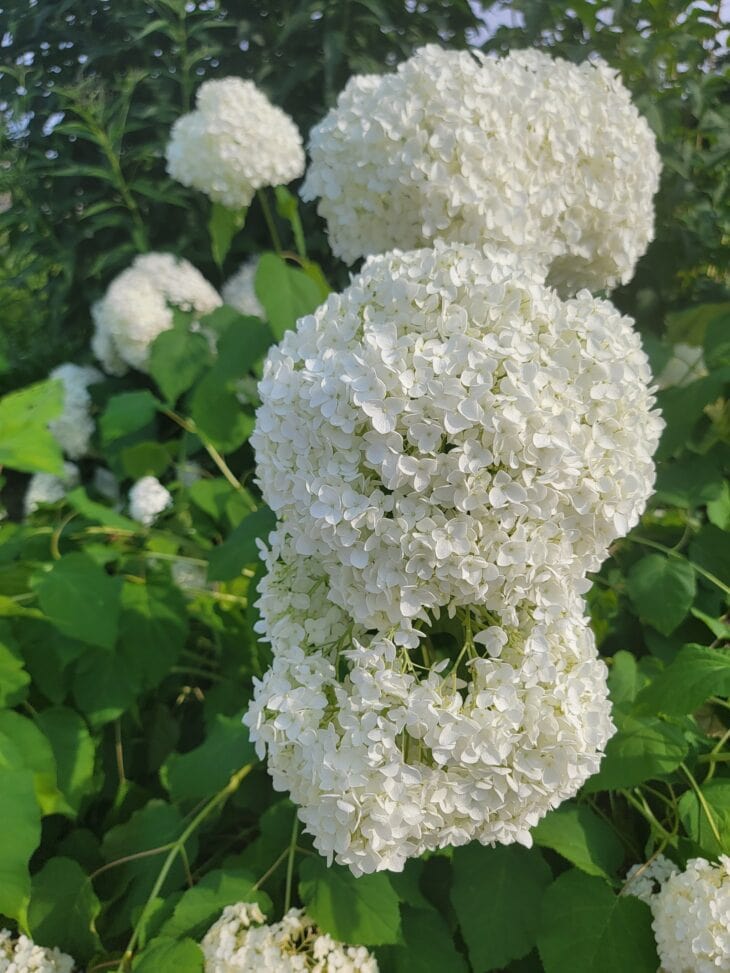
After a heavy rain, the stems holding smooth hydrangea’s big clusters bend and droop, NC State notes, and panicle hydrangea stems also tend to droop under the weight of the flowers. Panicle hydrangea grows fast to 8 to 15 feet (2.5 to 4.5 m) and can reach 25 feet (7.5 m) as a small tree.
Smooth hydrangea can be cut back close to the ground in late winter, and panicle hydrangea can be pruned severely then or in spring because it blooms on new growth. Check the mature size on the plant tag: smooth hydrangea reaches 3 to 5 feet (0.9 to 1.5 m) and mountain hydrangea 2 to 4 feet (0.6 to 1.2 m).
Are Hydrangeas Right For You?
Hydrangeas reward gardeners who have a spot with morning sun and afternoon shade, moist, well-drained soil rich in organic matter, and a hose within reach. Match the species to your zone: panicle (Zones 3–8) or smooth (Zones 3–9) in cold climates, oakleaf (Zones 5–9) in the middle range, and bigleaf (listed for Zones 6–11) where winters don’t freeze its buds.
They are a poor fit if you garden in a cold zone and want bigleaf blooms, if your only spot is hot, exposed sun with no way to water, or if it is a dark corner. They also disappoint where deer are common and you won’t fence, and in yards where dogs, cats or horses chew shrubs.
If bigleaf keeps failing, try panicle hydrangea, which tolerates full sun and harsh winters, or smooth hydrangea, which tolerates hard pruning. For a non-hydrangea shrub in part shade and moist soil, Virginia sweetspire (Itea virginica) is a native for Zones 5–9 that NC State lists as deer resistant (resistant, not deer proof), though it spreads by root suckers into dense colonies.
Frequently Asked Questions
Where should you not plant hydrangeas?
Avoid hot, exposed sites with all-day afternoon sun for bigleaf hydrangea, because afternoon shade prevents wilting and flower loss. Avoid deep shade too, since excessive shade is one cause of bloom failure. Panicle hydrangea is the exception that wants sun, and all five landscape species want good drainage.
What happens if you don’t trim back hydrangeas?
On bigleaf, mountain and oakleaf, which bloom on old wood, little is lost by leaving them alone: the real risk is pruning, which can cut off next year’s buds. Remove only dead or weak stems, and prune right after flowering. Panicle and smooth hydrangeas bloom on new wood, so late-winter pruning is safe for them.
Is hydrangea high maintenance?
It depends on the species. Bigleaf hydrangea is the demanding one: it wants steady water, afternoon shade and careful pruning timing, and in cold regions its buds are often lost to winter. UNH calls smooth hydrangea the naturally easy-care choice, since it tolerates aggressive pruning and reliably blooms on new growth.
Why do people love hydrangeas so much?
The flower heads are huge and last for months, from May on smooth hydrangea and into fall on panicle hydrangea. Several types bloom in part shade, and bigleaf hydrangea can be blue or pink depending on soil acidity. Reblooming bigleaf cultivars add a second flush on new wood.