Trees
Trees of Indiana: 30 Common Native Trees (and 1 Not to Plant)
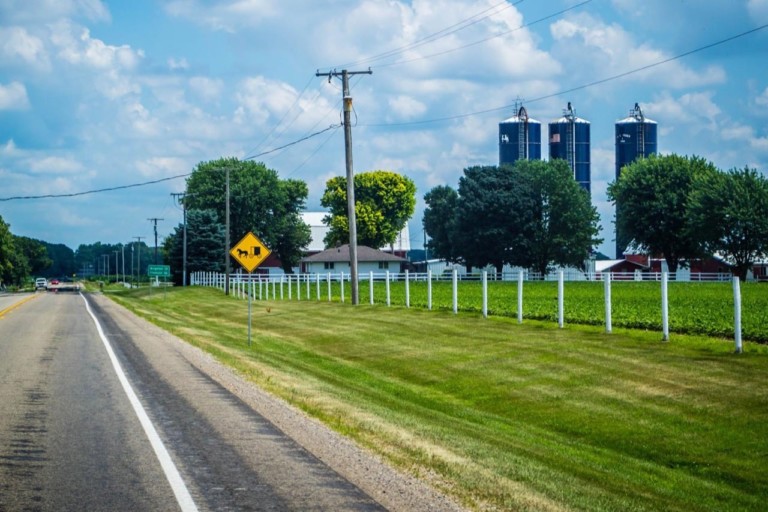
About a fifth of Indiana is forest, most of it in the hilly south, where the Hoosier National Forest and many state forests are covered in

Trees
About a fifth of Indiana is forest, most of it in the hilly south, where the Hoosier National Forest and many state forests are covered in
Trees
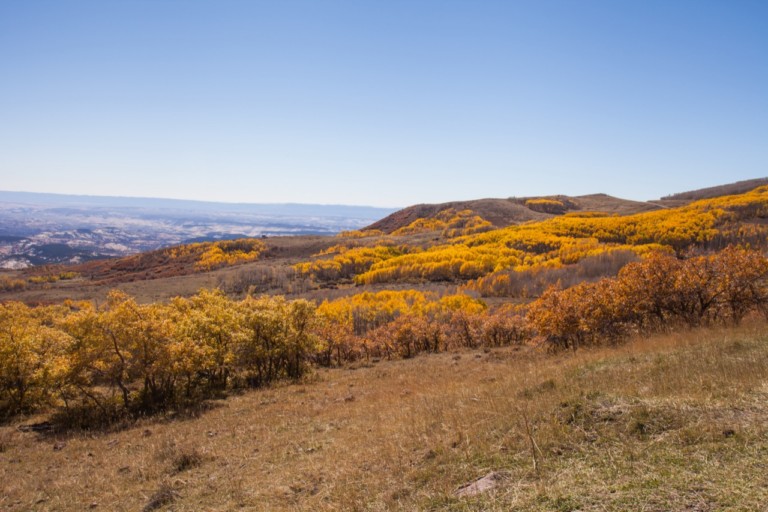
Utah’s most common trees change with elevation. Utah juniper and pinyon pine cover more of the state than any other forest type, on the dry foothills
Trees
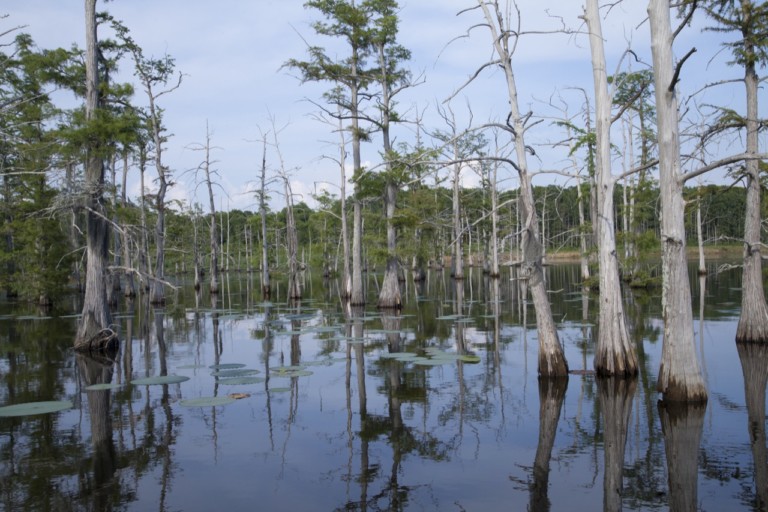
The most common trees in Louisiana are loblolly pine, sweetgum, water oak, red maple, sugarberry, bald cypress and water tupelo, with longleaf and slash pines on

Trees
South Carolina runs from the Blue Ridge in the Upstate, across the Piedmont and the Sandhills, down to the Lowcountry marshes. The trees change with it:

Trees
Florida spans a surprising range of climates. The Panhandle and North Florida (USDA zones 8 and 9) have frost most winters and share their trees with

Trees
The most common trees in Los Angeles are street and yard trees from other warm-climate countries: jacaranda, coral tree, Indian laurel fig, camphor, southern magnolia, Canary

Trees
New England is the most heavily forested region in the United States. About 80% of the six states is covered in trees, and Maine, at close
Trees
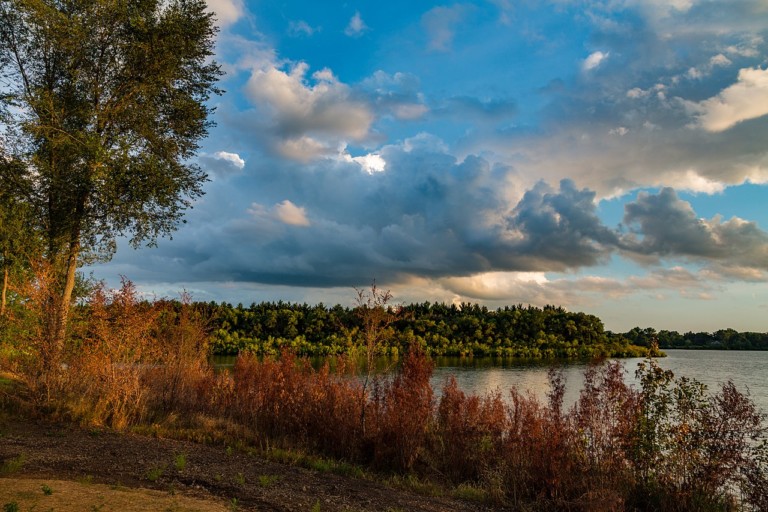
The most common trees in Iowa are silver maple, eastern cottonwood, bur oak, hackberry, American elm, green ash, black walnut, boxelder, bitternut hickory and eastern red
Trees
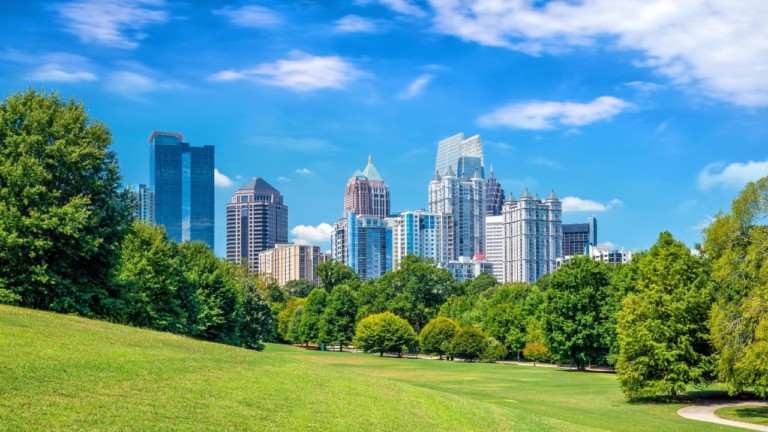
Georgia runs from the Blue Ridge and the Ridge and Valley in the north, across the Piedmont, down to the Coastal Plain and the barrier islands.

Trees
Arizona is not just desert. Its elevation ranges from about 70 feet near Yuma to over 12,600 feet on Humphreys Peak, and the trees change with