Creating a butterfly-friendly garden starts with choosing the right plants. Butterflies need two kinds of plants: nectar sources for adult butterflies and host plants where caterpillars can feed and grow.
Contents
- 1. Sweet Alyssum (Lobularia maritima)
- 2. Native Asters (Symphyotrichum spp.)
- 3. Coneflower (Echinacea spp.)
- 4. Fennel (Foeniculum vulgare)
- 5. Milkweed (Asclepias spp.)
- 6. Goldenrod (Solidago spp.)
- 7. Hollyhock (Alcea rosea)
- 8. Lavender (Lavandula spp.)
- 9. Zinnia (Zinnia spp.)
- 10. Oregano (Origanum vulgare)
- 11. Sage (Salvia spp.)
- 12. Native Carrot Family Flowers (Apiaceae)
- Creating a Complete Butterfly Garden
This guide covers ten proven plants that attract butterflies to your garden, including both nectar-rich flowers and essential larval host plants. Whether you’re planting a dedicated butterfly garden or simply want to see more butterflies in your yard, these plants offer reliable results across most growing zones.
1. Sweet Alyssum (Lobularia maritima)
Read our guide to Sweet Alyssum

Sweet alyssum is a low-growing annual that produces masses of tiny, fragrant flowers in white, pink, or purple. The small clustered blooms provide accessible nectar for butterflies and many other pollinators throughout the growing season.
Why butterflies love it: The nectar-rich flowers are easy for butterflies to access, and the plant blooms continuously from spring through fall with deadheading. It’s especially attractive to smaller butterfly species and serves as a nectar source rather than a host plant.
Growing requirements: Sweet alyssum thrives in full sun to partial shade and tolerates poor soil as long as drainage is good. It’s cold-hardy and can handle light frosts. Plants grow 4–6 inches tall and spread 6–12 inches, making them ideal for edging, containers, or filling gaps between larger plants. Water moderately and avoid overwatering.
Best use: Plant sweet alyssum as a ground cover beneath taller butterfly plants or along walkways where its fragrance and continuous bloom can be appreciated.
2. Native Asters (Symphyotrichum spp.)

Native asters are essential late-season nectar sources for migrating butterflies, including monarchs. These perennials produce daisy-like flowers in shades of purple, blue, pink, and white, typically blooming from late summer through fall when many other flowers have finished.
Why butterflies love it: Asters provide critical nectar during fall migration when butterflies need to build energy reserves. The open flower structure makes nectar easily accessible. Native species support local butterfly populations better than non-native ornamental asters.
Growing requirements: Most native asters prefer full sun and average to moist, well-drained soil. They’re hardy in USDA zones 3–8, depending on species. Plants range from 1 to 4 feet tall. New England aster (Symphyotrichum novae-angliae) and aromatic aster (Symphyotrichum oblongifolium) are particularly reliable. Cut back in early summer to promote bushier growth and more flowers.
Best use: Plant asters in groups in the middle or back of borders. Their fall bloom time complements spring and summer butterfly plants, ensuring nectar availability throughout the season.
3. Coneflower (Echinacea spp.)
Read our guide to Pink Coneflower
Read our guide to Yellow Coneflower

Purple coneflower and other Echinacea species are among the most reliable butterfly magnets in the garden. These North American natives produce large, daisy-like flowers with prominent central cones surrounded by drooping petals in purple, pink, white, yellow, or orange.
Why butterflies love it: The large, sturdy landing platform and abundant nectar make coneflowers ideal for butterflies of all sizes. Swallowtails, fritillaries, skippers, and many other species visit regularly. The long bloom period provides nectar for weeks.
Growing requirements: Coneflowers thrive in full sun and tolerate drought, heat, and poor soil once established. They’re hardy in zones 3–9. Plants grow 2–4 feet tall and bloom from early summer into fall. Deadhead spent flowers to prolong blooming, or leave seed heads in fall to provide food for goldfinches. Purple coneflower (Echinacea purpurea) is the most widely adapted species.
Best use: Plant coneflowers in drifts of three or more for maximum butterfly appeal. They work well in prairie-style plantings, mixed borders, and low-maintenance pollinator gardens.
4. Fennel (Foeniculum vulgare)

Fennel is a tall, feathery herb with clusters of small yellow flowers and aromatic foliage. While it’s known as a culinary herb, fennel’s greatest value in a butterfly garden is as a host plant for swallowtail butterfly caterpillars.
Why butterflies love it: Fennel is a primary larval host plant for black swallowtails, anise swallowtails, and eastern black swallowtails. Female butterflies lay eggs on the foliage, and the caterpillars feed on the leaves. Adult butterflies also visit the flowers for nectar.
Growing requirements: Fennel grows best in full sun and well-drained soil. It’s hardy in zones 5–10 and typically grown as a perennial or self-sowing annual. Plants can reach 4–6 feet tall with a 2–3 foot spread. Bronze fennel offers attractive dark foliage as an ornamental bonus. Note that fennel can become invasive in some regions; remove seed heads before they mature if this is a concern.
Best use: Plant fennel in the back of borders or in dedicated butterfly gardens where caterpillar feeding damage won’t be a concern. If you grow fennel for culinary use, plant extra for caterpillars.
5. Milkweed (Asclepias spp.)

Milkweed is the single most important plant for monarch butterflies, serving as their exclusive larval host plant. Without milkweed, monarch populations cannot survive. Several native species offer different bloom colors and growing requirements.
Why butterflies love it: Monarch caterpillars feed only on milkweed species. Adult butterflies also visit milkweed flowers for nectar, along with many other butterfly species. The clusters of small, fragrant flowers are rich in nectar and bloom for several weeks.
Growing requirements: Choose native milkweed species suited to your region. Common milkweed (Asclepias syriaca) is hardy in zones 3–9, grows 3–4 feet tall, and spreads by rhizomes. Swamp milkweed (Asclepias incarnata) prefers moist soil and is less aggressive. Butterfly weed (Asclepias tuberosa) thrives in dry, well-drained soil with orange flowers. All prefer full sun. Avoid tropical milkweed (Asclepias curassavica) in areas where it doesn’t freeze back, as it can disrupt monarch migration.
Best use: Plant milkweed in sunny areas where it can spread or self-sow. Expect caterpillar feeding damage—it’s a sign of success. Plant multiple species to extend bloom time and support monarchs throughout the season.
6. Goldenrod (Solidago spp.)

Goldenrod produces brilliant yellow plumes of tiny flowers in late summer and fall, providing essential nectar when many other plants have finished blooming. Despite its reputation, goldenrod does not cause hay fever—ragweed, which blooms at the same time, is the actual culprit.
Why butterflies love it: Goldenrod is a critical late-season nectar source for migrating monarchs and many other butterfly species. The dense flower clusters provide abundant nectar, and butterflies can often be seen covering the blooms in fall.
Growing requirements: Native goldenrods thrive in full sun and tolerate a wide range of soil conditions, from dry to moderately moist. They’re hardy in zones 3–9. Height ranges from 2 to 5 feet, depending on species. Cultivars like ‘Fireworks’ offer a more compact, controlled habit than wild species. Cut back in late spring to reduce height and encourage bushier growth.
Best use: Plant goldenrod in meadow gardens, naturalized areas, or the back of borders. Pair with native asters for an extended fall nectar display that supports butterfly migration.
7. Hollyhock (Alcea rosea)

Hollyhocks are tall, cottage-garden favorites with large, showy flowers in shades of pink, red, white, yellow, and purple. While they’re not the most powerful butterfly attractants on this list, they serve as a host plant for certain species and add vertical interest to butterfly gardens.
Why butterflies love it: Hollyhocks are a larval host plant for painted lady butterflies and some skipper species. The large flowers also provide nectar for adult butterflies, particularly long-tongued species like swallowtails.
Growing requirements: Hollyhocks grow best in full sun and well-drained soil. They’re hardy in zones 3–9 and typically grown as biennials or short-lived perennials. Plants can reach 6–8 feet tall. Stake tall varieties in windy locations. Hollyhocks are prone to rust disease; plant in areas with good air circulation and remove infected leaves promptly.
Best use: Plant hollyhocks along fences, walls, or at the back of borders where their height can be appreciated. Allow them to self-sow to maintain populations from year to year.
8. Lavender (Lavandula spp.)

Lavender is a fragrant Mediterranean herb with spikes of purple, blue, pink, or white flowers. Its aromatic foliage and long-lasting blooms make it a favorite in herb gardens, borders, and pollinator plantings.
Why butterflies love it: Lavender’s tubular flowers are rich in nectar and bloom for weeks in summer. Butterflies, particularly skippers and swallowtails, visit frequently. The strong fragrance also helps butterflies locate the flowers from a distance.
Growing requirements: Lavender requires full sun and well-drained, slightly alkaline soil. It’s drought-tolerant once established and hardy in zones 5–9, depending on variety. English lavender (Lavandula angustifolia) is the most cold-hardy. Plants grow 1–3 feet tall. Avoid overwatering, which can cause root rot. Prune lightly after flowering to maintain shape.
Best use: Plant lavender in sunny, dry locations such as rock gardens, Mediterranean-style plantings, or along pathways where its fragrance can be enjoyed. It pairs well with other drought-tolerant butterfly plants.
9. Zinnia (Zinnia spp.)
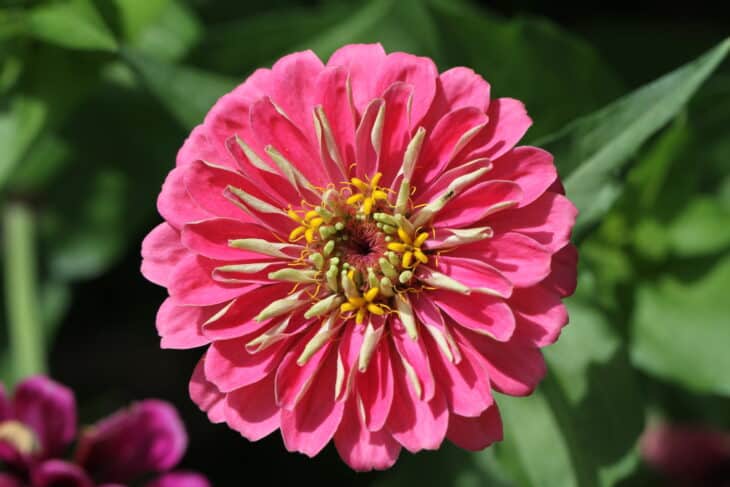
Zinnias are easy-to-grow annuals that produce abundant, colorful blooms in nearly every color except blue. They’re among the most reliable and long-blooming nectar sources for butterflies, flowering from summer until frost.
Why butterflies love it: Zinnias offer flat or slightly rounded flower heads that provide an ideal landing platform for butterflies. The nectar is easily accessible, and the long bloom season ensures a consistent food source. Swallowtails, monarchs, painted ladies, and many other species visit zinnias regularly.
Growing requirements: Zinnias thrive in full sun and well-drained soil. They’re warm-season annuals grown in all zones. Plant from seed or transplants after the last frost. Heights range from 6 inches to 4 feet, depending on variety. Deadhead regularly to encourage continuous blooming. Zinnias tolerate heat and humidity but may develop powdery mildew in crowded or shaded conditions; provide good air circulation.
Best use: Plant zinnias in mass plantings, cutting gardens, or containers. Choose taller varieties like ‘Benary’s Giant’ or ‘State Fair’ for maximum butterfly impact. Succession plant every few weeks for continuous bloom.
10. Oregano (Origanum vulgare)

While oregano is best known as a culinary herb, its small clusters of tubular flowers are highly attractive to butterflies and other pollinators. Allowing oregano to flower transforms it from a kitchen staple into a valuable butterfly nectar source.
Why butterflies love it: The nectar-rich flowers bloom from midsummer through fall, providing food when many spring bloomers have finished. Butterflies appreciate the small, accessible flowers, and the plant’s strong scent helps attract them from a distance.
Growing requirements: Oregano prefers full sun and well-drained soil. It’s a hardy perennial in zones 4–10, growing 1–2 feet tall. Greek oregano (Origanum vulgare subsp. hirtum) and common oregano both attract butterflies when allowed to flower. Cut back after flowering to encourage a second flush of blooms. Oregano spreads slowly and tolerates dry conditions.
Best use: Plant oregano in herb gardens, mixed borders, or containers. Allow at least some plants to flower rather than harvesting all the foliage—you’ll enjoy both culinary and butterfly benefits.
11. Sage (Salvia spp.)

Salvias, commonly called sages, are a diverse group of plants ranging from annual bedding plants to woody perennials. Their tubular flowers are magnets for butterflies, hummingbirds, and bees, and many species bloom for months.
Why butterflies love it: Sage flowers produce abundant nectar in colors that attract butterflies, including purple, blue, red, pink, and white. The tubular flower shape is ideal for long-tongued butterflies like swallowtails. Many salvias bloom continuously or repeatedly throughout the growing season.
Growing requirements: Growing requirements vary by species. Most salvias prefer full sun and well-drained soil. Perennial salvias like meadow sage (Salvia nemorosa) and autumn sage (Salvia greggii) are hardy in zones 4–9, depending on variety. Annual salvias like Salvia farinacea and scarlet sage (Salvia splendens) provide season-long color in all zones. Heights range from 1 to 4 feet. Deadhead to prolong blooming.
Best use: Plant salvias in mixed borders, containers, or mass plantings. Their upright flower spikes add vertical interest, and their long bloom season ensures consistent butterfly activity throughout summer and fall.
12. Native Carrot Family Flowers (Apiaceae)
Read our guide to Queen Anne's Lace

Plants in the carrot family (Apiaceae) produce flat-topped clusters of small flowers that are highly attractive to butterflies. While Queen Anne’s lace (Daucus carota) is sometimes recommended, it’s invasive in many regions and should be avoided. Instead, choose native alternatives that provide the same benefits without the ecological drawbacks.
Why butterflies love it: The umbrella-shaped flower clusters provide easy landing platforms and abundant nectar. Many species are also larval host plants for swallowtail butterflies, including black swallowtails and anise swallowtails.
Growing requirements: Native options include golden Alexanders (Zizia aurea), which grows in zones 3–8 and prefers moist to average soil in full sun to part shade, reaching 1–3 feet tall. Rattlesnake master (Eryngium yuccifolium) is a unique native for zones 3–8 with spiny, globe-shaped flowers and excellent drought tolerance. Both bloom in late spring to early summer.
Regional caution: Queen Anne’s lace is classified as invasive or noxious in many U.S. states and Canadian provinces. It spreads aggressively, displacing native plants. If you already have Queen Anne’s lace, remove seed heads before they mature to prevent further spread.
Best use: Plant native carrot family species in prairie gardens, meadow plantings, or naturalized areas. Their late spring bloom complements summer-blooming butterfly plants.
Creating a Complete Butterfly Garden
To maximize butterfly activity, include both nectar plants for adult butterflies and host plants for caterpillars. Plant in groups rather than single specimens—butterflies are more attracted to large drifts of color. Choose plants that bloom at different times to provide nectar from spring through fall, with special attention to late-season sources that support migrating species.
Avoid using pesticides, including products labeled “organic,” as they can harm butterflies and caterpillars. Provide shallow water sources like birdbaths with stones for landing spots. Leave some areas of bare ground for puddling, where butterflies gather minerals. Include flat stones in sunny spots where butterflies can bask and warm their wings.
Finally, embrace a little messiness. Leave some leaf litter and plant stems standing through winter to provide overwintering habitat for chrysalises and eggs. When you see caterpillars eating your plants, celebrate—you’ve created a thriving butterfly garden.