Plants
16 Plants That Look Like Feathers
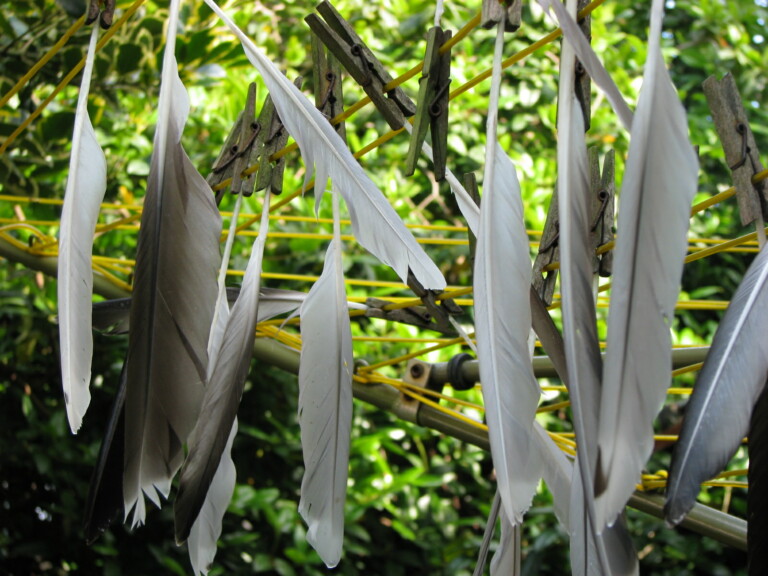
The plants that look most like feathers are ornamental grasses with soft, plume-like flower heads, such as feather reed grass, maiden grass, fountain grass, pink muhly

Some trees or plants are beautiful, but they may have some undesirable characteristics such as toxicity. In this case, you may want to look for an alternative plant or tree that looks similar to the one you love.
Plants
The plants that look most like feathers are ornamental grasses with soft, plume-like flower heads, such as feather reed grass, maiden grass, fountain grass, pink muhly

Plants
Most plants that look like parsley are its relatives in the carrot family (Apiaceae), and several of them are among the most poisonous plants in North

Plants
Most plants that look like hollyhocks are its relatives in the mallow family (Malvaceae): the mallows (Malva), tree mallow, marshmallow, checkerbloom, wild hollyhock, rose of Sharon,

Plants
The plant most often mistaken for a strawberry is mock strawberry, a creeping weed with the same three-part leaves and runners and small red berries that
Plants
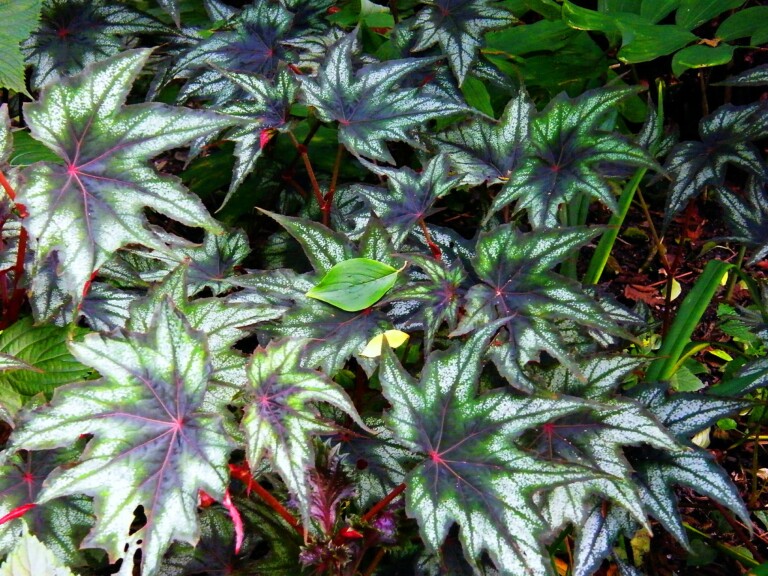
The plants most often mistaken for begonias fall into two groups. For patterned leaves like rex and cane begonias, look at coleus, caladium, coral bells, polka
Plants
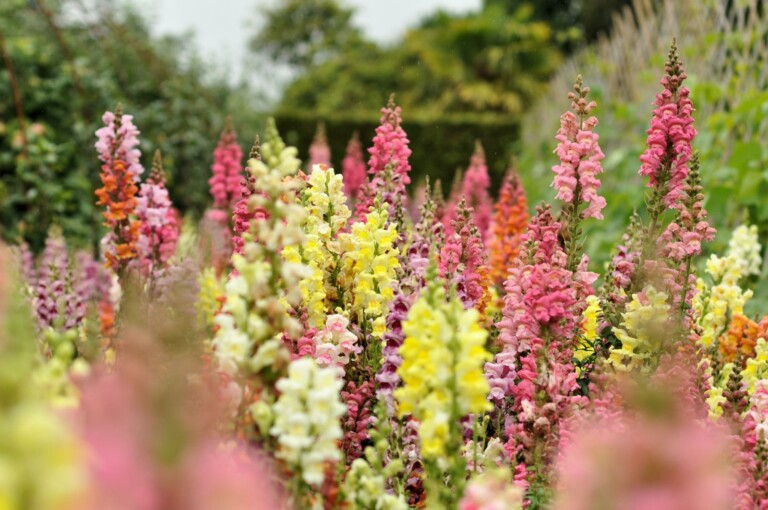
The plants that look most like snapdragons are their relatives in the plantain family: angelonia (summer snapdragon), toadflax and spurred snapdragon (Linaria), climbing snapdragon, penstemon and

Plants
The plants most often mistaken for salvia are its relatives in the mint family: catmint, catnip, anise hyssop, hyssop, betony, bugleweed, lamb’s ear and basil, all

Plants
The plants that look most like holly are false holly (holly osmanthus), Oregon grape and its relatives leatherleaf mahonia, agarita and Texas barberry, holm oak, hollyleaf

Plants
The plants that look most like impatiens, and that do the same job in a shady bed, are New Guinea impatiens and SunPatiens, wax begonias, torenia,

Plants
Some plants look like butterflies because of their leaves, and some because of their flowers. The leaf group is led by the red butterfly wing plant,